
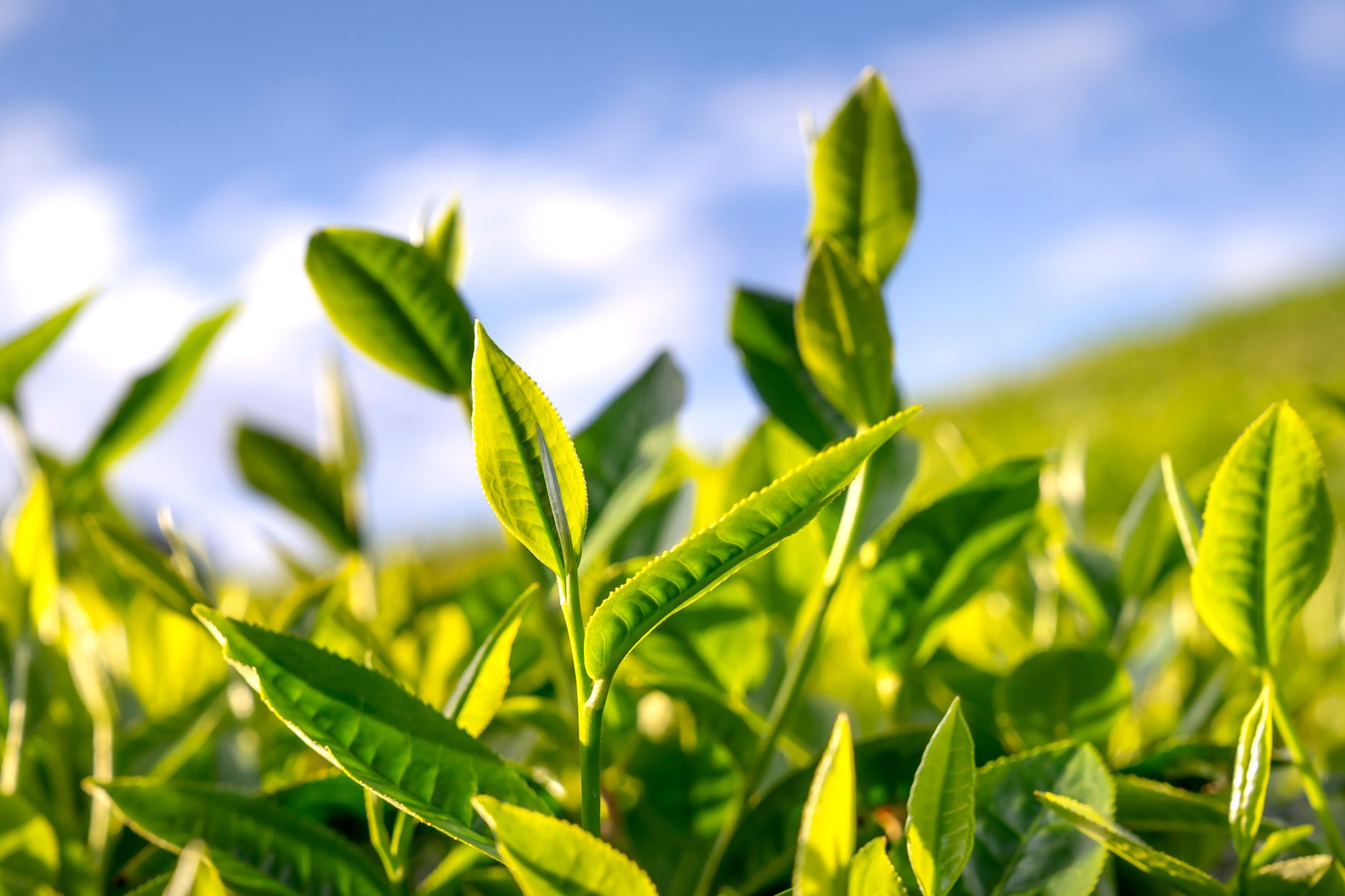
Green tea, with its light flavor and refreshing qualities, has become a staple in many diets around the world. Beyond its pleasant taste, green tea is known for its unique health benefits, one of which is due to the presence of L-theanine, an amino acid linked to various physiological responses. Understanding how much L-theanine is in green tea can help you appreciate its calming effects and make informed choices when selecting your favorite brew.
L-theanine is primarily found in the leaves of the Camellia sinensis plant, from which all tea, including green tea, is derived. This article explores the amount of L-theanine in green tea, the factors that influence its concentration, and how you can maximize its benefits while enjoying this delightful beverage.
How Much L-Theanine Is In Green Tea?
The amount of L-theanine in green tea varies widely, ranging from approximately 5 to 60 mg per cup (250 ml) depending on several factors including the type of tea, its preparation method, and other variables. Generally, the average concentration ranges from 20 to 30 mg per cup.
Factors That Influence L-Theanine Levels in Green Tea
Several factors can affect the concentration of L-theanine in green tea. Understanding these factors can help you choose the most beneficial tea for your needs.
1. Tea Variety
The variety of green tea plays a significant role in determining the L-theanine content. For instance:
- Gyokuro and Kabusecha: These shade-grown teas typically have higher L-theanine levels.
- Sencha: The most common green tea, has moderate L-theanine levels depending on the cultivation and processing techniques.
- Matcha: This powdered green tea is known for its higher L-theanine concentration due to the whole leaf consumption.
2. Cultivation Conditions
Environmental factors such as sunlight exposure, soil type, and altitude can influence L-theanine production. Shade-grown teas often have higher L-theanine levels because the plants engage in a different metabolic process when deprived of direct sunlight.
3. Harvesting and Processing Techniques
The time of harvest and how the leaves are processed also impacts L-theanine levels. Younger leaves and buds generally contain more L-theanine compared to older leaves, while meticulous processing methods can preserve a higher concentration.
4. Brewing Time and Temperature
The method of brewing green tea, including water temperature and steeping time, can greatly affect the extraction of L-theanine. Higher temperatures and longer steeping times may reduce L-theanine extraction, whereas lower temperatures (around 160-175°F or 70-80°C) are recommended for optimal results.
How to Brew Green Tea for Maximum L-Theanine
Brewing green tea properly is essential to enhance its L-theanine concentration. Here are some steps to ensure you extract the most from your tea:
- Select the Right Tea: Choose high-quality green tea, preferably one rich in L-theanine such as Gyokuro or Matcha.
- Measure the Tea: Typically, use one teaspoon (about 2 grams) of tea leaves per cup (250 ml) of water.
- Heat the Water: Use water at around 160-175°F (70-80°C); avoid boiling water as it may damage delicate compounds.
- Steep: Allow the tea to steep for 2 to 3 minutes. Adjust the time to your taste preference, but avoid steeping for longer than 5 minutes.
- Taste: Experiment with different brewing times and temperatures to find the perfect flavor balance without over-extraction.
Health Benefits of L-Theanine
L-theanine is known for its numerous potential health benefits, particularly its calming effects. While individual experiences may vary, here are some commonly reported advantages associated with L-theanine in green tea:
- Stress Reduction: L-theanine can promote relaxation without drowsiness, making it ideal for reducing stress in daily life.
- Improved Focus: Many drinkers report enhanced concentration and alertness, which may aid in productivity while remaining calm.
- Better Sleep Quality: Some studies suggest that L-theanine may improve sleep quality by promoting relaxation.
- Support for Immune Function: Antioxidant properties found in green tea may bolster the immune system.
Common Misconceptions about L-Theanine
As the popularity of L-theanine grows, various misconceptions have surfaced. Here are a few clarifications to help distinguish facts from myths:
- Myth: All teas have equal levels of L-theanine. Reality: The L-theanine content varies significantly across different types of green tea.
- Myth: L-theanine will make you sleepy. Reality: L-theanine typically promotes relaxation without causing drowsiness.
Practical Tips for Enjoying L-Theanine in Green Tea
Enjoying the calm and alert feeling from L-theanine can be made even more delightful with these practical tips:
- Pair with Magnesium: Incorporating magnesium-rich foods can enhance the relaxation effects of L-theanine.
- Mindful Drinking: Take moments to enjoy your tea mindfully. Savor its flavors and aromas to enhance the overall experience.
- Experiment with Blends: Mixing green tea with other calming herbs such as chamomile or lemon balm can create a soothing tea blend.
Storage Tips for Your Green Tea
To maintain the quality and L-theanine concentration of your green tea, proper storage is crucial:
- Keep it Cool: Store green tea in a cool, dry place away from direct sunlight.
- Airtight Containers: Use airtight containers to prevent moisture absorption and keep the tea fresh.
- Limit Air Exposure: Reseal packaging promptly after use to limit exposure to oxygen.
Conclusion
Understanding how much L-theanine is in green tea enables you to choose the right type for your needs, whether you’re seeking relaxation, focus, or a gentle boost in your daily life. Brewing your tea correctly can enhance its calming properties, offering you the chance to enjoy its numerous benefits fully. Make green tea a part of your wellness routine and explore its potential to enrich your daily moments.
If you’re interested in further exploring recipes and guides, consider checking out our cardamom tea recipe or refreshing green tea cocktail recipe for a unique twist on enjoying tea.