
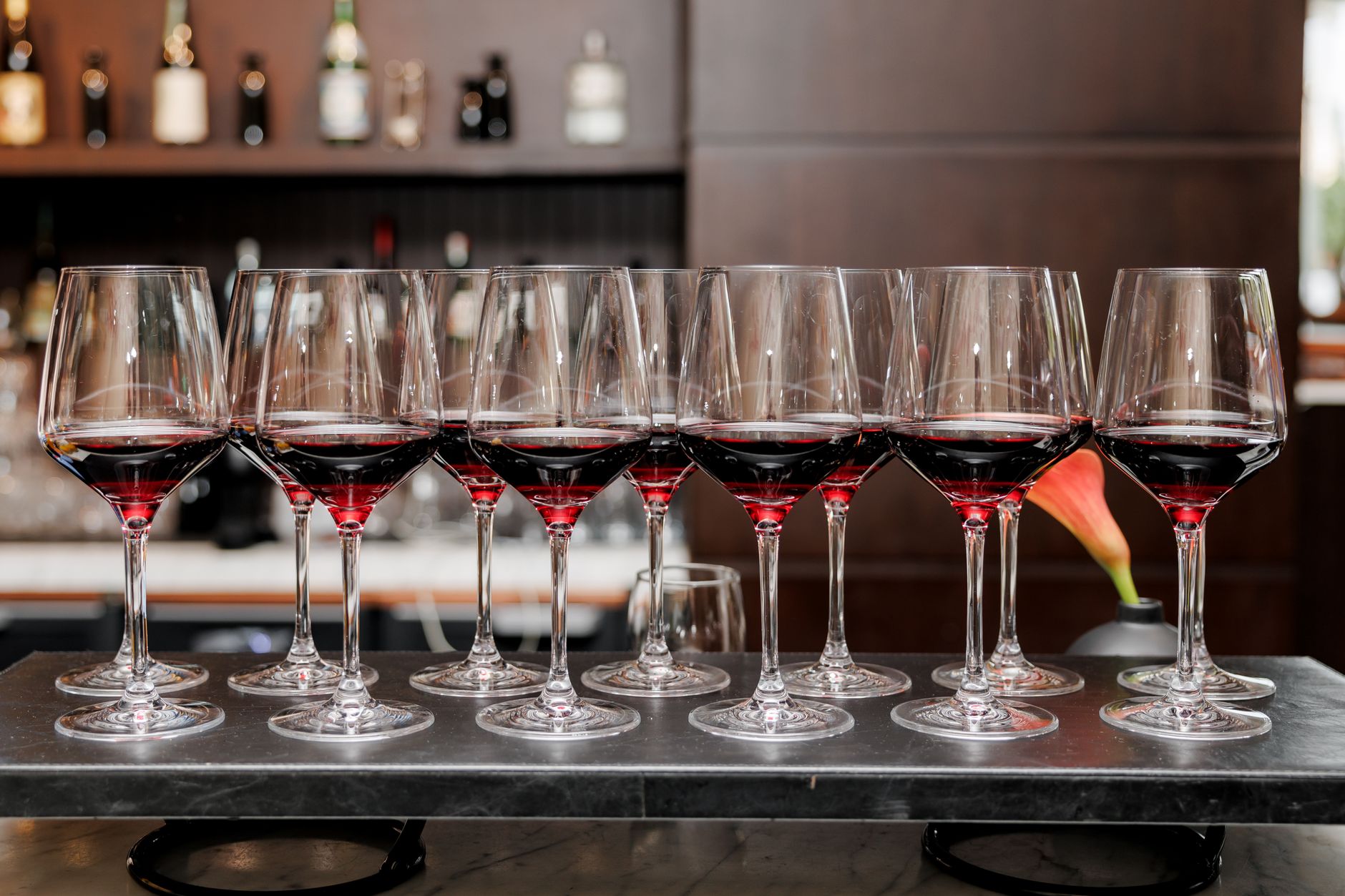
Understanding serving sizes is essential when it comes to enjoying wine responsibly and appreciating its various flavors. One serving of wine typically amounts to 5 ounces (approximately 150 ml). This measurement is widely accepted, but it’s also beneficial to explore the context of wine serving sizes, their effects on consumption, and the unique qualities each variety brings to the table.
This article delves into what constitutes one serving of wine, including benefits, uses, and key facts that will enhance your understanding and enjoyment of wine.
What Is One Serving Of Wine?
One serving of wine is generally defined as 5 ounces (150 ml). This is a standardized measurement that helps both consumers and producers maintain a consistent understanding of alcohol consumption. Typically, this quantity corresponds to a standard glass of wine, whether red, white, or sparkling.
Alcohol Content and Serving Size
Wine comes in various styles, each with differing alcohol content. The average alcohol by volume (ABV) for most wines ranges from 9% to 15%. Understanding how this relates to serving sizes can impact both flavor appreciation and safety.
Understanding Alcohol by Volume (ABV)
ABV is a standard measure that indicates the percentage of alcohol (ethanol) in a beverage. For example, a wine with an ABV of 12% means that 12% of the liquid is pure alcohol. Here’s how ABV relates to servings:
- 5 ounces of a wine with 12% ABV contains about 0.6 ounces of pure alcohol.
- This amount of alcohol is similar to what you’d find in approximately 1.5 ounces of distilled spirits or a standard beer (12 ounces).
Why Serve Wine in Standard Portions?
Serving wine in standard portions promotes responsible consumption and allows consumers to gauge their alcohol intake accurately. Not only does this help with enjoyment, but it also assists in moderating alcohol effects, ensuring a safe and pleasant experience. Here are several reasons why standard servings are important:
- Health Awareness: Knowing exactly how much alcohol is in your drink helps in monitoring health, especially for individuals who are mindful of their alcohol intake.
- Flavor Concentration: A 5-ounce pour allows for the full expression of the wine’s aroma and flavor. This quantity ensures that the glass is not too full to release the wine’s bouquet effectively.
- Social Norms: Standard serving sizes help maintain social expectations and practices during gatherings, dinner parties, or events.
The Benefits of Drinking Wine in Moderation
When enjoyed responsibly, wine can offer several benefits. These benefits often stem from certain compounds found in wine, particularly red varieties. Here are some noteworthy points:
Heart Health
Moderate red wine consumption has been associated with heart health benefits due to its higher levels of antioxidants, such as resveratrol. These compounds can help improve heart function and reduce LDL cholesterol levels.
Cognitive Function
Studies suggest that moderate wine consumption could potentially lower the risk of cognitive decline and dementia in older adults, possibly due to the brain-protective properties of certain polyphenols present in wine.
Social Enjoyment
Wine often plays a significant role in social gatherings. Sharing a bottle with friends or family can enhance connections and create memorable experiences.
How to Measure a Wine Serving
Measuring one serving of wine accurately can enhance enjoyment and showcase the wine’s qualities. Here are simple methods to ensure you pour a standard serving:
- Use a Jigger: A jigger, commonly used in bartending, is a measuring tool that can help ensure consistent 5-ounce pours.
- Check Your Glass: Some wine glasses are labeled with serving sizes. If not, using a measuring cup can help gauge amounts when pouring.
- Invest in a Wine Pourer: Pourers designed for wine can help control the amount poured, ensuring you maintain the 5-ounce standard.
Common Types of Wine and Their Characteristics
Different types of wine have unique characteristics in flavor profile, texture, and aroma. Here’s a comparison of popular wine types to better appreciate their distinct qualities. Each type is typically enjoyed in a 5-ounce serving.
Red Wine
Red wines are made from dark-colored grape varieties. The skin of the grape ferments with the juice, imparting deep colors and rich tannins.
- Common Varieties: Cabernet Sauvignon, Merlot, Pinot Noir.
- Flavor Profile: Often rich, fruity, and spicy, red wines can also carry notes of oak, herbs, and sometimes earthy undertones.
- Best Served With: Hearty dishes, red meats, and rich pastas.
White Wine
White wines are made from green or yellowish grapes, where the skins are removed before fermentation, leading to lighter colors.
- Common Varieties: Chardonnay, Sauvignon Blanc, Riesling.
- Flavor Profile: Typically fresher and lighter, white wines can exhibit citrus, floral, and herbal notes.
- Best Served With: Lighter dishes, seafood, and poultry.
Rosé Wine
Rosé wines are made from red grapes whose skins are removed early in the fermentation process, yielding a light pink color.
- Common Varieties: Grenache Rosé, Pinot Noir Rosé.
- Flavor Profile: Usually bright and fruity with notes of strawberry and watermelon.
- Best Served With: A wide range of foods, including charcuterie, salads, and grilled meats.
Sparkling Wine
Sparkling wines are known for their bubbles, which are created during fermentation. The most famous sparkling wine is Champagne.
- Common Varieties: Champagne, Prosecco, Cava.
- Flavor Profile: Typically refreshing with a crisp acidity, flavors can range from floral to fruity.
- Best Served With: Celebratory occasions, appetizers, and salty snacks.
Wine Tasting: Enhancing Your Experience
When consuming wine, appreciating its complexity can enhance the experience significantly. Here are a few tips to guide your tasting:
- Observe: Look at the wine in your glass. Notice its color, clarity, and viscosity.
- Swirl: Gently swirl the wine to oxygenate it. This releases more aromatic compounds.
- Smell: Take a moment to inhale the aromas. Note any distinct scents like fruit, floral notes, or spices.
- Taste: Take a sip and allow the wine to coat your palate. Notice the flavors you detect and how they evolve.
- Finish: Pay attention to the aftertaste. How long do flavors linger? Is it pleasant?
Serving Wine: Temperature and Glassware
Serving temperature and glassware can significantly influence your wine-drinking experience. Here are essential tips for serving wine correctly:
Ideal Temperatures
The temperature at which wine is served can greatly affect its taste:
- Red Wine: Best served slightly below room temperature (around 60-65°F or 15-18°C).
- White Wine: Should typically be served chilled (around 45-50°F or 7-10°C).
- Sparkling Wine: Generally served well-chilled (around 40-45°F or 4-7°C).
Glassware Selection
Using the right glass can enhance the wine’s qualities:
- Red Wine Glass: Larger bowl to allow for aeration and enhanced aromas.
- White Wine Glass: Smaller bowl helps maintain the cooler temperature.
- Sparkling Wine Flute: Long and narrow to showcase the bubbles and direct aromas to the nose.
Common Mistakes When Serving Wine
Even the most experienced wine drinkers can make errors in serving wine. Here are common mistakes to avoid:
- Poor Temperature Control: Serving wine too cold or too warm can inhibit its flavor.
- Skipping Aeration: Neglecting to let a red wine breathe can lead to missed flavors and aromas.
- Using Wrong Glassware: Inappropriate glassware can alter the drinking experience.
Conclusion and Practical Next Steps
Understanding what one serving of wine is—5 ounces—and appreciating its nuances can deepen your enjoyment of this timeless beverage. By serving wine correctly, you elevate the flavors and aromas, creating a memorable experience with each glass.
As you continue to explore the wonderful world of wine, try out delightful floral flavors from a winter sangria recipe or refreshingly zesty tastes with a recipe for limoncello spritz that pairs well with various wines.