
When planning a gathering, party, or celebration, choosing the right amount of beer can be a bit of a puzzle. Understanding the number of cans of beer contained in a keg helps ensure your guests have plenty to enjoy without over-purchasing. This guide will walk you through everything you need to know about kegs and beers, including conversions, types of kegs, and tips for serving.
Beer kegs come in various sizes, and knowing how many cans or bottles can be filled from them is crucial for any event planner or party host. Not only will this information help you plan and budget effectively, but it will also ensure a seamless service during your gathering.
How Many Cans of Beer Are in a Keg?
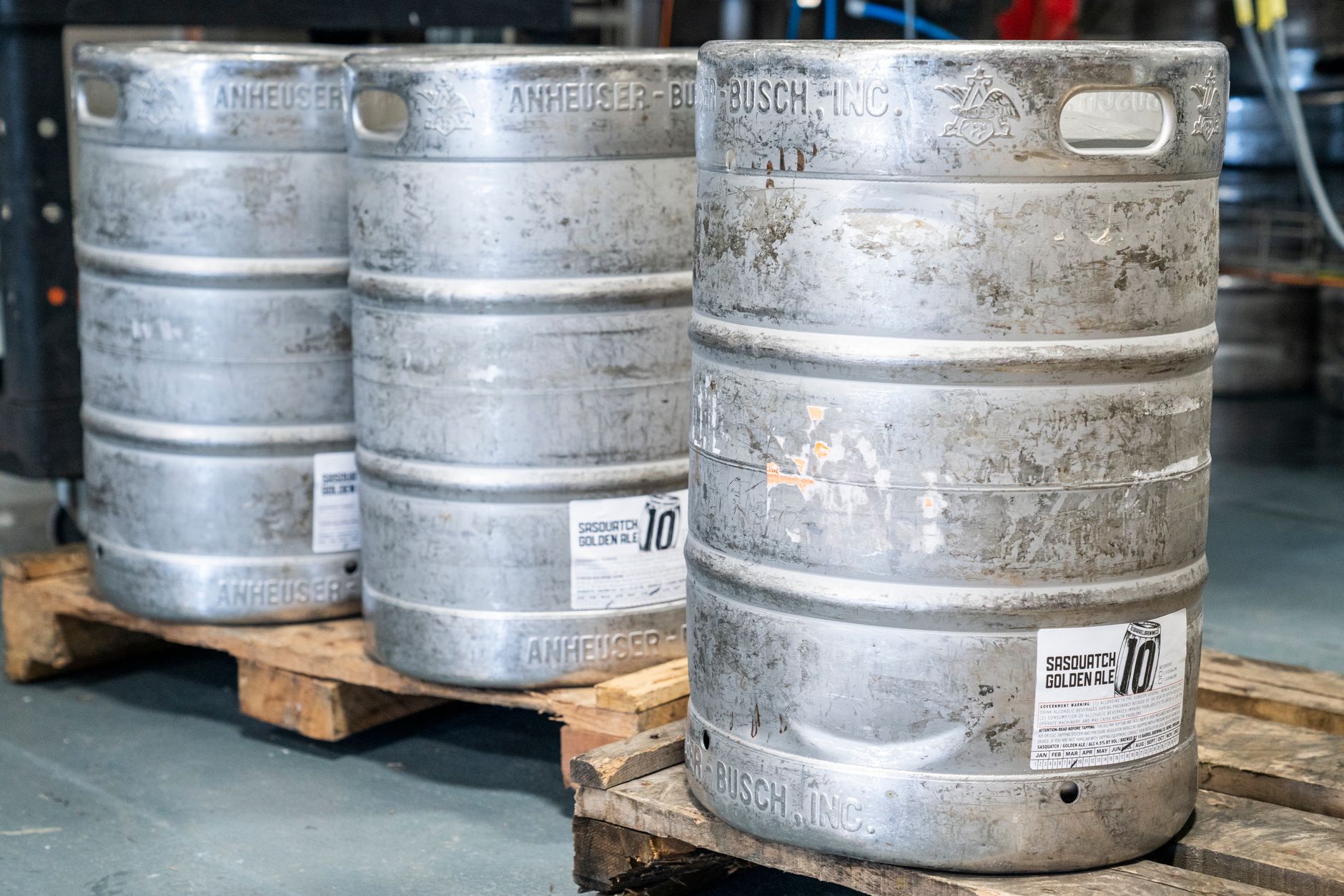
Typically, a standard half-barrel keg holds about 165 12-ounce servings of beer, which translates to approximately 13.5 cases of beer (24 cans each). Smaller kegs, like quarter-barrels and sixth-barrels, contain fewer servings, impacting how many cans of beer they equate to. Understanding these sizes will help you choose the right keg for your needs.
Understanding Keg Sizes and Their Capacities
Beer kegs come in several sizes, each suitable for different needs. Below is a detailed breakdown of the most common keg sizes:
-
Full-Size Keg (Half Barrel)
- Volume: 15.5 gallons
- Servings: Approximately 165 12-ounce servings
- Cans Equivalent: 13.5 cases (24-pack)
-
Quarter Keg (Pony Keg)
- Volume: 7.75 gallons
- Servings: Approximately 82 12-ounce servings
- Cans Equivalent: 6.8 cases (24-pack)
-
Sixth Keg (Sixtel)
- Volume: 5.16 gallons
- Servings: Approximately 55 12-ounce servings
- Cans Equivalent: 4.6 cases (24-pack)
-
Mini Keg
- Volume: 1.32 gallons
- Servings: Approximately 14 12-ounce servings
- Cans Equivalent: 1.2 cases (24-pack)
Calculating the Right Amount of Beer for Your Event
Here are some guidelines to help you calculate the right amount of beer needed for various types of events. Consider the length of the event, the number of guests, and any other beverages being served.
1. Casual Gatherings
If you are hosting a casual get-together or family BBQ, plan on about two drinks per guest for the first hour and one drink per guest for subsequent hours.
2. Parties or Celebrations
For larger parties, aim for about three drinks per person for the first hour, then two drinks per person for each additional hour.
3. Weddings or Formal Events
At weddings, catering services typically estimate 1.5 drinks per hour per guest, often breaking this down into beer, wine, and cocktails. Assess the preferences of your guests for an accurate estimate.
Choosing the Right Keg
Once you’ve determined the necessary number of servings, consider which size keg or kegs will best suit your needs. Here are some factors to consider:
- Number of Guests: The more guests you have, the larger the keg or multiple kegs you’ll need.
- Type of Beer: Popularity of the beer—it’s wise to select a variety of styles or stick with crowd-pleasers.
- Chilling Method: Ensure you have a way to keep your keg cold, such as a keg party cooler or a refrigerator.
How to Tap a Keg
Once you’ve selected the perfect keg, you’ll want to know how to tap it correctly for serving. Here’s a simple guide:
- Ensure the keg is cold and properly stored. Aim for a temperature between 36°F and 38°F for optimal serve.
- Remove the plastic cover from the top of the keg.
- Align the coupler with the valve on the keg and push down while rotating it clockwise until it locks in place.
- Pull the tap handle out and then push it back in to start pouring.
- Serve and enjoy responsibly!
Serving Beer from a Keg
When serving beer from a keg, proper technique is crucial to prevent excessive foam and ensure an enjoyable drinking experience. Follow these tips:
- Use clean, cold glassware to minimize foam.
- Tilt the glass at a 45-degree angle while pouring.
- As the glass fills, gradually straighten it to create a proper head of about one inch at the top of the glass.
Common Mistakes to Avoid
To ensure a successful keg experience, keep these pitfalls in mind:
- Not Checking Temperature: Ensure your keg is stored cold; warm beer leads to excessive foaming.
- Over-Serving: Keep an eye on guests to prevent overconsumption and ensure everyone drinks responsibly.
- Not Having Enough Supplies: Stock up on cups, napkins, and towels to handle spills or excessive froth.
Storing Leftover Beer
If you’re faced with leftover beer after your event, here are some tips on how to store it:
- Kegs should be drained before removal; do not store a tapped keg for more than 2-3 days as the beer can go flat.
- Consider transferring unused beer to smaller kegs if you cannot finish the contents of a larger keg.
- Store unopened kegs in a cool, dark place away from direct sunlight to prolong the freshness of the beer.
Variations for Serving and Combining Beer with Food
Pairing beer with food can elevate your dining experience. Consider the following combinations:
- Barbecue: Light lagers or wheat beers complement grilled meats.
- Spicy Dishes: Lighter ales can tame spicy flavors effectively.
- Rich Foods: Dark ales or stouts work well with heavy dishes like beef or rich desserts.
Popular Beer Styles Explained
Familiarizing yourself with different beer styles can help shape your selection. Here are some popular types:
- Lager: A light, crisp beer, perfect for casual settings.
- IPA (India Pale Ale): Known for its bitterness and hoppy flavor, making it a favorite among craft beer enthusiasts.
- Stout: Rich and dark beers that often carry chocolate or coffee undertones.
- Wheat Beer: Light and refreshing; great for summer gatherings.
Conclusion
Having a clear understanding of how many cans are in a keg not only aids in planning and purchasing for your events but also enhances the overall experience for you and your guests. Always remember to factor in guest preferences and serving methods as you make your choices.
As you prepare for your next gathering, consider testing out a refreshing Rum Punch recipe or craft a tasty Kentucky Mule for your guests. These drinks will ensure everyone has a great time! Explore more ideas with our rum punch recipe and Kentucky mule guide.