
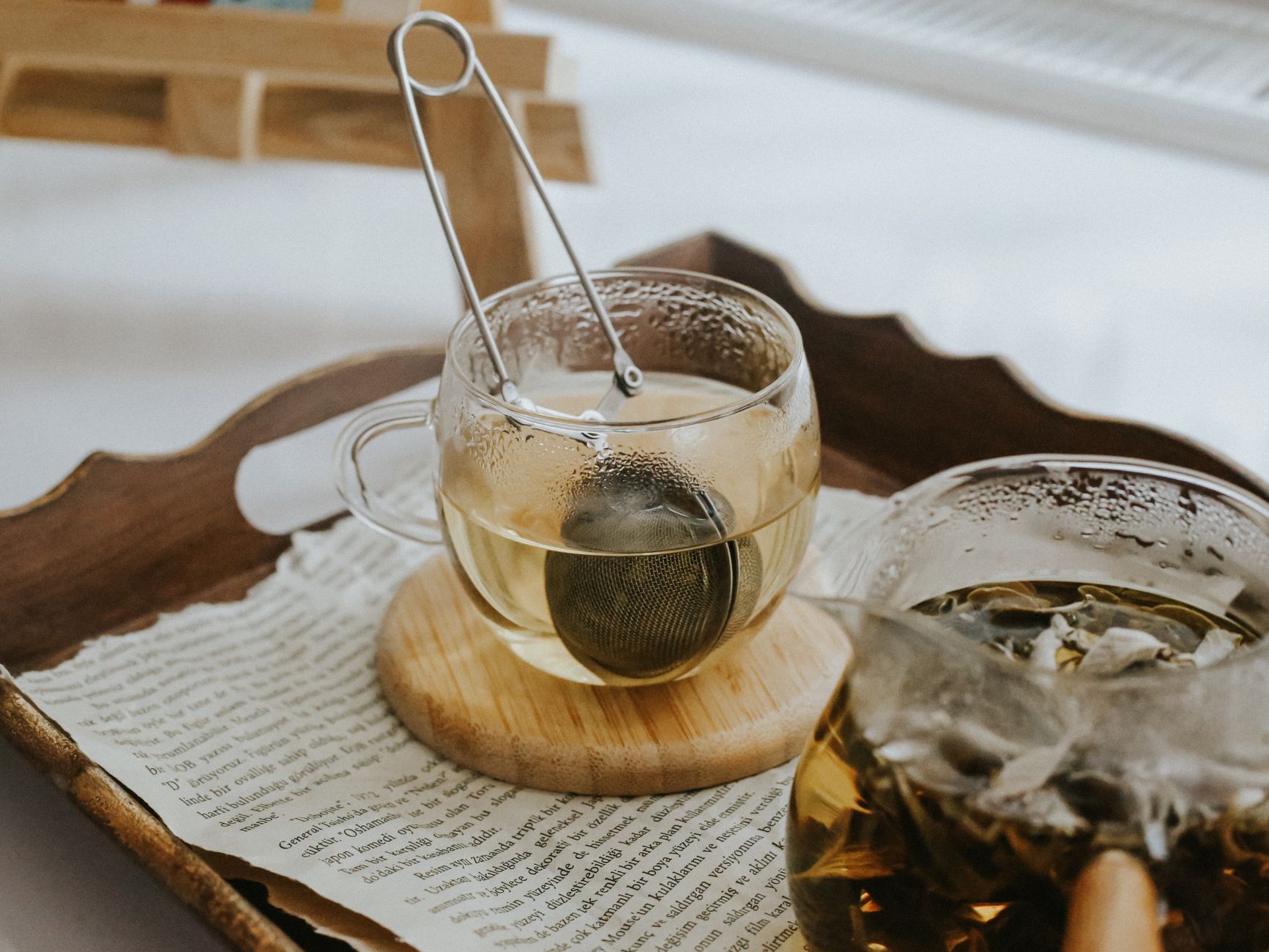
Herbal tea is a popular beverage enjoyed for its diverse flavors and potential health benefits. However, many people wonder if consuming herbal tea can lead to dehydration. This article will explore the relationship between herbal tea and hydration, aiming to clarify whether sipping on these delightful infusions leads to liquid loss or thirst. Understanding hydration is crucial for maintaining overall health, so let’s dive into the key facts, answers, and tips regarding herbal tea consumption.
Not only will this article address whether herbal tea dehydrates you, but it will also cover its benefits, types, and how to incorporate it into your diet. You may be surprised by the results.
Does Herbal Tea Dehydrate You?
Generally, herbal tea does not dehydrate you. In fact, it contributes to your daily fluid intake. While certain caffeinated beverages may have a diuretic effect, most herbal teas are caffeine-free, allowing them to hydrate rather than dehydrate. However, factors like excessive consumption or specific ingredients may influence individual hydration levels.
The Hydration Benefits of Herbal Tea
Herbal tea can be a wonderful addition to your hydration routine. Unlike sodas and sugary drinks, herbal teas are often low-calorie and can be enjoyed hot or iced. As herbal teas consist primarily of water, they can serve as a tasty way to contribute to your daily fluid needs.
How Herbal Tea Contributes to Hydration
- Caffeine-Free Options: Unlike black or green teas that contain caffeine, most herbal teas are caffeine-free, making them less likely to have a diuretic effect.
- High Water Content: Herbal teas are primarily made up of water, meaning that drinking them increments your fluid intake throughout the day.
- Flavorful Alternatives: The variety of flavors available in herbal teas can encourage more fluid consumption, providing an enjoyable experience compared to plain water.
The Types of Herbal Teas
Herbal teas come in a range of flavors and can be brewed using various ingredients. These types of herbal teas can offer unique tastes and potential health advantages, yet will generally contribute positively to hydration.
Popular Herbal Teas and Their Benefits
| Herbal Tea | Flavor Profile | Benefits |
|---|---|---|
| Chamomile | Floral, gentle | Calming effects; may aid in sleep |
| Peppermint | Refreshing, minty | Supports digestion; invigorating aroma |
| Hibiscus | Tart, fruity | Rich in antioxidants; potential blood pressure support |
| Rooibos | Sweet, nutty | High in antioxidants; caffeine-free |
| Ginger | Spicy, warm | Aids digestion; anti-inflammatory properties |
Factors That Influence Hydration
While herbal tea can contribute to hydration, several factors can influence its effectiveness. Below are some important considerations:
1. Consumption Levels
Drinking a reasonable amount of herbal tea can support hydration, but excessive consumption may lead to discomfort and potential disturbances in fluid balance. Moderation is key.
2. Ingredients
Some herbal teas may include diuretic ingredients such as dandelion or nettle, which could potentially increase urine production. It’s essential to be aware of the components of any herbal tea you consume.
3. Personal Sensitivities
Individual responses to herbal tea can vary. Sensitivity to certain herbs can lead to increased urination or discomfort, impacting hydration. Always listen to your body and adjust your consumption accordingly.
How to Enjoy Herbal Tea for Optimal Hydration
To maximize the hydration benefits of herbal tea, consider these tips:
1. Brew It Right
- Select high-quality loose leaf or bagged herbal teas.
- Follow the recommended brewing instructions for optimal flavor and benefits.
- Consider using filtered water to enhance taste.
2. Mix and Match
Blend different herbal teas to create unique flavors and enjoy various benefits. For example, a combination of chamomile and peppermint can provide a soothing yet invigorating experience.
3. Temperature Matters
Experiment with drinking herbal tea both hot and iced. This versatility can help you enjoy herbal tea throughout the year, keeping hydration appealing regardless of the weather.
4. Limit Added Sweeteners
While honey or sugar can complement some herbal teas, excessive sweeteners can detract from their health benefits. Consider reducing added sugars to keep your herbal tea as healthy as possible.
Common Myths About Herbal Tea and Dehydration
Several misconceptions surround herbal tea and its relationship with dehydration. Here are some common myths and the truths behind them:
Myth 1: Herbal Tea Will Make You Dehydrated
As discussed, herbal tea generally promotes hydration rather than dehydrates. Most herbal teas are caffeine-free and primarily composed of water, making them effective for maintaining fluid balance.
Myth 2: Caffeine in Tea Dehydrates You
While caffeinated beverages can have a slight diuretic effect, the dehydration is often overstated. Many studies show that moderate consumption of caffeinated tea does not lead to significant fluid loss.
Myth 3: All Herbal Teas Are the Same
Not all herbal teas are created equal. Each herbal tea contains different ingredients and properties, which can influence hydration levels and health benefits. Be mindful of the specific herbal tea you choose.
When to Consume Herbal Tea
Incorporating herbal tea into your daily routine offers various hydration benefits. Here are some suggested times to enjoy herbal tea for optimal results:
1. Morning Routine
Start your day with a gentle herbal tea to wake up your system. Chamomile or ginger are excellent choices for an energizing start.
2. Post-Workout
After exercising, rehydrate with a refreshing peppermint or hibiscus tea. These can help replenish fluids lost during physical activity.
3. Throughout the Day
Keep your hydration levels consistent by sipping herbal tea throughout the day, replacing sugary beverages for a healthier alternative.
4. Evening Relaxation
Enjoy a calming cup of chamomile or lemon balm before bed to promote relaxation and sleep. These teas can help wind down after a long day.
Safety Considerations and Precautions
While herbal teas are generally safe for most, it’s essential to consider the following precautions:
1. Interactions with Medications
Some herbal teas may interact with medications or medical conditions. Always consult with a healthcare professional before adding new herbal teas to your routine if you have any concerns.
2. Allergies and Sensitivities
Be mindful of any allergies or sensitivities to particular herbs. If unsure, try new herbal teas in small amounts to assess reactions.
3. Moderation is Key
Like any beverage, moderation is crucial. Overdoing herbal tea consumption can lead to digestive issues or interfere with hydration.
Essential Herbal Tea Equipment
To make the most of your herbal tea experience, consider investing in some essential equipment:
- Tea Infuser: Helps steep loose leaf teas effectively.
- Kettle: An electric kettle allows for precise temperature control.
- Teapot: A beautiful way to serve herbal tea at gatherings.
- Storage Containers: Airtight containers keep loose-leaf teas fresh.
Creating Your Own Herbal Tea Blends
Experimenting with herbs is a fun way to explore flavors and benefits. Here’s a simple guide to creating your herbal tea blends:
1. Choose Base Herbs
Select flavorful base herbs such as chamomile, hibiscus, or rooibos.
2. Add Flavor Enhancers
Incorporate flavors such as dried fruits, spices (like cinnamon), or citrus peels to elevate the tea.
3. Balance Aromatics
If desired, add a hint of aromatic herbs like mint or sage for added depth.
4. Test and Adjust
Experiment with different ratios of ingredients to find your ideal blend. Record your combinations to recreate favorites.
Storage and Shelf Life of Herbal Tea
Proper storage of herbal tea ensures its freshness and potency. Here are some guidelines:
1. Keep in Airtight Containers
Store herbal teas in opaque, airtight containers to protect against moisture and light, both of which can degrade the flavors and quality.
2. Watch for Expiration Dates
Most herbal teas have a shelf life of 1-3 years. Check expiration dates and use older teas first.
3. Store in a Cool, Dry Place
Keep your tea stored away from heat and humidity to preserve its flavors and properties.
Conclusion
Herbal tea is a delightful and hydrating beverage option that can easily fit into your daily routine. While it is generally safe and beneficial for hydration, pay attention to individual sensitivities, ingredient components, and proper usage. With a little creativity, you can explore various herbal tea flavors while enjoying their many potential health benefits.
For those interested in expanding their herbal tea repertoire, consider trying a cardamom tea recipe or a refreshing Korean barley tea recipe to explore new tastes and benefits. Enjoy your tea journey!