
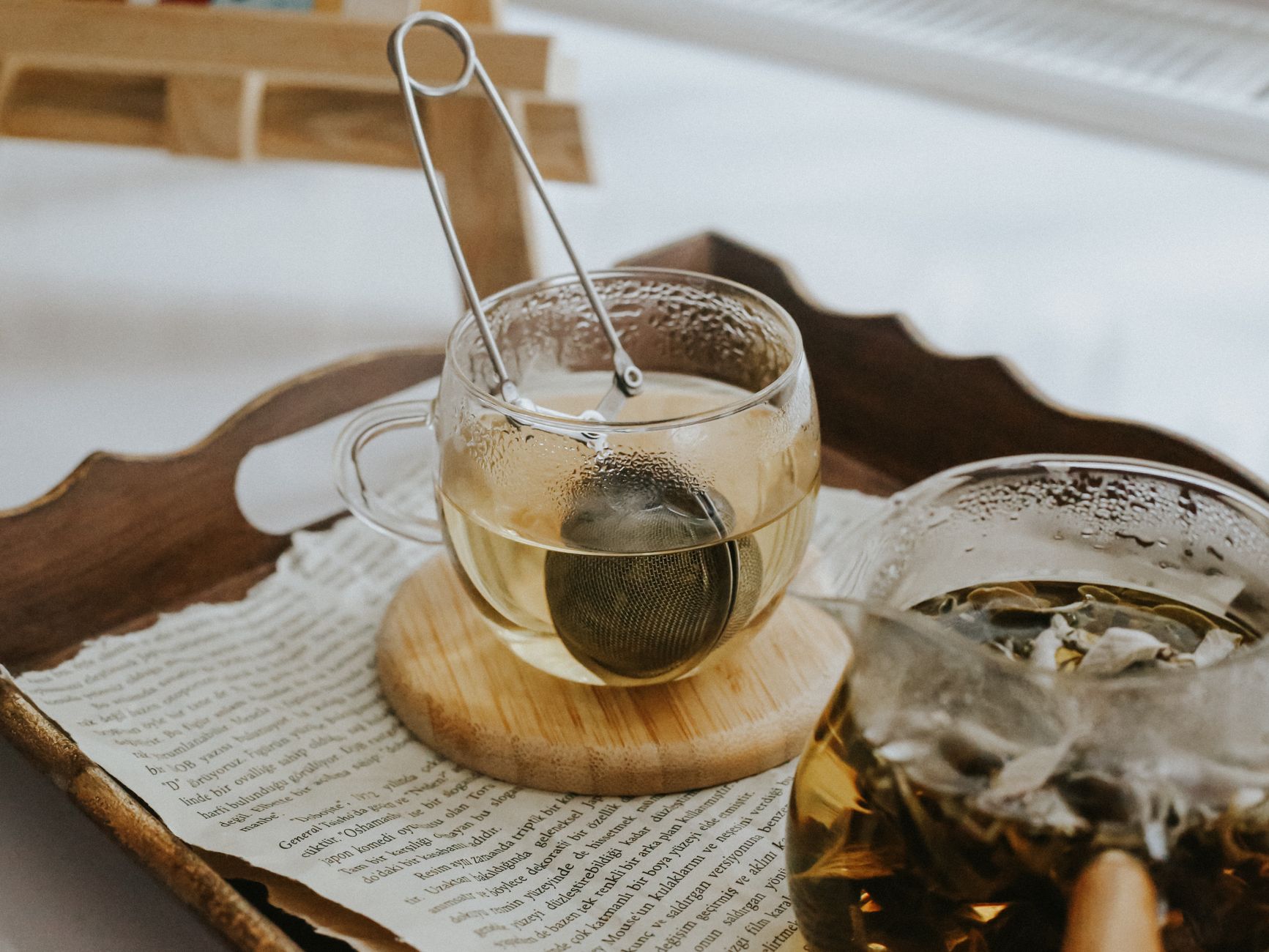
Mountain tea, often referred to as “Tsai tou” in Greece, is an herbal infusion prepared from the dried flowers, leaves, and stems of the Sideritis plant, commonly known as shepherd’s tea. This traditional beverage has gained popularity not only for its unique flavor profile but also for its potential health benefits.
With roots in the mountainous regions of the Mediterranean, mountain tea is known for its earthy and floral flavors, providing a warm and comforting experience. This guide will explore everything you need to know about mountain tea, its uses, health benefits, and how to prepare it at home.
What Is Mountain Tea?
Mountain tea is an herbal tea made from the Sideritis plant, a flowering plant native to the Mediterranean mountains. Known for its aromatic qualities and health benefits, mountain tea is prepared by steeping the dried parts of the plant in hot water. Traditionally consumed in Greece and surrounding regions, it has recently gained wider popularity due to its unique flavor and health attributes.
The Origins of Mountain Tea
Originating from high-altitude areas in Greece and the Balkans, mountain tea has been utilized for centuries, both as a beverage and as part of traditional medicine. It’s named for the mountain slopes where it thrives, often growing in rocky, well-drained soil. Historically, shepherds have been known to brew this tea for its soothing properties, claiming it aids digestion and provides warmth during colder months.
Cultural Significance
Mountain tea holds a special place in Greek culture. It is often enjoyed in a communal setting, accompanied by local sweets or pastries. The tea’s lore extends to its use in folk remedies, believed to promote well-being and vitality. This cultural heritage contributes to the tea’s respected status in many Mediterranean diets.
Flavor Profile and Aroma
Mountain tea has a distinctive earthy flavor, balanced with sweet and floral notes. The taste can vary depending on the specific species of Sideritis used, as there are over 150 variants. The aroma is often described as grassy and herbal, making it an ideal choice for those who enjoy the subtleties of natural flavors.
Health Benefits of Mountain Tea
While extensive scientific research on mountain tea is still emerging, it is traditionally credited with various health benefits, including:
- Anti-inflammatory properties: The compounds found in Sideritis may help reduce inflammation.
- Antioxidant effects: Rich in antioxidants, mountain tea is believed to combat oxidative stress.
- Digestive Aid: It is thought to alleviate gut issues and improve digestion.
- Respiratory Support: Traditionally, it has been used to soothe coughs and colds.
- Stress Relief: Drinking mountain tea can promote relaxation and alleviate stress.
How to Prepare Mountain Tea
Preparing mountain tea is a straightforward process that yields a fragrant and flavorful infusion. Here’s how you can make it at home.
Ingredients
- 1-2 teaspoons of dried mountain tea (from the Sideritis plant)
- 1 cup of water
Equipment
- Kettle or pot for boiling water
- Tea strainer or infuser
- Cup or mug
Method
- Boil water in a kettle or pot.
- Place 1-2 teaspoons of dried mountain tea into a tea strainer or infuser.
- Once the water has boiled, remove it from heat and let it cool for about 30 seconds to 1 minute. You want the water to be hot but not boiling.
- Pour the hot water over the tea leaves and allow it to steep for 5 to 10 minutes, depending on your desired strength.
- Remove the strainer or infuser. You can sweeten the tea with honey or add lemon for flavor, if desired.
- Serve warm and enjoy the soothing properties of your mountain tea!
Variations of Mountain Tea
While the traditional preparation of mountain tea involves just the dried leaves, there are several variations you can experiment with:
- Herbal Blends: Combine mountain tea with other herbs such as chamomile or mint for a unique flavor profile.
- Spiced Tea: Add spices like cinnamon or ginger for a warm, inviting aroma.
- Chilled Tea: Brew a stronger infusion and serve it cold over ice for a refreshing summer drink.
Storage and Shelf Life
To keep your dried mountain tea fresh, store it in a cool, dark place in an airtight container. Properly stored, dried mountain tea can last up to two years. However, it is best enjoyed within the first year for optimal flavor and potency.
Common Mistakes When Brewing Mountain Tea
Here are a few pitfalls to avoid when brewing mountain tea:
- Using water that is too hot: Water that is boiling can scorch the delicate leaves, leading to a bitter taste. Aim for hot rather than boiling water.
- Not steeping long enough: A shorter steeping time may lead to a weak flavor. Adjust the steeping time to your taste.
- Using too much or too little tea: The amount used can significantly impact flavor strength. Experiment with your preferred ratio.
Mountain Tea and Special Diets
Mountain tea is naturally caffeine-free and low in calories. This makes it an excellent choice for those avoiding caffeine or looking to add more herbal teas to their diet. However, always check for potential allergies or interactions with medications, especially if consuming in larger quantities for health purposes.
Pairing Mountain Tea with Food
Mountain tea’s earthy and floral flavors pair well with a variety of foods. Consider these pairing suggestions:
- Sweet pastries: The light floral notes complement honey cakes or baklava well.
- Cheese: A mild goat cheese is a lovely accompaniment to the beverage’s subtleties.
- Light soups: Enjoy with brothy soups or stews that feature fresh vegetables.
Where to Buy Mountain Tea
You can find mountain tea at health food stores, specialty tea shops, or online retailers. Look for products labeled ‘Sideritis,’ and consider choosing organic options to ensure you get the best quality.
Homemade Mountain Tea: A Simple Recipe
If you wish to grow your own mountain tea, consider planting Sideritis. While it thrives in rocky, well-draining soil, creating a thriving plant takes dedication and attention to the climate. Here’s a simple way to get started:
Ingredients
- Seeds or seedlings of Sideritis (available online or from garden centers)
- Well-draining soil
- Planter or garden space with partial sunlight
Method
- Sow seeds in late spring after the frost has passed, or transplant seedlings into the chosen location.
- Ensure the plant receives partial sunlight and is watered moderately to avoid root rot.
- Harvest leaves during the blooming period in summer and dry them for use in teas.
- Enjoy the satisfaction of brewing tea from your own homegrown ingredients!
Conclusion
Mountain tea offers a delightful blend of flavor, culture, and potential health benefits. Its simplicity in preparation makes it an accessible choice for tea lovers everywhere. Whether enjoying it on its own or as part of a meal, mountain tea can be a lovely addition to your culinary repertoire. Start exploring this traditional beverage today, and discover how it can enrich your beverage selection.
If you’re interested in other unique drinks, consider exploring the Korean barley tea recipe or learning about dandelion tea. Each offers its own distinctive flavor and health benefits to enrich your diet.