
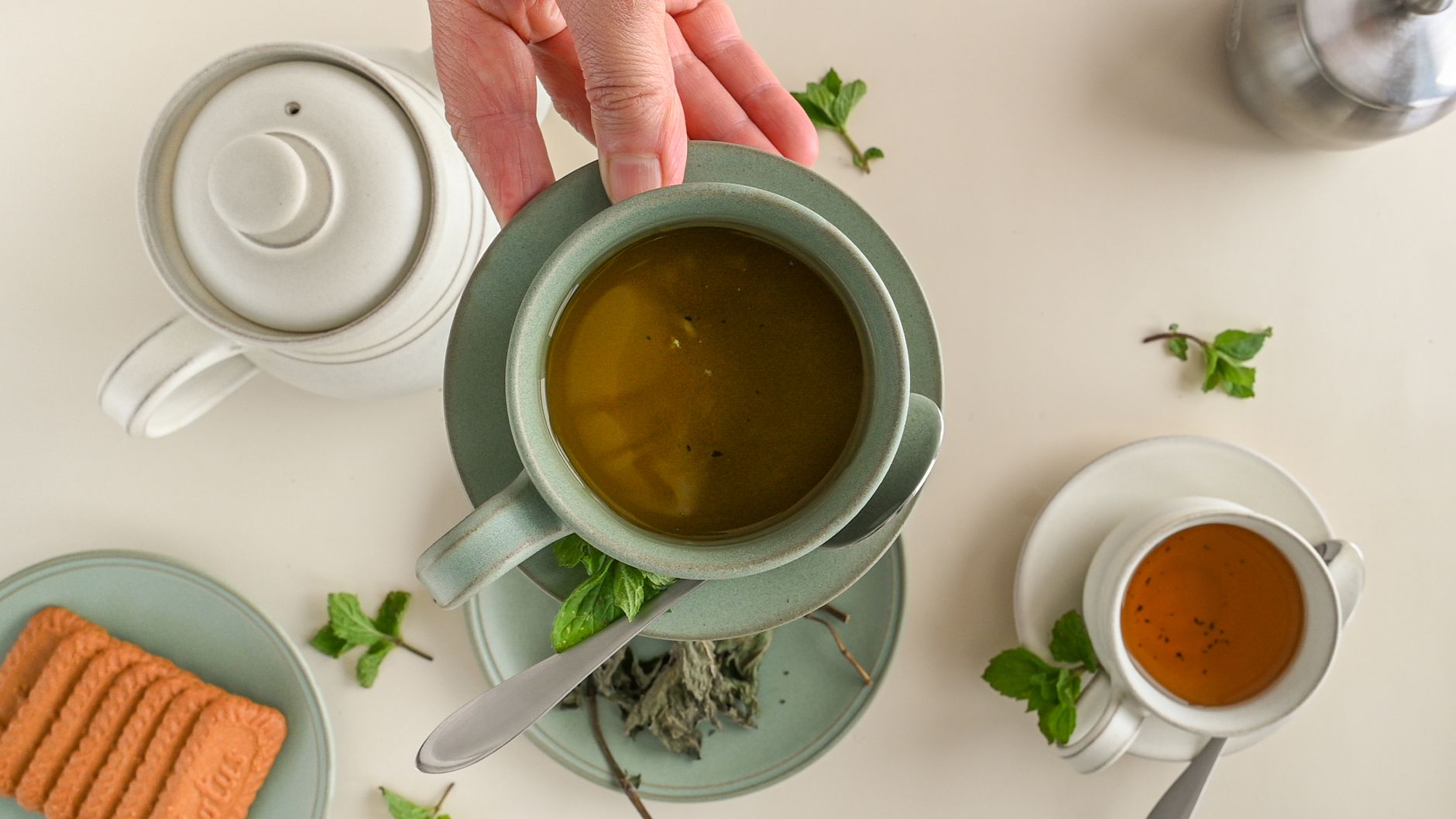
Tea is one of the most widely consumed beverages in the world, enjoyed for both its flavor and potential health benefits. When it comes to black tea versus green tea, each type boasts unique characteristics, flavors, and potential health properties. Understanding these differences can help you make a more informed decision about which tea might be better for your specific needs.
In this article, we will delve into the various aspects of black and green tea, including their origins, processing methods, health benefits, caffeine content, and flavor profiles. By the end, you should have a clearer idea of whether black or green tea might be the better choice for you.
Is Black Or Green Tea Better For You?
The answer to whether black or green tea is better depends on individual health goals and preferences. Black tea generally contains more caffeine, offers robust flavors, and may promote heart health, while green tea is rich in antioxidants, supports weight loss, and may enhance brain function. Each has its own set of benefits and flavor profiles according to personal taste and health objectives.
Understanding Black Tea
Black tea is the most oxidized (fermented) type of tea, resulting in a rich flavor and dark color. The leaves are withered, rolled, and then fully oxidized before being dried.
Flavor Profile
Black tea presents a robust and full-bodied flavor with a range of notes from malty to floral, depending on its origin. Some popular varieties include Assam, Darjeeling, and Earl Grey. Black tea is often enjoyed with milk, sugar, or lemon, enhancing its flavor.
Health Benefits
- Heart Health: Some studies have indicated that black tea may help reduce the risk of heart disease by improving cholesterol levels and blood pressure.
- Energy Boost: With a higher caffeine content than green tea, black tea can help increase alertness and focus.
- Antioxidants: Black tea is rich in flavonoids, which are antioxidants that may aid in reducing oxidative stress in the body.
- Weight Management: Drinking black tea may assist in weight control by increasing metabolism and aiding digestion.
Understanding Green Tea
Green tea is made from unoxidized leaves and is known for its delicate flavor. The leaves are harvested, quickly steamed or pan-fried to prevent oxidation, and then dried.
Flavor Profile
Green tea tends to have a more subtle taste, often described as grassy, vegetal, or umami. Popular varieties include Sencha, Matcha, and Jasmine Green Tea. Green tea is sometimes served plain or with a hint of lemon, allowing its natural flavors to shine.
Health Benefits
- Rich in Antioxidants: Green tea is packed with catechins, a type of antioxidant that can boost overall health.
- Weight Loss: Some studies suggest that the consumption of green tea may enhance fat burning and boost metabolic rate.
- Cognitive Enhancement: Green tea has been shown to improve brain function and promote long-term brain health due to its content of L-theanine and caffeine.
- Reduced Risk of Cancer: The polyphenols in green tea may help reduce the risk of certain types of cancer, although more research is needed.
Caffeine Content Comparison
Caffeine can impact how the body feels and functions. Understanding the caffeine content in black and green tea can help you choose accordingly. Generally:
- Black Tea: Contains approximately 40-70 mg of caffeine per 8 oz cup.
- Green Tea: Contains about 20-45 mg of caffeine per 8 oz cup.
Those sensitive to caffeine or those looking for a lower-caffeine option may prefer green tea, while those needing an energy boost may opt for black tea.
Which Tea Is Better for Health?
The determination of which tea is better for health can vary widely based on individual health conditions, dietary needs, and personal preferences. Here are some common considerations that might influence your choice:
Weight Management
If your goal is weight management, green tea may have an edge due to its higher concentration of catechins, which can enhance fat oxidation. However, black tea can also play a role in weight management by promoting satiety.
Heart Health
Antioxidant Benefits
Green tea is often praised for its high levels of antioxidants, specifically catechins, which may help reduce inflammation and oxidative stress. However, black tea is also rich in flavonoids, which are beneficial for overall health.
How to Prepare Black Tea
To get the best flavors and health benefits from black tea, follow these preparation steps:
- Boil Water: Use fresh, cold water and bring it to a rolling boil (around 200-212°F or 93-100°C).
- Add Tea Leaves: Use about 1 teaspoon of loose black tea or 1 tea bag per 8 oz cup.
- Steep: Pour the boiling water over the tea and steep for about 3 to 5 minutes. The longer you steep, the stronger the flavor.
- Strain and Serve: Remove the tea leaves or bag and enjoy it plain or with milk, sugar, or lemon.
How to Prepare Green Tea
For optimal results with green tea, follow these steps:
- Heat Water: Use fresh water and heat it to about 160-180°F (70-80°C). Avoid boiling water as it can scorch the leaves.
- Add Tea Leaves: Use about 1 teaspoon of loose green tea or 1 tea bag per 8 oz cup.
- Steep: Pour the heated water over the leaves and steep for 2 to 3 minutes. Adjust the time for personal taste.
- Strain and Serve: Remove the leaves or bag, then enjoy it plain or with a slice of lemon.
Common Mistakes When Brewing Tea
Here are some common mistakes to avoid when brewing black and green tea:
- Using Boiling Water: For green tea, using boiling water results in bitterness. Always heat to the appropriate temperature.
- Steeping Too Long: Oversteeping can lead to astringency, particularly in black tea.
- Using Old Tea: Ensure your tea is fresh. Stale tea in both forms loses flavor and potential health benefits.
Storage Tips for Tea
To preserve the quality and flavor of both black and green tea, consider the following storage tips:
- Airtight Containers: Use airtight containers to prevent moisture exposure.
- Cool, Dry Place: Store away from light, heat, and humidity, such as in a cupboard.
- Don’t Refrigerate: Avoid refrigeration as it can introduce moisture.
Conclusion
Both black tea and green tea offer a myriad of health benefits and can be enjoyed depending on your taste preferences and health goals. Ultimately, choosing between black and green tea boils down to personal preference, desired health benefits, and caffeine needs. So, whether you reach for a bold cup of black tea or a refreshing brew of green tea, each choice presents unique flavors and advantages, inviting you to enjoy them as part of a balanced lifestyle.
Explore more about the versatility of tea with some distinctive recipes like a vanilla matcha latte or discover the refreshing taste of Korean barley tea. Happy brewing!