
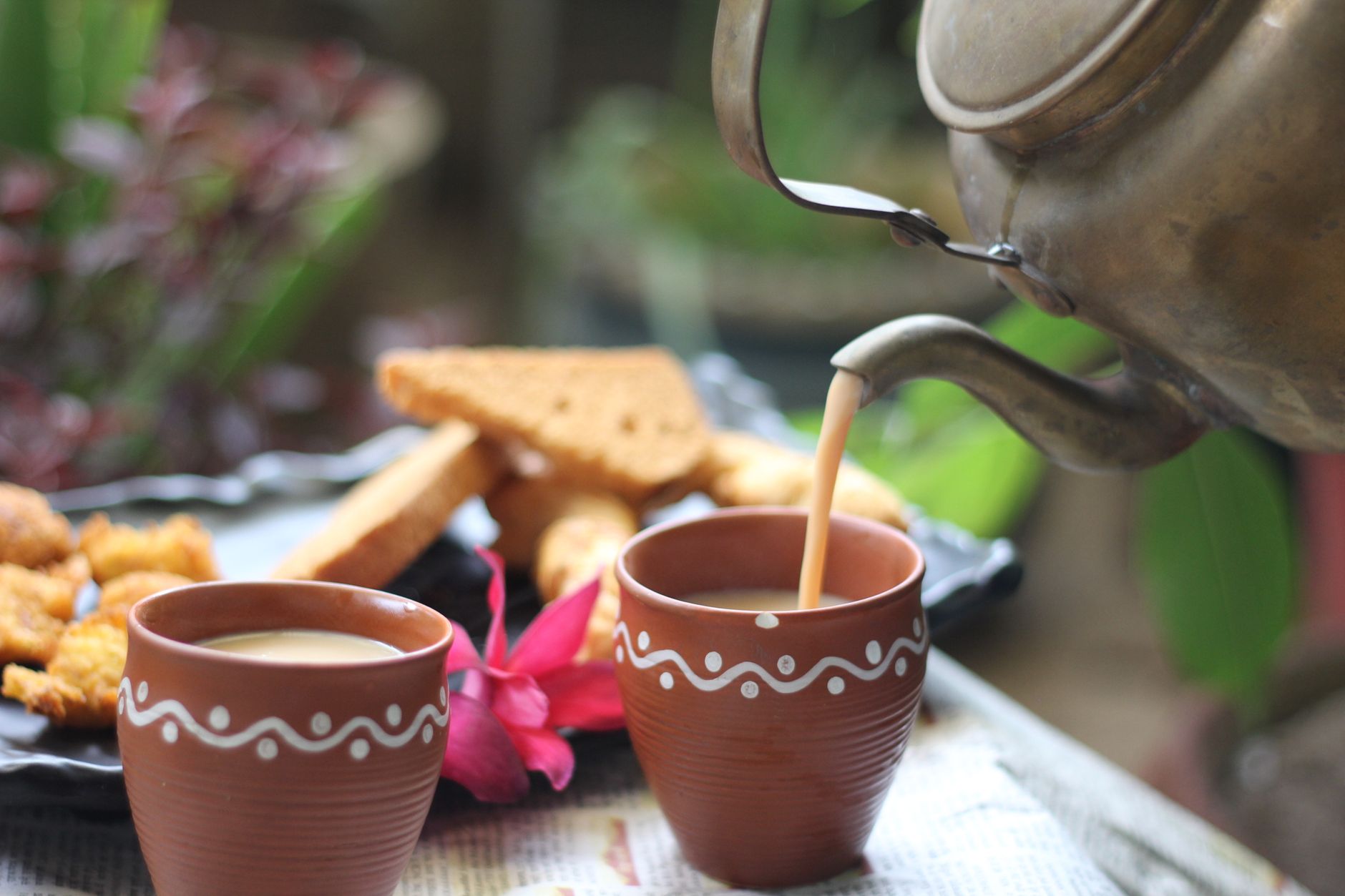
Chai tea, a beloved beverage originating from India, combines black tea with a medley of spices and often milk to create a rich, aromatic drink. Many people enjoy chai not only for its robust flavor but also for its stimulating effects, which largely come from its caffeine content. Understanding the caffeine levels of chai tea can help you enjoy this warming beverage in moderation and enhance your overall tea experience.
This article delves into the caffeine content of chai tea, comparisons with other beverages, preparation tips, and ways to modify your chai experience according to your caffeine preference.
How Much Caffeine Is in Chai Tea?
The caffeine content in chai tea typically ranges from 40 to 70 milligrams per 8-ounce serving. This range can vary based on the type of black tea used and how the chai is prepared. Generally, the stronger the brew, the higher the caffeine content.
To put this in perspective, an average cup of brewed coffee contains about 95 milligrams of caffeine per 8-ounce serving, making chai a gentler option for those sensitive to caffeine.
Factors Influencing Caffeine Content in Chai Tea
Several factors can affect the caffeine levels in chai tea:
- Type of Tea: Different black teas have varying caffeine levels. For example, Assam tea generally has more caffeine than Darjeeling tea.
- Brewing Time: The longer you steep the tea, the more caffeine is extracted. A steeping time of 3–5 minutes is common for a traditional chai.
- Tea to Water Ratio: Using more tea leaves relative to water will result in a stronger brew and more caffeine.
- Milk and Sweeteners: While adding milk or sweeteners doesn’t change the caffeine content, they can affect how you perceive the drink’s strength.
Different Types of Chai Tea and Their Caffeine Levels
Traditional Masala Chai
Masala chai consists of black tea brewed with various spices such as ginger, cardamom, cinnamon, and black pepper. The caffeine content remains primarily dependent on the base tea used, often ranging between 50 to 70 milligrams per serving.
Green Chai
Some versions of chai use green tea instead of black tea. Green chai will generally have lower caffeine content, approximately 20 to 30 milligrams per serving, depending on the steeping time and specific green tea used.
Decaf Chai
For those looking to avoid caffeine altogether, decaffeinated chai tea is available. This version typically contains about 2 to 5 milligrams of caffeine, making it suitable for individuals sensitive to caffeine.
Herbal Chai
Herbal chai, made with herbal ingredients instead of tea leaves, has zero caffeine. These blends often include spices similar to traditional chai, but they are entirely caffeine-free.
Health Benefits and Considerations
Chai tea is not only delicious but also offers several health benefits:
- Antioxidants: The black tea in chai is rich in antioxidants, which help combat oxidative stress in the body.
- Anti-Inflammatory Properties: Many spices used in chai, such as ginger and turmeric, have anti-inflammatory properties that may benefit overall health.
- Improved Digestion: Spices like cardamom and ginger are known to aid digestion and may help alleviate digestive issues.
However, it’s important to enjoy chai in moderation, especially if you are sensitive to caffeine. Too much caffeine can lead to restlessness, insomnia, and increased heart rate.
How to Prepare Chai Tea at Home
Making chai at home allows you to customize your drink to suit your taste and preferred caffeine level. Here’s a simple recipe to create traditional masala chai:
Ingredients
- 2 cups water
- 2 teaspoons black tea leaves (Assam or Darjeeling recommended)
- 2-3 cardamom pods, crushed
- 1-inch piece of ginger, sliced
- 1 cinnamon stick
- 1-2 tablespoons sugar (optional)
- 1 cup milk or non-dairy alternative
Essential Equipment
- Small saucepan
- Strainer
- Mug or teapot
Method
- In a small saucepan, bring 2 cups of water to a boil.
- Add the crushed cardamom, ginger slices, and cinnamon stick, then reduce to a simmer for about 5 minutes.
- Add the black tea leaves and optional sugar. Simmer for an additional 2–3 minutes, depending on how strong you like your tea.
- Stir in 1 cup of milk and bring the mixture back to a boil. Watch carefully to avoid overflowing. Once boiling, remove from heat.
- Strain the tea into a mug or teapot, ensuring to filter out the spices and tea leaves.
- Serve hot and enjoy!
Tips for Adjusting Caffeine Levels
If you want to modify the caffeine content in your chai, consider the following tips:
- Lower the steeping time: Reduce the steeping time for a milder caffeine hit.
- Use lower-caffeine teas: Choose teas like green tea or rooibos for your chai base.
- Opt for herbal versions: For a caffeine-free option, make chai with herbal ingredients instead of tea leaves.
Common Mistakes to Avoid
Here are some pitfalls to watch for when preparing chai to ensure the best flavor and experience:
- Oversteeping the tea leaves can lead to a bitter taste. Adjust your steeping time carefully.
- Using low-quality tea leaves may result in a less flavorful brew. Invest in decent-quality loose-leaf tea.
- Forget to crush the spices properly; this can inhibit their flavors from fully extracting into your chai.
Storage and Reheating Guidance
If you have leftover chai, consider the following storage tips:
- Chai can be stored in the refrigerator for up to 3 days in an airtight container.
- To reheat, gently warm it on the stove or microwave. Avoid boiling again as it can alter the flavor.
- If you used dairy milk, be cautious about reheating as it may curdle if overheated.
Variations of Chai Tea
Chai tea can be customized endlessly. Here are some popular variations you might enjoy:
- Iced Chai: Brew your chai concentrate and chill it. Serve it over ice with milk for a refreshing drink.
- Spiced Vanilla Chai: Add a splash of vanilla extract or vanilla bean while brewing for a sweet aroma.
- Chai Latte: Froth your milk and top the brewed chai with it for a creamy chai latte experience.
Conclusion
Understanding the caffeine content of chai tea can help you enjoy this flavorful beverage while remaining mindful of your caffeine intake. With various recipes, preparation methods, and adaptations, chai provides a delightful and personal experience that reflects your taste preferences.
To explore more about tea and its flavors, check out our recipes for Cardamom Tea and Ethiopian Tea for additional tea inspirations.