
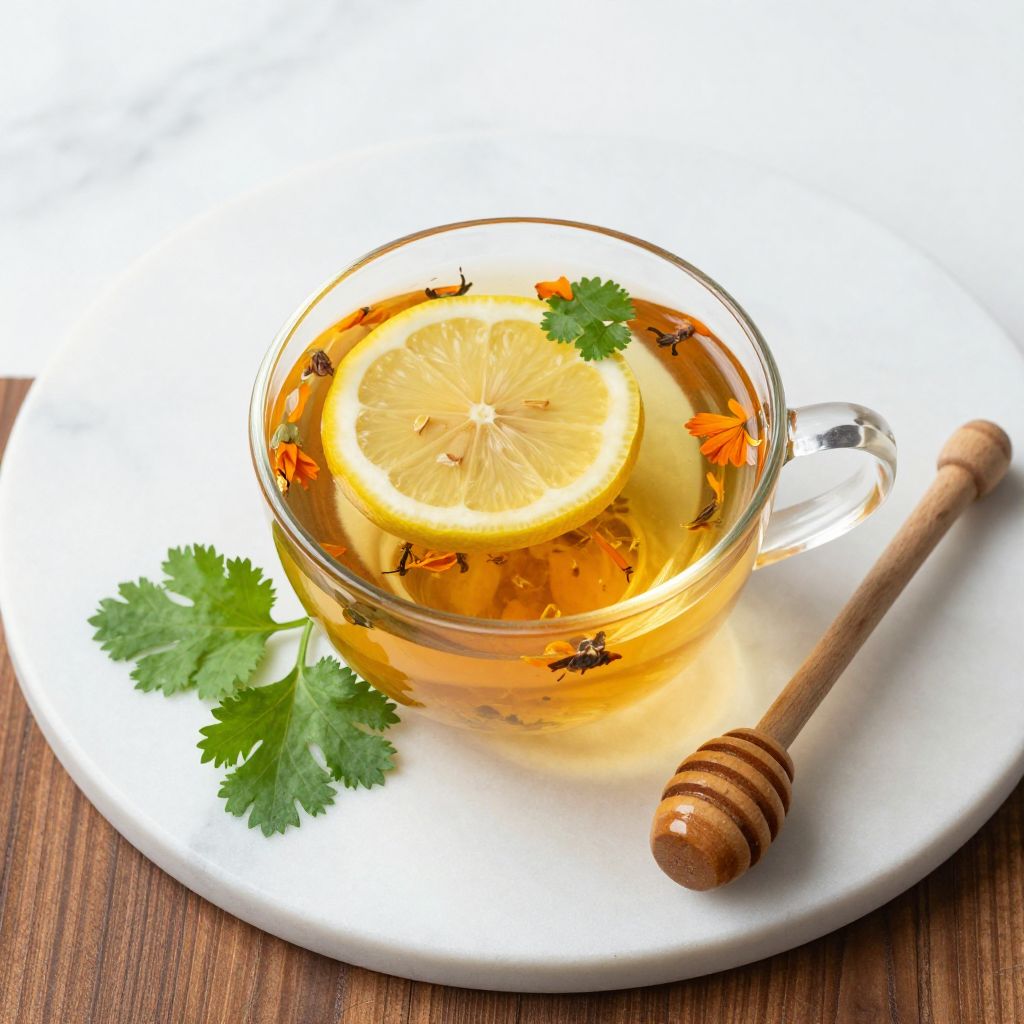
There’s something almost magical about steeping a cup of herbal tea that actually supports your body’s natural detox systems. Lymphatic drainage tea is one of those wellness drinks that tastes genuinely good while working quietly in the background to help flush out what doesn’t belong.
This recipe combines herbs long trusted for their lymphatic-supporting properties, creating a blend that’s refreshing, slightly earthy, and infinitely customizable to your taste. Whether you’re recovering from a tough workout, managing seasonal changes, or simply want to give your immune system a gentle boost, this tea delivers real benefits without any of the harsh artificial ingredients found in commercial blends.
Why You’ll Love This Recipe
This lymphatic drainage tea works because it pairs scientifically-backed herbs with a flavor profile that actually makes you want to drink it daily. You’ll notice the difference within a week of consistent use.
- Uses natural ingredients with genuine lymphatic-supporting properties
- Tastes pleasant and can be enjoyed hot or cold
- Costs a fraction of pre-packaged wellness teas
- Takes just minutes to prepare and brew
- Completely customizable based on what you have on hand
My Experience Making This Recipe
I first started making lymphatic drainage tea after noticing my usual post-workout bloating lingered longer than it should. I researched which herbs actually support lymphatic function and realized I could blend them myself for way less money than those trendy wellness brands charge.
The first batch tasted a bit too strong on the dried ginger, but I quickly adjusted the ratios. Now my go-to morning routine includes brewing a cup while I check emails, and within a few days of regular use, I noticed my jeans fitting more comfortably and my energy levels stayed more stable throughout the day.
My friends have started asking for the recipe after noticing how much better I look and feel. What started as a personal wellness experiment has become the tea I make for everyone who visits my kitchen.
Recipe Overview
- Recipe Name: Lymphatic Drainage Tea
- Servings: Makes 1 quart (about 4 cups)
- Prep Time: 5 minutes
- Brew Time: 10 minutes
- Total Time: 15 minutes
- Course: Beverage
- Cuisine: Herbal Wellness
- Calories per Serving: 5 calories
Equipment You Will Need
- 1-quart glass pitcher or tea pitcher
- Kettle or pot for boiling water
- Fine mesh strainer or tea infuser
- Measuring spoons
- Spoon for stirring
- Cups or mugs for serving
Ingredients for Lymphatic Drainage Tea
- 1 tablespoon dried calendula petals
- 1 tablespoon dried red clover flowers
- 1 teaspoon dried ginger root
- 1 teaspoon dried turmeric root
- 1/2 teaspoon dried cilantro leaves
- 1/2 teaspoon dried nettle leaves
- 1 slice fresh lemon
- 4 cups filtered water
- Honey or maple syrup to taste (optional)
Ingredient Notes and Substitutions
- Calendula petals support healthy circulation and have mild anti-inflammatory properties, making them essential to this blend. If unavailable, chamomile flowers provide similar soothing benefits but lack the same circulation support.
- Red clover flowers are traditionally used for lymphatic support and contain compounds that help reduce fluid retention. Clover can be replaced with additional nettle, though the flavor becomes slightly more grassy.
- Dried ginger root adds warmth and aids digestion while promoting circulation. Fresh ginger works but uses 1/2 teaspoon instead, as it’s more potent and can overpower the blend.
- Turmeric root provides anti-inflammatory support and earthy flavor depth. If you only have turmeric powder, use 1/4 teaspoon, as powdered turmeric is much more concentrated.
- Cilantro leaves help the body’s natural detox processes and round out the flavor. Parsley can substitute, though it’s milder and won’t contribute the same detox support.
- Nettle leaves are mineral-rich and support overall immune function. Peppermint can substitute for a more refreshing flavor, but loses the mineral-rich benefits.
- Lemon juice enhances absorption of the beneficial compounds in the herbs. Lime works equally well and adds a different citrus note.
How to Make Lymphatic Drainage Tea
Step 1: Measure Your Dry Herbs
Gather all your dried herbs and measure them carefully using measuring spoons. Keeping your ingredients pre-measured in a jar makes brewing this tea even faster on busy mornings.
Step 2: Fill Your Kettle With Filtered Water
Pour 4 cups of filtered water into your kettle and bring it to a boil. Filtered water prevents mineral buildup in your pitcher and ensures nothing interferes with absorbing the herb’s beneficial compounds.
Step 3: Place Herbs in Your Infuser or Strainer
Add all the dried herbs to your mesh strainer or tea infuser basket. Keeping herbs contained makes cleanup simple and prevents any small particles from floating in your finished tea.
Step 4: Pour Hot Water Over the Herbs
Once water reaches a rolling boil, carefully pour it over the herbs in your pitcher. The hot water immediately activates the beneficial compounds in the calendula, red clover, and other herbs.
Step 5: Add Your Fresh Lemon Slice
Drop the lemon slice directly into the hot water with the herbs. Lemon not only adds vitamin C but also helps your body absorb the iron and minerals from the herbal blend more effectively.
Step 6: Let the Tea Steep for 10 Minutes
Cover your pitcher and allow the tea to steep undisturbed for exactly 10 minutes. Steeping for less time means you miss out on extracting all the beneficial compounds, while steeping longer can make the flavor bitter.
Step 7: Remove the Infuser and Strain
Carefully lift out your strainer or infuser, allowing any remaining liquid to drip back into the pitcher. Gently press the herbs with the back of a spoon to extract the last bits of flavor and beneficial properties.
Step 8: Pour Into Cups and Add Sweetener If Desired
Pour the finished tea into your favorite mug or cup. If you prefer sweetness, stir in a teaspoon of honey or maple syrup while the tea is still hot, as both enhance the herbal flavors rather than mask them.
Pro Tip: Make a large batch and store it in the refrigerator, then drink one cup each morning and evening for best results supporting your lymphatic system.
Tips for the Best Lymphatic Drainage Tea
- Use dried herbs from a reputable supplier who specializes in herbal tea, as the quality directly affects both flavor and potency of the final blend.
- Store your loose herbs in airtight glass jars away from direct sunlight to maintain their beneficial compounds and flavor for up to six months.
- Drink the tea warm rather than piping hot, as extremely high temperatures can damage some of the delicate plant compounds you’re trying to consume.
- Consistency matters more than quantity, so drinking a cup daily for a week will show better results than drinking several cups just once.
- Pair this tea with plenty of water throughout the day to support your lymphatic system’s natural cleansing functions.
- If you find the flavor too strong initially, reduce the herb amounts by half and gradually increase as your palate adjusts.
Common Mistakes to Avoid
- Oversteeping past 10 minutes makes the tea taste harsh and bitter, canceling out the pleasant herbal notes you’re trying to enjoy.
- Using boiling water that’s too hot can scald delicate herb compounds like the calendula petals, reducing their beneficial properties.
- Storing herbs in clear containers exposed to light causes them to lose potency quickly and turn a dull brownish color.
- Expecting instant results will lead to disappointment, as lymphatic support builds gradually over consistent daily use rather than showing overnight changes.
- Substituting all the herbs at once changes the balance of flavors and beneficial compounds so much that you end up with a completely different tea.
Serving Suggestions
This lymphatic drainage tea shines both as a warm morning ritual and as a refreshing cold beverage on warmer afternoons. The subtle herbal notes pair beautifully with light breakfasts or can stand alone as a mid-day wellness break.
- Enjoy warm with a slice of toast and almond butter for a grounding morning
- Serve chilled over ice with a fresh mint sprig for an afternoon refresher
- Pair with a light salad or soup for lunch support
- Sip as an evening wind-down drink about an hour before bed
- Serve to guests as a wellness-focused alternative to coffee or regular tea
Variations to Try
- Add 1/2 teaspoon of dried rose petals for a floral note and additional antioxidants that support skin health. The rose adds elegance and subtle sweetness to the blend.
- Include 2 or 3 whole cloves for warmth and spice that enhances circulation support. Cloves complement the ginger beautifully and add depth to the flavor profile.
- Stir in a pinch of cayenne pepper after brewing for extra circulatory support and a subtle warming kick. Use carefully as cayenne is potent and can easily overpower delicate herbs.
- Replace the lemon with fresh ginger slices and a splash of raw apple cider vinegar for a stronger detox focus. This variation has a sharper taste but amplifies the drainage benefits.
- Add 1/2 teaspoon of dried hibiscus flowers for tartness and additional antioxidants that support healthy inflammation levels. Hibiscus changes the color to a beautiful reddish tone.
Dietary Adaptations
- Gluten-Free: This recipe is naturally gluten-free, but ensure any dried herbs come from suppliers who certify their products as gluten-free to avoid cross-contamination.
- Dairy-Free: The tea contains no dairy by default, making it perfect for anyone avoiding milk products.
- Vegan: All ingredients are plant-based, so simply skip honey and use maple syrup or agave if you need sweetening.
- Low-Carb/Keto: The tea is naturally very low in carbohydrates with just 5 calories per serving, fitting perfectly into any low-carb lifestyle.
Storage and Reheating
Refrigerator
Store brewed tea in an airtight glass container in the refrigerator where it stays fresh for up to three days. Always smell and taste a small sip before drinking older batches to ensure quality.
- Keep in a sealed glass pitcher away from strong-smelling foods
- The tea may develop a slight cloudiness, which is completely normal and harmless
Freezer
Pour cooled tea into ice cube trays and freeze for up to two months. Frozen tea cubes thaw quickly and work perfectly for making cold brew tea throughout the week.
- Label your ice cube tray with the brew date using masking tape
- Pop cubes into a glass and add hot water for instant fresh tea anytime
Reheating
Gently warm refrigerated tea on the stovetop over medium-low heat or in the microwave for 60 to 90 seconds. Avoid boiling stored tea, as prolonged heat damages some of the beneficial compounds you brewed it for.
- Stir occasionally while reheating to ensure even warming
- Add fresh lemon or honey after reheating for best flavor
Nutrition Information
| Nutrient | Amount |
|---|---|
| Calories | 5 |
| Total Fat | 0g |
| Saturated Fat | 0g |
| Carbohydrates | 1g |
| Fiber | 0g |
| Sugar | 0g |
| Protein | 0g |
| Sodium | 2mg |
| Cholesterol | 0mg |
This nutritional information is based on the herbs and water only, not including optional honey or maple syrup sweeteners. The values can vary slightly depending on which brands of dried herbs you use, as water content differs between suppliers.
Frequently Asked Questions
Can I Use Fresh Herbs Instead of Dried?
Yes, but use three times the amount of fresh herbs compared to dried, since fresh herbs contain much more water. Fresh red clover flowers and calendula petals work beautifully if you have access to them, though they’re harder to find year-round.
How Often Should I Drink This Tea?
Start with one cup daily and work up to two cups per day if desired, though consistent daily use shows better results than sporadic drinking. Never exceed two cups daily without consulting your healthcare provider.
Is This Tea Safe During Pregnancy?
While many herbs support wellness, pregnancy makes it important to check with your doctor before consuming herbal teas regularly. Some of the herbs in this blend, particularly cilantro and turmeric in larger amounts, may not be recommended during pregnancy.
What If My Tea Tastes Too Bitter?
You likely steeped it too long or used water that was too hot, which extracts harsh flavors from the herbs. Start over with fresh ingredients, use water that’s hot but not boiling, and stick to exactly 10 minutes of steeping time.
Can I Make a Large Batch and Store the Dry Blend?
Absolutely, and this makes the tea incredibly convenient to prepare daily. Mix all the dry herbs together in a glass jar with a tight-fitting lid, then use one heaping tablespoon of the blend per cup of water whenever you brew.
Will This Tea Interact With My Medications?
Some herbs can interact with certain medications, particularly blood thinners and immune-suppressing drugs. Check with your pharmacist or doctor before adding this tea to your routine, especially if you take prescription medications.
Final Thoughts
Making your own lymphatic drainage tea transforms a wellness routine into a ritual you’ll actually look forward to each day. You gain control over the ingredients, save money, and create a product tailored exactly to your taste preferences.
Start brewing a batch this week and notice how your body responds to consistent herbal support. This simple tea has the power to become a cornerstone of your wellness practice, one delicious cup at a time.
Lymphatic Drainage Tea
Ingredients
Equipment
Method
- Gather all your dried herbs and measure them carefully using measuring spoons. Keeping your ingredients pre-measured in a jar makes brewing this tea even faster on busy mornings.
- Pour 4 cups of filtered water into your kettle and bring it to a boil. Filtered water prevents mineral buildup in your pitcher and ensures nothing interferes with absorbing the herb's beneficial compounds.
- Add all the dried herbs to your mesh strainer or tea infuser basket. Keeping herbs contained makes cleanup simple and prevents any small particles from floating in your finished tea.
- Once water reaches a rolling boil, carefully pour it over the herbs in your pitcher. The hot water immediately activates the beneficial compounds in the calendula, red clover, and other herbs.
- Drop the lemon slice directly into the hot water with the herbs. Lemon not only adds vitamin C but also helps your body absorb the iron and minerals from the herbal blend more effectively.
- Cover your pitcher and allow the tea to steep undisturbed for exactly 10 minutes. Steeping for less time means you miss out on extracting all the beneficial compounds, while steeping longer can make the flavor bitter.
- Carefully lift out your strainer or infuser, allowing any remaining liquid to drip back into the pitcher. Gently press the herbs with the back of a spoon to extract the last bits of flavor and beneficial properties.
- Pour the finished tea into your favorite mug or cup. If you prefer sweetness, stir in a teaspoon of honey or maple syrup while the tea is still hot, as both enhance the herbal flavors rather than mask them.