
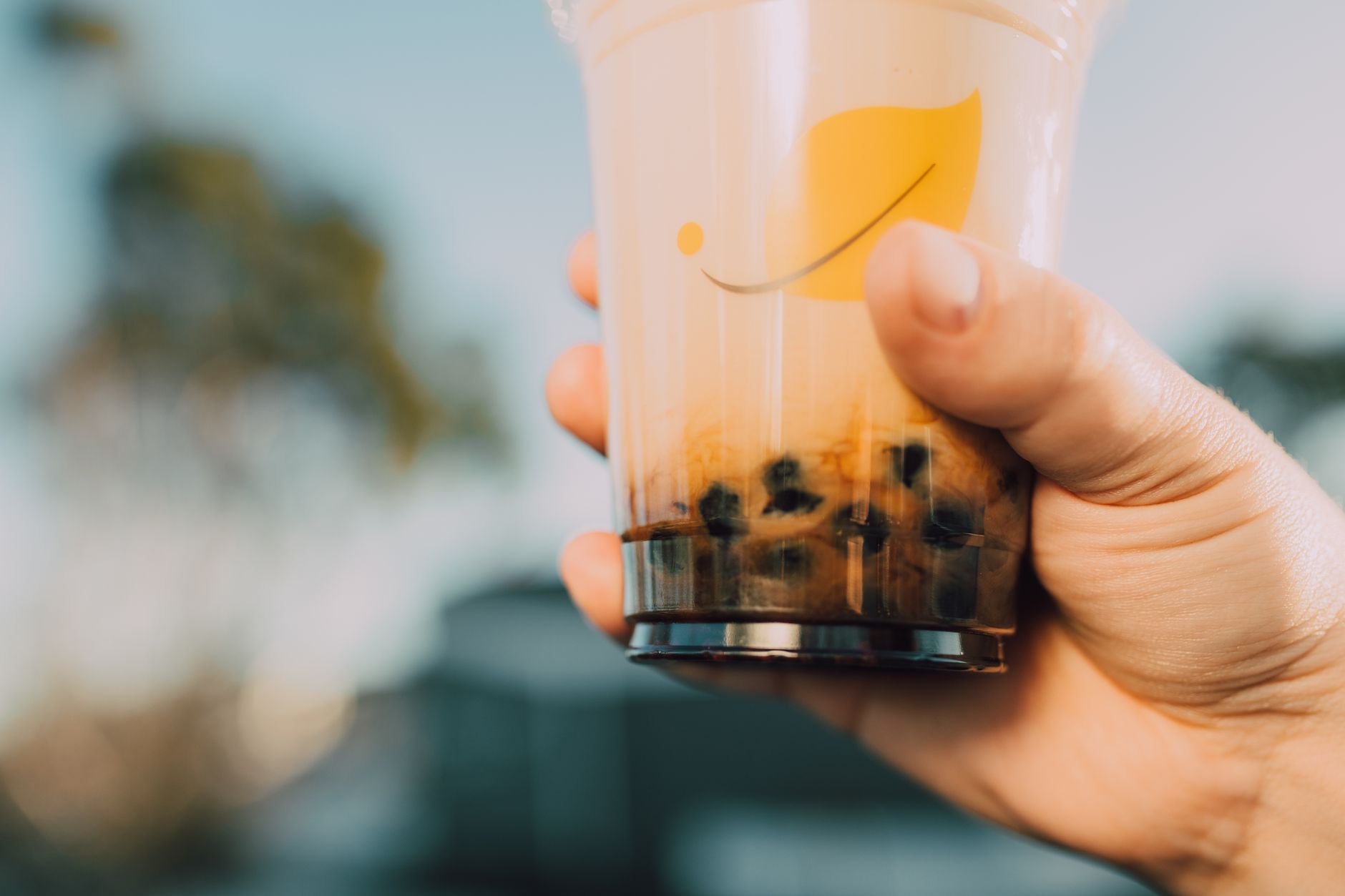
Boba tea, also known as bubble tea, has rapidly grown in popularity, captivating consumers with its delightful combination of creamy milk tea and chewy tapioca pearls. As awareness of gluten-related health issues rises, many consumers wonder if their beloved boba tea is gluten-free. This comprehensive guide will provide you with the information you need to determine if boba tea is gluten-free and offer practical tips for enjoying this beloved beverage safely.
In this article, we’ll explore the primary ingredients of boba tea, what gluten is, and how to ensure you can savor your drink without worry. Whether you’re a long-time fan or a curious newcomer, understanding the gluten-free aspect of boba tea can enhance your enjoyment and peace of mind.
Is Boba Tea Gluten Free?
Yes, traditional boba tea made from tapioca pearls is generally gluten-free. Tapioca, derived from cassava root, contains no gluten. However, while the pearls themselves are safe, other ingredients in boba tea, such as flavored syrups or additional toppings, could introduce gluten. To enjoy boba tea safely, it is essential to choose carefully and confirm ingredient sources.
Understanding Gluten
Gluten is a protein found in various grains such as wheat, barley, and rye. It provides elasticity and a chewy texture to many foods, and it’s commonly found in bread, pasta, and baked goods. For those with celiac disease or gluten intolerance, consuming gluten can lead to uncomfortable and harmful reactions.
What Are Tapioca Pearls?
Tapioca pearls are the primary component in boba tea, lending the drink its signature chewy texture. They are made from starch extracted from the cassava root, making them naturally gluten-free. The pearls are often cooked and sweetened before being added to drinks.
Common Ingredients in Boba Tea
To better understand whether boba tea is gluten-free, it’s crucial to be aware of its common ingredients:
- Tapioca Pearls: Gluten-free by nature, these pearls are the heart of boba tea.
- Milk or Dairy Alternatives: Regular milk, coconut milk, almond milk, and other non-dairy options are generally gluten-free.
- Tea: Most teas used in boba (green, black, oolong, etc.) are gluten-free.
- Syrups and Sweeteners: Watch out for flavored syrups, as some may contain gluten or be produced in facilities that handle gluten-containing products.
- Flavorings: Additional ingredients such as fruit purees or other flavorings should also be checked for gluten content.
How to Ensure Your Boba Tea Is Gluten-Free
When ordering or making boba tea, the following tips will help ensure that you enjoy a gluten-free experience:
1. Choose the Right Ingredients
Stick to traditional tapioca pearls and confirm they don’t contain any added gluten ingredients. Use milk or non-dairy alternatives that do not contain gluten additives.
2. Check for Cross-Contamination
Ask the boba shop about their cross-contamination policies. If they use the same equipment for gluten and gluten-free items, this may pose a risk. It’s wise to choose a dedicated gluten-free establishment if you have celiac disease.
3. Opt for Simple Flavors
When possible, select simple, pure flavors for your boba tea. The fewer ingredients, the lower the chance of gluten sneaking in.
4. Read Labels
If purchasing pre-made boba tea kits or ingredients, always read the labels. Look for gluten-free certifications or labels indicating no gluten is present.
Common Gluten-Free Boba Tea Variations
With the base of boba tea being gluten-free, you can enjoy several variations while keeping health needs in mind. Here are a few popular gluten-free options:
- Classic Milk Tea: Made with brewed black or green tea, milk, and sweetened with sugar or honey, this is a staple.
- Fruit Tea: Combining tea with fresh fruit, these drinks are refreshing and naturally gluten-free.
- Taro Boba: Made with taro powder (confirm no gluten additives), this colorful drink is a delicious alternative.
- Matcha Boba: Traditionally gluten-free if made with pure matcha powder mixed with milk or a non-dairy substitute.
Substitutions for a Gluten-Free Boba Tea
When making boba tea at home or ordering at a café, substitutions may arise. Here are some gluten-free substitutions to consider:
- Milk Alternatives: Coconut milk, almond milk, or oat milk (make sure it’s gluten-free) can replace conventional milk.
- Syrups: Use pure honey or agave syrup instead of flavored syrups that may contain gluten or additives.
- Fruit Additions: Fresh fruit or fruit purees can replace syrups for flavor without the risk of gluten.
Tips for Enjoying Boba Tea Safely
Enjoying boba tea while ensuring it remains gluten-free requires a bit of strategy. Here are some practical tips:
- Inform the Staff: If you are ordering at a café, let the staff know about your gluten-free needs. They can guide you to safe options.
- DIY Boba Tea: Making boba tea at home allows you to have complete control over every ingredient, minimizing the risk of gluten inclusion.
- Experiment at Home: Experimenting with various flavors and textures can lead to delicious gluten-free beverages tailored to personal tastes.
Making Your Own Gluten-Free Boba Tea: A Simple Recipe
If you’d like to take matters into your own hands, try this straightforward recipe for gluten-free boba tea!
Yield: 2 servings
Preparation Time: 15 minutes
Cooking Time: 30 minutes
Total Time: 45 minutes
Ingredients
- 1/2 cup tapioca pearls
- 2 cups water (for cooking the pearls)
- 1 cup brewed black or green tea
- 1 cup milk or dairy alternative
- Sweetener to taste (sugar, honey, or syrup)
- Additional flavorings (optional, such as vanilla extract or fruit puree)
Essential Equipment
- Medium pot
- Measuring cups
- Strainer
- Pitcher or mixing container
- Glass for serving
Instructions
- Bring 2 cups of water to a boil in a medium pot.
- Add the tapioca pearls to the boiling water. Stir gently to prevent sticking.
- Reduce heat to medium and cook the pearls according to the package instructions (usually 20-30 minutes) until they are transparent.
- Once cooked, remove from heat and strain the pearls. Rinse them under cold water to halt the cooking process and remove excess starch.
- In a separate container, mix the brewed tea, milk, and sweetener to taste.
- Add the cooked tapioca pearls to glasses, and pour the tea mixture over them.
- Stir well and enjoy your fresh homemade gluten-free boba tea!
Common Mistakes and Troubleshooting
When making boba tea or ordering from a café, be aware of these common mistakes:
- Overcooking the Pearls: This can lead to a mushy texture. Cook them according to the package instructions and taste for doneness.
- Using Flavored Syrups Without Checking: Many flavored syrups can contain gluten. Always verify before use.
- Neglecting to Ask Questions: If unsure, don’t hesitate to ask café staff about the ingredients and cross-contamination. Transparency is key.
Storage and Reheating Boba Pearls
Boba pearls are best enjoyed fresh, but if you have leftovers, here’s how to store them:
- Store cooked tapioca pearls in an airtight container at room temperature. They can dry out in the refrigerator.
- Consume within the same day for the best texture. Reheat briefly in warm water if needed.
Final Thoughts on Enjoying Gluten-Free Boba Tea
Boba tea can be a delightful treat for those avoiding gluten, provided that you are mindful of the ingredients and potential sources of cross-contamination. By selecting traditional tapioca pearls, simple flavors, and confirming the safety of all ingredients, you can indulge in this popular beverage carefree.
As you explore the world of boba tea, remember to ask questions, get creative with flavors, and perhaps try making your own at home. The versatility and fun textures of boba tea make it a delightful addition to your beverage repertoire.
For more food guides, tips, and delicious recipes to complement your boba tea experience, check out our range of culinary resources! Explore more in-depth articles about gluten-free cooking or tips on creating drinks and snacks at home.