
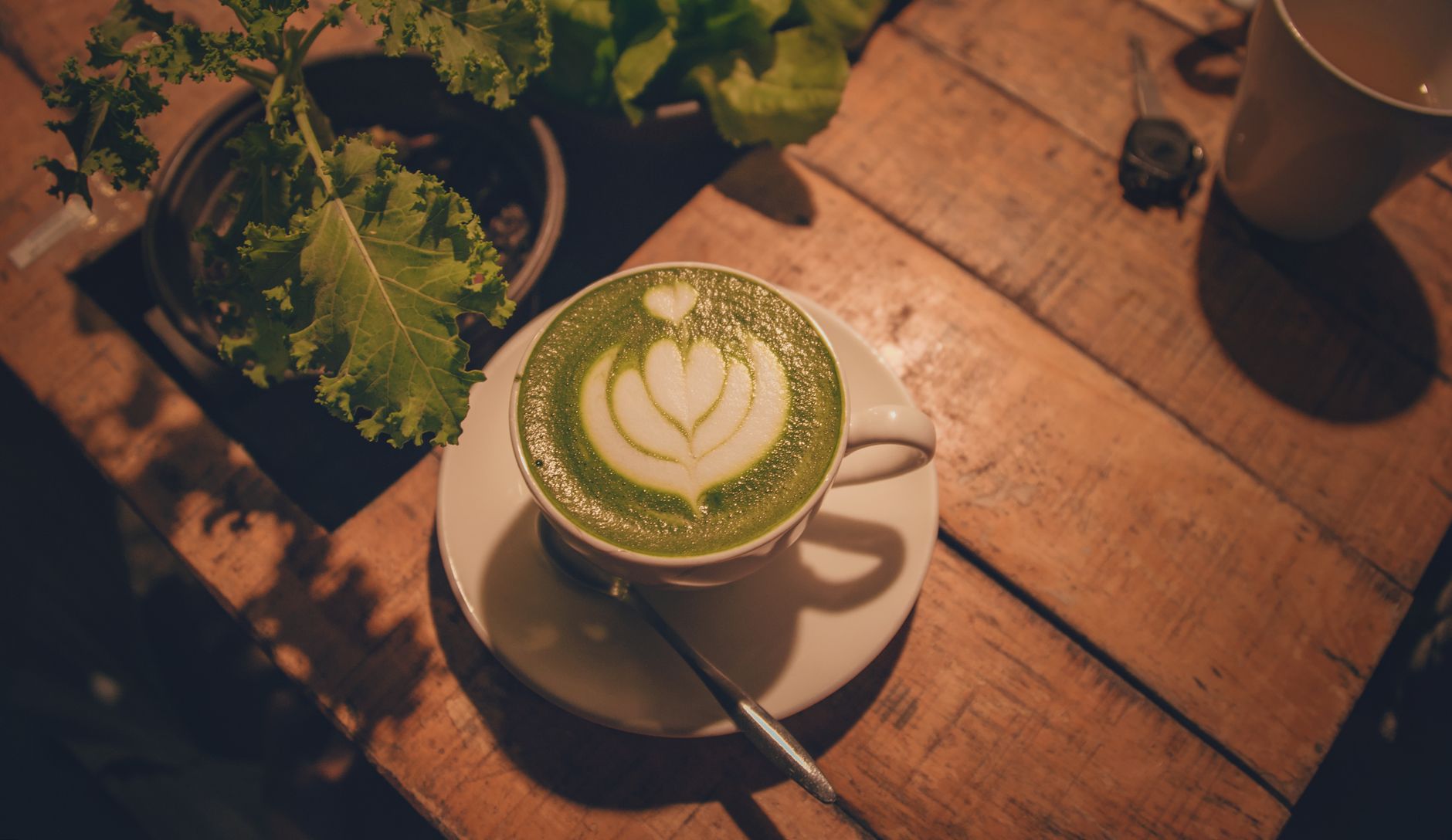
Matcha, a finely ground powder made from specially grown green tea leaves, has gained immense popularity for its rich flavor and purported health benefits. However, for pregnant individuals, the question arises: Is matcha safe during pregnancy? This article delves into the facts, considerations, and tips regarding matcha consumption while expecting.
As pregnant individuals often seek to maintain a healthy lifestyle, understanding the implications of consuming matcha becomes essential. This guide provides valuable insights on caffeine content, any potential risks, and how to enjoy matcha safely while navigating pregnancy.
Is Matcha Safe For Pregnancy?
Yes, matcha can be safe for pregnancy in moderation. However, it is important to consider its caffeine content and potential effects on both the mother and the developing fetus. Pregnant individuals should consult with their healthcare providers to determine the right amount of matcha for their specific situation.
Understanding Matcha and Its Composition
Matcha is known for its vibrant green color and unique flavor, attributed to its high concentration of chlorophyll. It also boasts an impressive nutritional profile, including:
- Antioxidants: Matcha is rich in catechins, particularly epigallocatechin gallate (EGCG), which may have various health benefits.
- Amino acids: It contains the amino acid L-theanine, known for promoting relaxation without causing drowsiness.
- Nutrients: Matcha provides vitamins A, C, E, K, and various B vitamins, along with minerals like calcium and iron.
Caffeine Content in Matcha
One of the primary concerns regarding matcha during pregnancy is its caffeine content. A traditional serving of matcha contains about 70 mg of caffeine per teaspoon (approximately 2 grams). To put this into perspective:
- A regular cup of brewed coffee (8 oz) can have around 95 mg of caffeine.
- Different teas contain varying amounts of caffeine, with matcha being one of the higher tea options.
Pregnant individuals are usually advised to limit their caffeine intake to 200 mg per day. This means that moderate consumption of matcha, such as one cup per day, typically falls within safe limits, but it ultimately varies based on individual tolerance and dietary sources of caffeine.
Potential Risks of Consuming Matcha During Pregnancy
While matcha is generally considered safe, there are potential risks associated with its consumption during pregnancy:
- Caffeine Sensitivity: Pregnancy can heighten caffeine sensitivity. Those who were regular caffeine consumers before pregnancy may find they need to reduce their intake.
- Heavy Metal Contamination: Some sources of matcha may contain heavy metals due to soil contamination. Pregnant individuals should choose high-quality, organic matcha from reputable sources to minimize this risk.
- Possible Effect on Iron Absorption: The tannins present in tea can interfere with iron absorption, which is crucial during pregnancy when iron requirements increase.
How to Enjoy Matcha Safely During Pregnancy
If you enjoy the taste and benefits of matcha, here are some tips to include it safely in your diet during pregnancy:
- Moderation: Limit your consumption to one cup of matcha per day, especially if you are also consuming other sources of caffeine.
- Quality Matters: Choose certified organic matcha to minimize exposure to pesticides and heavy metals. Look for brands that provide transparency about their sourcing and testing practices.
- Stay Hydrated: Ensure you are drinking plenty of water throughout the day to support your body’s needs during pregnancy.
Simple Matcha Recipe Suggestions
Here are a couple of simple ways to incorporate matcha into your pregnancy diet:
Matcha Latte
A matcha latte is a soothing and delicious way to enjoy matcha. Here’s a simple recipe:
- Ingredients:
- 1 teaspoon matcha powder
- 1 cup of your choice of milk (dairy, almond, oat, etc.)
- 1 teaspoon sweetener (honey, agave, or not at all)
- In a small bowl, whisk the matcha powder with a few tablespoons of hot water until smooth and frothy.
- Heat your milk of choice until warm (do not boil).
- Combine the matcha with the milk and sweetener, and stir until well blended.
Matcha Smoothie
For a refreshing treat, try adding matcha to a smoothie.
- Ingredients:
- 1 banana
- 1 cup spinach (optional)
- 1 teaspoon matcha powder
- 1 cup almond or coconut milk
- Ice cubes (optional)
- Combine all ingredients in a blender.
- Blend until smooth and creamy.
- Serve immediately, and enjoy this nutrient-packed drink.
Common Mistakes to Avoid
When incorporating matcha into your pregnancy diet, be mindful of these common pitfalls:
- Overconsumption: Remember that more is not better. Stick to recommended servings to avoid excess caffeine intake.
- Ignoring Quality: Not all matcha is created equal. Invest in high-quality products to ensure safety.
- Underestimating Caffeine Intake: Consider all your caffeine sources, including chocolate, coffee, and other teas.
Consulting with Healthcare Providers
Before making any drastic changes to your diet during pregnancy, it’s essential to consult your healthcare provider. They can provide personalized guidance based on your health history, dietary preferences, and any potential risks associated with caffeine or particular foods.
Conclusion
Matcha can be safely enjoyed during pregnancy when consumed in moderation. With its rich flavor and nutritional benefits, it can add variety to your diet. Just remember to choose high-quality matcha and be mindful of your overall caffeine intake. Always feel free to discuss your dietary choices with your healthcare provider to ensure they align with your specific health needs.
For more delicious and healthy recipes, explore our vanilla matcha latte recipe and check out our anti-inflammatory tea recipe for other great ideas to support your well-being during pregnancy.