
The aroma of espresso hitting steamed milk is one of those kitchen moments that stops you cold. A coffee latte is the bridge between a simple cup of coffee and a café-quality drink you can make at home in under five minutes.
This recipe delivers that creamy, velvety texture and balanced coffee flavor that makes you feel like you’ve actually got your life together, even if you’re still in pajamas. The best part? You probably have everything you need right now.
Why You’ll Love This Recipe
A homemade latte tastes as good as what you’d pay five dollars for at a coffee shop, but costs a fraction of the price. You control the strength, sweetness, and milk temperature every single time.
- Fast to make with minimal cleanup
- Customizable to your exact taste preferences
- Works with any type of milk you prefer
- No fancy equipment absolutely required
- Perfect for mornings or afternoon pick-me-ups
My Experience Making This Recipe
I stopped buying lattes from coffee shops about two years ago, and honestly, making my own at home has changed my mornings. The ritual of pulling a shot of espresso, listening to the milk frother hiss, and pouring that perfect microfoam on top feels indulgent but takes less time than driving to a cafe.
The first time I nailed the milk temperature and texture, I called my partner over like I’d just won an award. That velvety layer of foam that sits on top of the drink is the moment you know you’ve done it right, and it tastes even better than store-bought because you made it.
What surprised me most is how much a simple thermometer changed my game. Hitting that sweet spot between 150 and 155 degrees Fahrenheit means the milk stays sweet and doesn’t scald, which is the difference between a latte that tastes like burnt milk and one that tastes like silk.
Recipe Overview
- Recipe Name: Classic Coffee Latte
- Servings: 1
- Prep Time: 2 minutes
- Cook Time: 3 minutes
- Total Time: 5 minutes
- Course: Beverage
- Cuisine: Italian-inspired American
- Calories per Serving: 180
Equipment You Will Need
- Espresso machine or moka pot
- Milk frother (handheld or built-in steamer)
- 12-ounce coffee cup or mug
- Kitchen thermometer (optional but recommended)
- Measuring cups for milk
- Spoon for stirring
- Milk pitcher (if using steam wand)
Ingredients for Coffee Latte
- Espresso: 2 ounces (two shots)
- Whole milk: 10 ounces
- Water: as needed for espresso machine
- Sweetener (optional): 1/2 teaspoon to 1 teaspoon of sugar, honey, or syrup
Ingredient Notes and Substitutions
- Espresso is strongly brewed coffee that forms the foundation of your latte. Substitute with strongly brewed regular coffee if you don’t have an espresso machine, though the flavor profile will be slightly less intense.
- Whole milk creates that creamy texture and froths beautifully. Substitute with 2% milk for fewer calories, oat milk for richness without dairy, or almond milk if you need dairy-free, though almond milk doesn’t steam quite as well.
- Sweetener balances the bitter espresso notes. You can skip it if you prefer black coffee flavor, use vanilla syrup for a vanilla latte, or caramel syrup for a caramel latte.
How to Make Coffee Latte
Step 1: Fill Your Espresso Machine With Water
Fill your espresso machine’s water reservoir to the appropriate line. Starting with fresh, filtered water ensures your espresso tastes clean and bright instead of flat.
Step 2: Add Ground Espresso to the Portafilter
Use finely ground espresso coffee (about 18 to 20 grams for a double shot) and distribute it evenly in the portafilter basket. Tamp it down firmly with the tamper to create even water flow through the grounds.
Step 3: Lock in the Portafilter and Start Extraction
Attach the portafilter to your espresso machine and position your cup underneath. Start the extraction and watch for a steady stream of dark liquid to flow out within 5 to 10 seconds.
Step 4: Pull Two Shots of Espresso
Let the espresso flow into your cup until you have about 2 ounces total. This usually takes 25 to 30 seconds, and the result should look like dark amber with a golden crema layer on top.
Step 5: Pour Cold Milk Into Your Frother Pitcher
Fill a milk pitcher or frother with 10 ounces of cold milk. You want to start with cold milk because it froths much better than room temperature milk and gives you more control over the final temperature.
Step 6: Steam or Froth the Milk
Insert the steam wand just below the surface of the milk and turn it on. Angle the pitcher so the milk spins in a circular motion, which creates tiny bubbles and heats the milk evenly to about 150 to 155 degrees Fahrenheit.
Step 7: Check the Milk Temperature
Use a kitchen thermometer if you have one to check that the milk has reached 150 to 155 degrees. If you don’t have a thermometer, the pitcher will feel hot to the touch but not painfully so, and you should stop steaming before the milk gets too hot.
Step 8: Pour the Steamed Milk Into Your Espresso
Pour the milk slowly into the espresso, tilting your cup slightly to blend the two together. Start high to combine the liquid, then lower the pitcher to create a thin layer of microfoam on top.
Step 9: Top With a Small Amount of Foam
Spoon a thin layer of foam onto the surface of your latte. This creates that traditional café appearance and adds a velvety mouthfeel to each sip.
Pro Tip: The milk temperature matters more than you think. Milk that is too hot (above 160 degrees) tastes burnt and loses its natural sweetness, while milk that is too cool won’t create proper microfoam, so aim for that 150 to 155 degree window.
Tips for the Best Coffee Latte
- Use freshly roasted espresso beans that are less than two weeks old. Stale beans create a flat, dull latte no matter how well you execute the rest of the recipe.
- Invest in a milk thermometer for the first few lattes you make. Once you get the feel for the right temperature, you’ll be able to judge it by touch alone.
- Keep your milk pitcher clean between uses. Any old milk residue will affect the taste and texture of your next drink.
- Pour the milk slowly and deliberately into the espresso. Rushing it creates a watery mess instead of a blended drink.
- Start drinking your latte within two minutes of making it. The foam settles and the temperature drops as it sits, so timing matters for that perfect first sip.
- If you don’t have an espresso machine, use a moka pot or make very strong brewed coffee as your base instead.
Common Mistakes to Avoid
- Overheating the milk scorches it and creates a burnt flavor that overpowers the espresso. Keep the thermometer handy until you develop a feel for the right temperature.
- Using old or stale espresso beans produces a flat, bitter drink that tastes nothing like a café latte. Buy fresh beans and store them in an airtight container.
- Steaming milk that is too warm to start creates weak foam and uneven texture. Always start with cold milk from the refrigerator.
- Pouring the milk too quickly mixes it unevenly and prevents proper foam formation. Take your time and let gravity do the work.
- Letting your espresso sit for more than 30 seconds before adding milk causes it to cool and the crema to collapse. Make the espresso right before you steam the milk.
Serving Suggestions
A latte is perfect on its own, but you can easily turn it into a complete morning or afternoon ritual by pairing it with something sweet or savory. The creamy, mild flavor pairs beautifully with almost any pastry or breakfast item.
- Serve with a buttery croissant or almond croissant for a bakery-style breakfast
- Pair with blueberry muffins or banana bread for something a bit more casual
- Enjoy alongside scrambled eggs and toast for a full breakfast experience
- Combine with a biscotti for dipping, Italian-style
- Pair with a chocolate chip cookie for an afternoon pick-me-up
Variations to Try
- Vanilla Latte: Add 1/2 teaspoon of vanilla extract or 1 teaspoon of vanilla syrup to your espresso before adding the milk. This creates a sweeter, more perfumed drink that’s less intense than the classic version.
- Cinnamon Latte: Sprinkle ground cinnamon on top of the foam or add 1/4 teaspoon of cinnamon to the espresso. The warmth of cinnamon complements the coffee beautifully and adds depth.
- Honey Latte: Stir 1/2 teaspoon of honey into your espresso before adding milk. Honey sweetens the drink naturally and adds a subtle floral note that works really well with coffee.
- Caramel Latte: Add 1 teaspoon of caramel syrup to your espresso before steaming the milk. This creates a sweeter drink that tastes like a café caramel latte without the high price tag.
- Iced Latte: Make two shots of espresso and pour them over a glass filled with ice, then add cold milk and sweetener if desired. Skip the heating step entirely for a refreshing summer version.
Dietary Adaptations
- Dairy-Free: Substitute oat milk or almond milk for whole milk to make the drink vegan-friendly. Oat milk froths better than almond milk but both work and create a slightly lighter, less creamy final product.
- Vegan: Use plant-based milk and ensure your espresso is made without any animal products. The rest of the recipe stays exactly the same since espresso is just water and coffee grounds.
- Lower Calorie: Use 2% milk instead of whole milk or substitute with skim milk for a lighter drink. This cuts about 40 to 50 calories without changing the texture too dramatically.
- Low-Carb or Keto: Use unsweetened almond milk or heavy cream to reduce carbohydrates significantly. Heavy cream creates a richer, more decadent drink that fits keto macros perfectly.
Storage and Reheating
Refrigerator
Leftover latte doesn’t keep its foam, but the base stores well in an airtight container for up to 24 hours. Cold latte tastes good on its own or can be reheated.
- Store in an airtight glass container
- Keep in the refrigerator for up to 24 hours
- Drink cold straight from the container or reheat before serving
Freezer
Freezing latte isn’t ideal because the milk and foam separate, but you can freeze leftover espresso in ice cube trays to use later. Thawed latte will taste watered down and won’t have the same quality as freshly made.
- Freeze espresso in ice cube trays separately
- Transfer frozen cubes to a freezer bag and use within two weeks
- Skip freezing the full latte as it doesn’t refreeze well
Reheating
Reheated latte tastes best when warmed gently in a saucepan over low heat or in the microwave in 30-second bursts. Avoid boiling it because high heat makes the milk taste burnt.
- Microwave for 30 to 60 seconds, stirring halfway through
- Heat gently in a saucepan over low heat, stirring constantly
- Don’t reheat more than once as texture and flavor degrade with each heating
Nutrition Information
| Nutrient | Amount |
|---|---|
| Calories | 180 |
| Total Fat | 7 grams |
| Saturated Fat | 4.5 grams |
| Carbohydrates | 12 grams |
| Fiber | 0 grams |
| Sugar | 11 grams |
| Protein | 8 grams |
| Sodium | 105 milligrams |
| Cholesterol | 25 milligrams |
These nutrition values are based on whole milk and assume no added sweetener. Your actual calories and macros will vary depending on the type of milk you choose and any syrups or sweeteners you add to your latte.
Frequently Asked Questions
Can I Make a Latte Without an Espresso Machine?
Yes, you can make a strong cup of coffee using a moka pot, French press, or even a pour-over method and use that as your base instead of espresso. The result won’t be quite as concentrated, but it will still taste good and definitely beats store-bought coffee.
What Type of Milk Froths Best?
Whole milk froths better than any other option because of its higher fat content and milk proteins. If you need dairy-free, oat milk froths almost as well as whole milk and creates a nice microfoam.
How Do I Get Better Microfoam?
Start with cold milk, position the steam wand just below the surface to incorporate air, then lower the pitcher to heat the milk while it spins. The key is combining air incorporation with heat rather than doing one at a time.
Can I Make Multiple Lattes Ahead of Time?
You can make the espresso shots ahead and reheat them, but the best lattes are made and served immediately. Making lattes to order takes only five minutes and tastes infinitely better than pre-made versions.
Why Does My Latte Taste Watery Sometimes?
This usually means your espresso wasn’t concentrated enough or your milk temperature was too cool. Make sure your espresso is freshly pulled right before you add the milk and that you’re hitting that 150 to 155 degree target.
Is a Latte the Same as a Cappuccino?
Not quite. A latte has more milk and less foam, creating a creamier drink, while a cappuccino has equal parts espresso, steamed milk, and foam, making it stronger and more intense. Both are delicious but definitely different drinks.
Final Thoughts
Making your own latte at home transforms your daily coffee ritual into something special that costs a fraction of what you’d pay at a café. Once you nail the technique, you’ll find yourself making these multiple times a week just for the joy of it.
Start with this recipe and don’t stress if your first few attempts aren’t perfect. Every cup teaches you something about the right temperature, the perfect pour, or how your specific equipment behaves, and by your fifth latte, you’ll be making them like a pro.
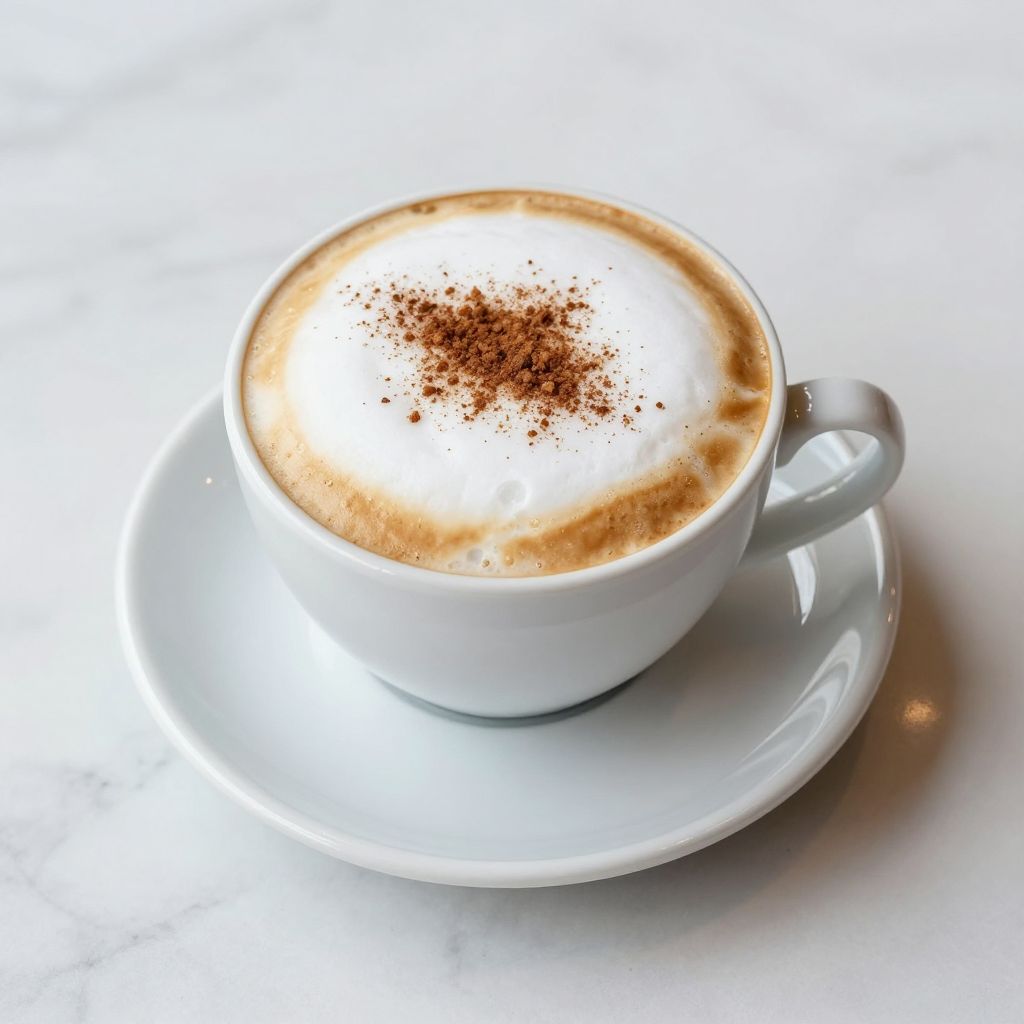
Classic Coffee Latte
Ingredients
Equipment
Method
- Fill your espresso machine's water reservoir to the appropriate line with fresh, filtered water.
- Add 18 to 20 grams of finely ground espresso coffee to the portafilter basket and distribute it evenly. Tamp it down firmly with the tamper to create even water flow through the grounds.
- Attach the portafilter to your espresso machine and position your cup underneath. Start the extraction and watch for a steady stream of dark liquid to flow out within 5 to 10 seconds.
- Let the espresso flow into your cup until you have about 2 ounces total. This usually takes 25 to 30 seconds, and the result should look like dark amber with a golden crema layer on top.
- Fill a milk pitcher or frother with 10 ounces of cold milk from the refrigerator.
- Insert the steam wand just below the surface of the milk and turn it on. Angle the pitcher so the milk spins in a circular motion, creating tiny bubbles and heating the milk evenly to about 150 to 155 degrees Fahrenheit.
- Use a kitchen thermometer to check that the milk has reached 150 to 155 degrees. If you don't have a thermometer, the pitcher will feel hot to the touch but not painfully so.
- Pour the milk slowly into the espresso, tilting your cup slightly to blend the two together. Start high to combine the liquid, then lower the pitcher to create a thin layer of microfoam on top.
- Spoon a thin layer of foam onto the surface of your latte to create that traditional café appearance.
- Serve immediately within two minutes of making for the best flavor and texture.