
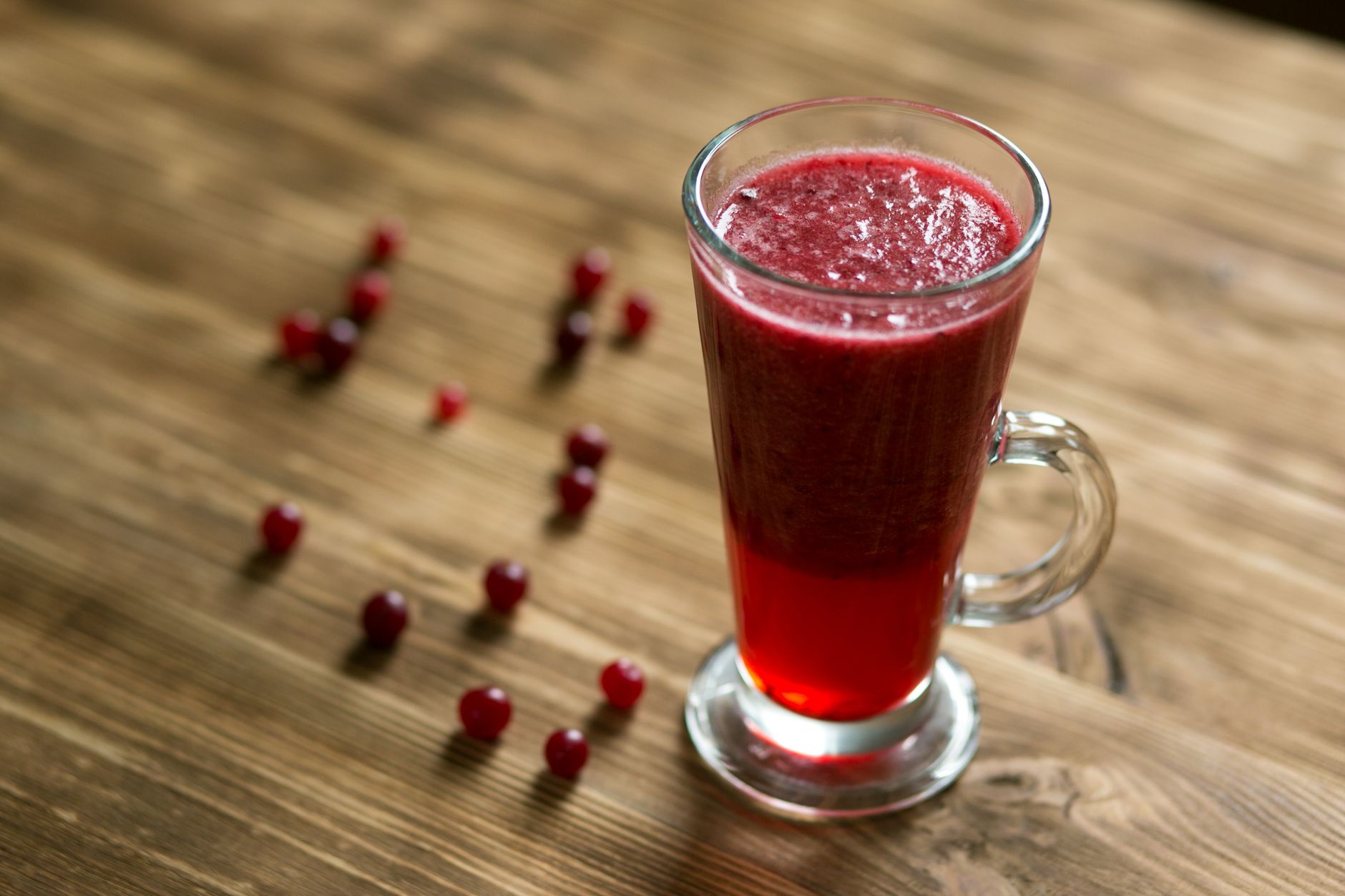
Cranberry juice is a popular beverage known for its tart flavor and potential health benefits. While enjoying this refreshing drink, many people may wonder about the appropriate quantity to consume. This guide explores the nuances surrounding cranberry juice intake, including its benefits, potential side effects, serving recommendations, and when to exercise caution.
Understanding how much cranberry juice is too much involves looking at dietary considerations, the juice’s effects on health, and recommendations for consumption. This comprehensive guide will help you make informed choices about enjoying cranberry juice while considering overall health and wellness.
How Much Cranberry Juice Is Too Much?
Generally, consuming about one to two cups of cranberry juice per day is considered safe and beneficial for most individuals. However, exceeding this amount, particularly beyond three cups, may lead to unwanted side effects. Individual factors such as health conditions, medications, and overall diet should also be taken into account.
Benefits of Cranberry Juice
Cranberry juice is not just tasty; it also brings several benefits:
- Rich in Nutrients: Cranberry juice is a good source of vitamin C and antioxidants.
- Urinary Tract Health: It may help prevent urinary tract infections (UTIs) by inhibiting bacteria from adhering to the bladder wall.
- Heart Health: The antioxidants in cranberry juice may support cardiovascular health by improving cholesterol levels.
- Digestive Health: It can promote good digestive health by managing gut bacteria.
Potential Side Effects of Excessive Cranberry Juice
While cranberry juice has numerous advantages, excessive consumption can result in various side effects:
- Stomach Upset: Drinking large amounts can cause gastrointestinal distress or diarrhea.
- Kidney Stones: High intake may contribute to the formation of kidney stones, especially in individuals susceptible to them.
- Blood Thinning Effects: Cranberry juice can interact with blood-thinning medications, such as warfarin, increasing their effects and the risk of bleeding.
- Allergies: Some individuals may react allergic to cranberries, resulting in hives or other skin reactions.
Recommended Serving Sizes for Cranberry Juice
Expert guidelines suggest moderate consumption:
- For Health Benefits: 8–12 ounces (1 to 1.5 cups) per day is typically recommended to reap health benefits.
- For Managing UTIs: About 10 ounces may be beneficial in reducing UTI risk.
- Dietary Balance: Adjust intake based on total fluid consumption and dietary fiber needs.
Understanding Different Types of Cranberry Juice
Cranberry juice products can vary widely in terms of ingredients and health benefits. Here are key types:
- 100% Pure Cranberry Juice: Contains no added sugars and offers the maximum health benefits.
- Cranberry Juice Cocktail: Often contains added sugars and less cranberry content, reducing overall health benefits.
- Cranberry Juice Concentrate: More concentrated flavor and nutrients, often diluted with water before consumption.
Frequently Asked Questions
Can I Drink Cranberry Juice Every Day?
Yes, moderate daily consumption is generally safe. Aim for 8–12 ounces for optimal health benefits while remaining mindful of your total intake.
Is It Safe for Children to Drink Cranberry Juice?
Children can consume cranberry juice, although it should be diluted and in moderation due to the acidity and potential for sugar overload from sweetened varieties.
Does Cranberry Juice Interact with Medications?
Cranberry juice can interact with certain medications, particularly blood thinners. Always consult with a healthcare professional if you’re taking medication and plan to consume significant amounts.
Practical Tips for Incorporating Cranberry Juice
Here are some practical suggestions on how to enjoy cranberry juice safely:
- Mix It Up: Combine cranberry juice with other juices like apple or grape for a flavorful drink with a lower cranberry content.
- Hydration Balance: Alternate between cranberry juice and water to maintain hydration while enjoying the benefits.
- Sip Slowly: Having smaller portions throughout the day can help reduce the risk of gastrointestinal upset.
Storing Cranberry Juice
Proper storage will keep your cranberry juice fresh:
- Refrigeration: Once opened, cranberry juice should be kept in the refrigerator and consumed within five to seven days.
- Frozen Storage: Pure cranberry juice can be frozen in ice cube trays for later use in smoothies or other drinks.
Conclusion
While cranberry juice can be a delicious and healthful addition to your diet, moderation remains essential. One to two cups daily is a safe range for most individuals, but exceeding this amount may lead to side effects. Always consider personal health conditions, dietary needs, and consult your healthcare provider about potential interactions with medications.
Great options for your next steps include exploring ways to incorporate cranberry juice into smoothies or trying recipes for homemade cranberry juice. You can check out our guide on canning cranberry juice or find out about making a nutritious antioxidant juice recipe for additional ways to enjoy this tart yet beneficial powerhouse in your diet.