
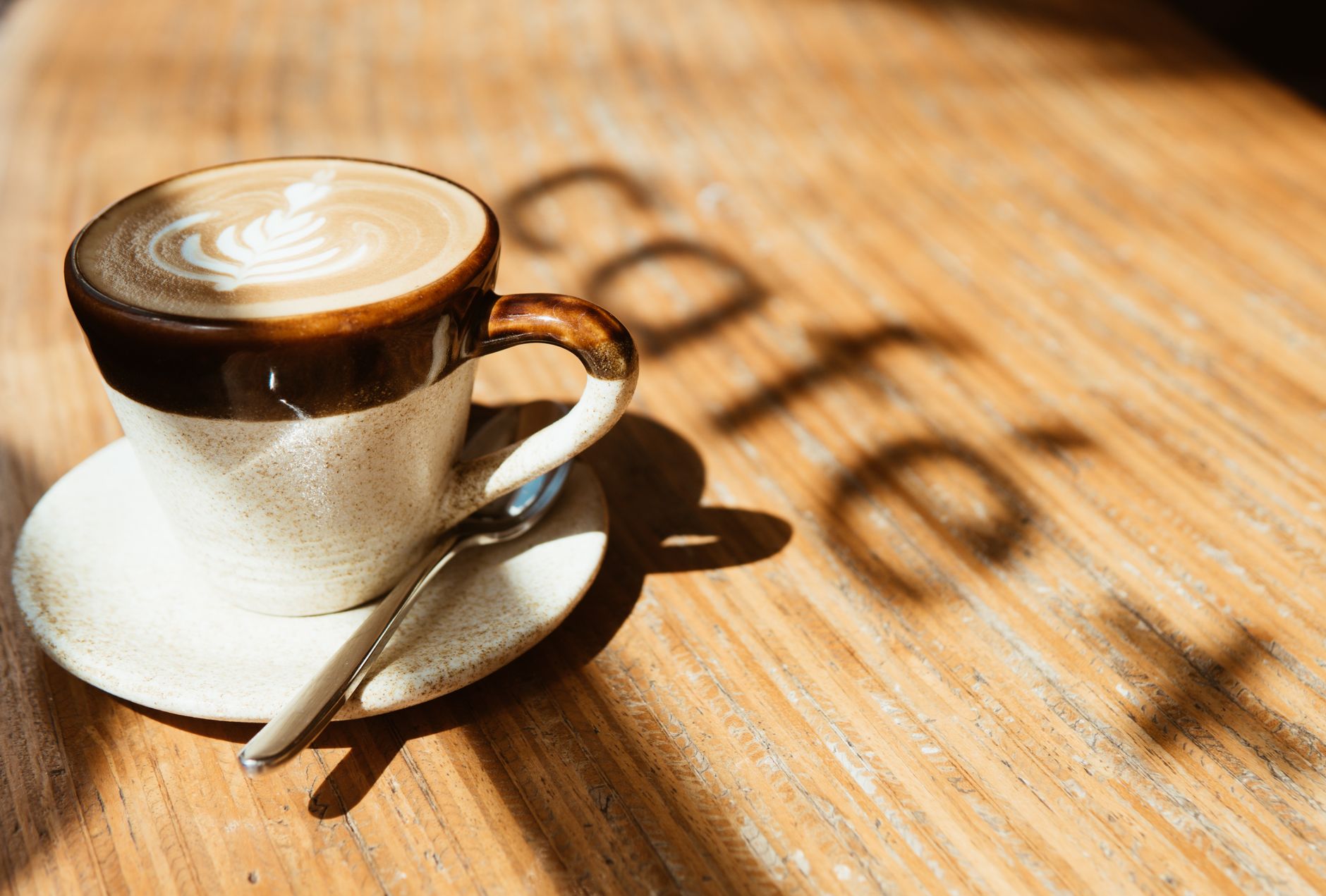
During pregnancy, many women question their caffeine intake, particularly when it comes to coffee. This common beverage often becomes a source of concern for expecting mothers. However, decaffeinated coffee offers them a way to indulge in their favorite drink with minimal caffeine exposure.
This article will explore whether pregnant women can safely consume decaf coffee, the potential health implications, and practical tips for enjoying coffee during pregnancy without compromising safety.
Can Pregnant Women Have Decaf Coffee?
Yes, pregnant women can safely consume decaf coffee in moderation. Decaf coffee typically contains much lower levels of caffeine compared to regular coffee, usually around 2 to 5 milligrams per cup versus approximately 95 milligrams or more in a regular cup. This makes it a suitable option for those who want to reduce their caffeine intake during pregnancy.
The Role of Caffeine During Pregnancy
Caffeine can cross the placenta, affecting the developing fetus who metabolizes it differently than adults. High caffeine consumption during pregnancy has been associated with an increased risk of miscarriage, premature birth, low birth weight, and developmental issues. Therefore, many health experts recommend limiting caffeine intake to 200 milligrams or less per day during pregnancy.
Understanding the role of caffeine and its impact allows pregnant women to make informed choices about their diets. By opting for decaf coffee, they can still enjoy familiar flavors and rituals involving coffee without significant caffeine-related risks.
Understanding Decaf Coffee
Decaf coffee is made from coffee beans that have had most of their caffeine removed. The decaffeination process generally involves one of three methods:
- Solvent-Based Process: This method uses solvents like methylene chloride or ethyl acetate to extract caffeine from the beans. These solvents are then removed to make the coffee safe for consumption.
- Swiss Water Process: A chemical-free method where beans are soaked in water, allowing caffeine to dissolve. The resulting liquid is passed through a carbon filter that traps caffeine molecules, and the decaffeinated beans are re-soaked in the flavor-rich liquid.
- Carbon Dioxide Method: This method uses pressurized CO2 to extract caffeine while preserving essential oils and flavors in the beans.
Health Considerations for Pregnant Women
While decaf coffee is a safer alternative to regular coffee, there are still some health considerations for pregnant women to keep in mind:
Caffeine Content
As mentioned earlier, decaf coffee contains about 2 to 5 milligrams of caffeine per cup, but this can vary based on the brand and preparation method. Pregnant women should remain mindful of their overall caffeine consumption, which includes sources like tea, chocolate, and certain soft drinks.
Acidity and Digestive Issues
Decaf coffee can still be acidic, which may cause digestive discomfort for some individuals, especially during pregnancy when digestive systems can be more sensitive. If experiencing heartburn or acid reflux, consider opting for low-acid coffee brands or alternative beverages.
Hydration
Drinking decaf coffee contributes to daily fluid intake, but it should not replace water and other hydrating beverages. Maintaining hydration is crucial during pregnancy for both the mother and developing baby.
Potential Additives
Pay attention to what goes into your decaf coffee. Many flavored coffee creamers, syrups, and added sugars can contain ingredients that are not advisable during pregnancy. Opt for natural ingredients, such as milk or plant-based creamers, when adding to your decaf coffee.
Health Benefits of Decaf Coffee
Despite its low caffeine content, decaf coffee offers some potential health benefits:
- Antioxidants: Coffee, even in its decaffeinated form, is rich in antioxidants that help combat free radicals in the body, reducing oxidative stress.
- Reduced Risk of Certain Diseases: Some studies suggest that moderate coffee consumption may be linked to lower risks of certain conditions, such as Type 2 diabetes or liver disease, which could be relevant to maternal health.
- Enhanced Mood: The rituals surrounding coffee consumption, including the sensory pleasure of the drink itself, can provide emotional comfort and a sense of normalcy during pregnancy.
Practical Tips for Enjoying Decaf Coffee During Pregnancy
Decaf coffee can be a delightful indulgence for pregnant women, and here are some practical tips to maximize enjoyment:
Choose High-Quality Beans
Select reputable brands known for their decaffeination processes. Look for labels that indicate organic or specialty coffee, which may have better flavor and quality.
Experiment with Brewing Methods
Try various brewing methods, such as French press, pour-over, or cold brew, to discover which produces the most satisfying cup of decaf coffee for your taste preferences. Each method can alter the flavor and richness of your drink.
Monitor Portion Sizes
Stick to moderate portion sizes. One or two cups of decaf coffee a day can fit into a balanced diet for many pregnant women, but it’s essential to listen to your body and adjust as necessary.
Limit Additional Ingredients
Be mindful of high-calorie or sugary additives. Prefer natural sweeteners like honey or simple milk additions that complement the coffee without overwhelming it.
Enjoy Alternatives
If you find yourself craving the flavor of coffee but want to steer clear of potential side effects, consider exploring coffee alternatives such as:
- Chicory coffee
- Barley coffee
- Roasted dandelion root coffee
Stay Informed About Your Health
Regularly consult with your healthcare provider about your dietary choices during pregnancy, including caffeine consumption. They can provide personalized recommendations based on your health history and specific needs.
Common Mistakes to Avoid
When it comes to incorporating decaf coffee into a pregnancy diet, be aware of these common pitfalls:
- Overdoing It: Even though decaf has less caffeine, drinking excessive amounts can still lead to discomfort or health issues. Maintain moderation.
- Neglecting Quality: Not all decaf coffees are created equal. Lower-quality brands may have off-flavors or added chemicals from poor decaffeination methods. Choose wisely.
- Forgetting Other Sources of Caffeine: Other foods and beverages may contain caffeine. Consider everything you consume throughout the day to ensure you stay within the recommended limits.
Decaf Coffee Recipes to Try
Here are a couple of simple recipes for delicious decaf coffee drinks that expectant mothers can enjoy:
Decaf Vanilla Latte
This comforting drink features the aromatic flavor of vanilla and produces a cozy coffee experience.
Ingredients
- 1 cup brewed decaf coffee
- 1/2 cup milk or milk alternative
- 1 teaspoon vanilla extract
- 1-2 teaspoons sweetener (optional, to taste)
Instructions
- Brew your decaf coffee as usual.
- In a saucepan, heat the milk over low heat, whisking until frothy.
- Add the vanilla extract and sweetener, stirring to combine.
- Pour the brewed decaf coffee into a cup and top with the frothed milk mixture.
- Enjoy your cozy decaf vanilla latte!
Decaf Iced Mocha
This refreshing iced drink is perfect for warm days when a sweet treat is calling your name.
Ingredients
- 1 cup brewed decaf coffee (cooled)
- 2 tablespoons chocolate syrup
- 1/2 cup milk or milk alternative
- Ice
- Whipped cream for topping (optional)
Instructions
- Brew the decaf coffee and allow it to cool. You can also brew it in advance and store it in the refrigerator.
- In a tall glass, combine the cooled coffee and chocolate syrup.
- Add the milk and stir until well blended.
- Fill the glass with ice, and top with whipped cream if desired.
- Serve immediately and enjoy!
Final Thoughts
Decaf coffee is a safe and enjoyable beverage option for pregnant women, allowing them to relish the taste of coffee without significant caffeine concerns. By choosing high-quality beans, practicing moderation, and being mindful of potential additives, expecting mothers can incorporate decaf coffee into their diets healthily. Stay informed about your choices, and feel free to explore delicious decaf coffee recipes that cater to your cravings.
For more creative coffee recipes and helpful cooking tips, check out our guides on making homemade almond cow oat milk here and a delightful peppermint mocha coffee recipe here.