
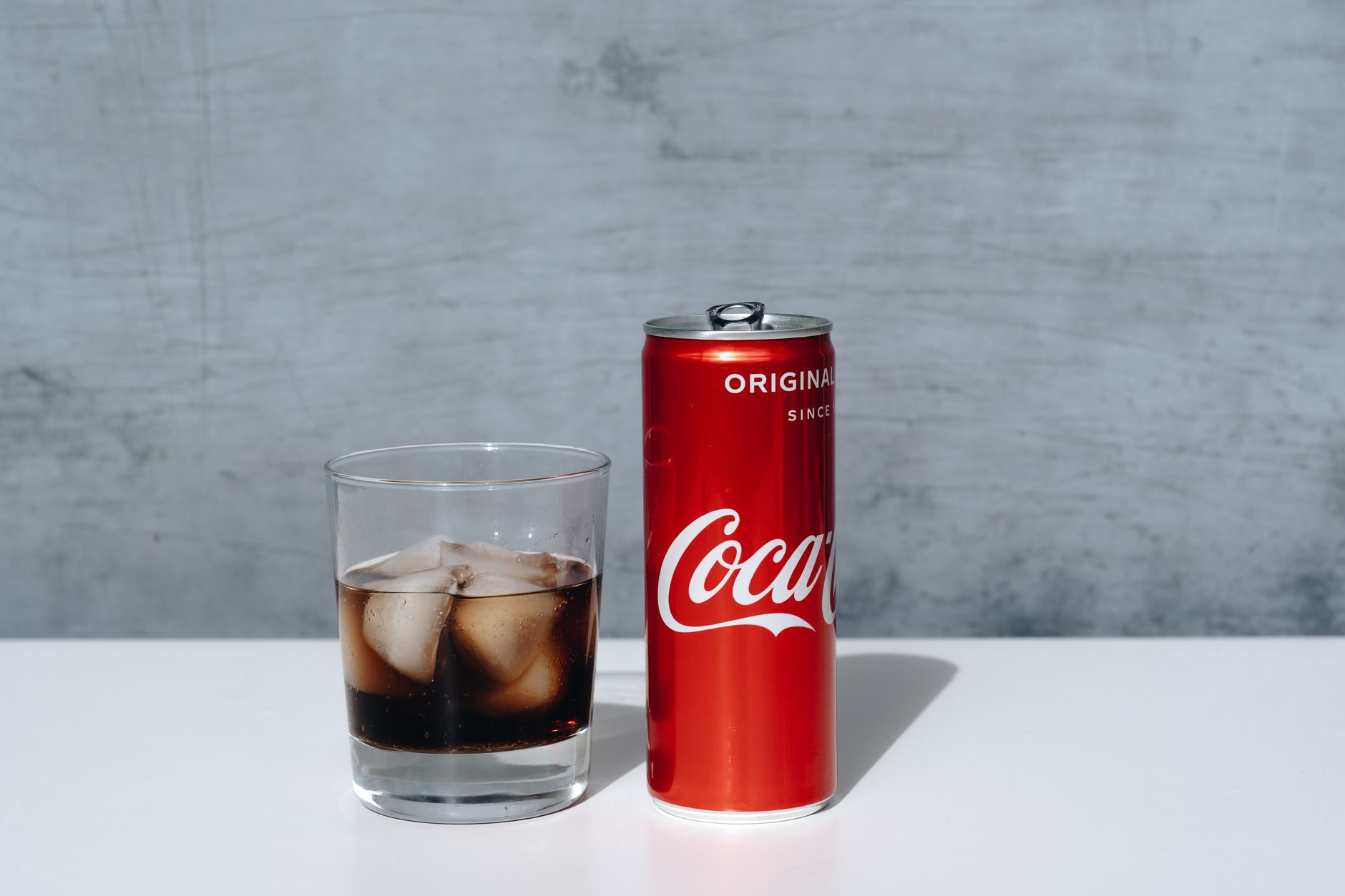
When it comes to the timeless cola rivalry, many enthusiasts argue that Coke is better than Pepsi. With distinct flavors, marketing strategies, and iconic branding, this debate can ignite passionate discussions among beverage lovers. Understanding why Coke resonates more with so many consumers is essential, especially if you’re looking to choose the right drink for a meal, party, or casual gathering.
This article will explore the numerous aspects that make Coke stand out, from its flavor profile and ingredients to its cultural significance. It will also touch on practical applications—whether you’re pairing it with meals or using it in cocktails, there’s plenty to learn about this classic beverage.
Coke Is Better Than Pepsi: What Are the Key Differences?
At their core, Coke and Pepsi are both cola beverages, but each has distinct flavor notes and branding that sets them apart. Coke has a more robust caramel flavor and a slight bite of vanilla, while Pepsi tends to be sweeter and citrusy. These differences influence which drink many choose for accompanying foods or creating mixed drinks.
Flavor Profile
Flavor is possibly the most immediate difference between Coke and Pepsi. While both share a common cola base, the individual taste experiences can vary significantly.
Coke’s Flavor Notes
Coke features a well-rounded taste with a perfect balance of sweetness and acidity. Its signature blend of caramel and vanilla undertones creates a familiar and comforting flavor profile. Here’s a breakdown of the primary taste characteristics:
- Sweetness: Balanced but not overwhelming, providing a rich mouthfeel.
- Acidity: A slight tartness enhances the refreshing quality.
- Aftertaste: The finish is smooth with subtle hints of caramel and vanilla lingering.
Pepsi’s Flavor Notes
On the other hand, Pepsi is often perceived as sweeter and less complex than Coke. Here are some of its primary flavor notes:
- Sweetness: More pronounced, which can lead to an almost syrupy texture.
- Citrus Hints: A noticeable citrus character enhances the overall sweetness.
- Aftertaste: A quicker finish with less lingering flavor, which some find refreshing, while others see it as lacking depth.
Ingredients and Nutritional Comparison
The ingredients used in both colas reflect their unique identities. A closer look reveals not only their flavor differences but also some nutritional aspects that may affect your choice.
Coke Ingredients
Coke’s classic formula primarily contains:
- Carbonated Water
- Sugar or High Fructose Corn Syrup
- Caffeine
- Caramel Color
- Phosphoric Acid
- Natural Flavors
- Caffeine
These ingredients contribute to its robust and signature flavor. The caffeine content in a 12 oz can is around 34 mg.
Pepsi Ingredients
Pepsi’s ingredient list includes:
- Carbonated Water
- Sugar or High Fructose Corn Syrup
- Caffeine
- Caramel Color
- Phosphoric Acid
- Citric Acid
- Natural Flavors
Just like Coke, Pepsi contains caffeine; a 12 oz can generally has about 38 mg. It’s also crucial to know these drinks are high in sugars, which could have implications for health when consumed excessively.
Cultural Impact of Coke
Coke enjoys a rich history and cultural relevance that enhances its brand. From iconic advertisements to its adoption in various events, its role in pop culture is undeniable.
Advertising Excellence
Coca-Cola is renowned for its innovative marketing campaigns. The “Share a Coke” campaign, for example, personalized bottles with popular names, enabling a connection with consumers on an individual level. Its holiday advertising featuring Santa Claus has become a tradition in many households.
Coke in Cuisine
Coke’s versatility extends beyond mere drinking. It is often used as a secret ingredient in various recipes, particularly in marinades and glazes, helping to tenderize meat and add a unique flavor. For example, using Coke in a pulled pork recipe can enhance the taste profile vividly.
Practical Uses of Coke in Meal Pairing and Cocktails
Deciding how to incorporate Coke into meals or cocktails can enhance your dining experience. Here are some popular pairings and recipes to try.
Pairing Coke with Meals
When it comes to meals, Coke pairs excellently with:
- Burgers: The rich flavors complement the meat, while the carbonation cuts through the grease.
- Spicy Barbecue Ribs: The sweetness of Coke enhances the smoky, spicy flavors.
- Fried Chicken: The contrast of textures and flavors creates a delightful balance.
Cocktail Recipes Using Coke
Coke can serve as a mixer in a variety of cocktails, adding depth with its unique flavor. Here are two popular cocktail recipes utilizing Coke:
Cuba Libre
The Cuba Libre is a classic cocktail that highlights the flavors of rum combined with Coke.
- Fill a glass with ice cubes.
- Add 2 oz of light rum.
- Top with 4 oz of Coke and a squeeze of fresh lime juice.
- Garnish with a lime wedge and enjoy.
Dr. Pepper Shot
This playful drink combines flavors that can elevate a party atmosphere.
- Pour 1 oz of amaretto liqueur into a shot glass.
- Fill a pint glass halfway with Coke.
- Drop the shot glass into the pint glass and drink immediately.
Coke vs. Pepsi: The Brand Loyalty Debate
The brand loyalty between Coke and Pepsi intensifies the debate over which is better. Each company has cultivated a dedicated following through diverse marketing strategies and product lines.
Coke’s Global Presence
Globally, Coke typically maintains a stronger market presence compared to Pepsi. Its flagship brand resonates well in many cultures and is often preferred. This dominance can be attributed to:
- Widespread availability.
- A well-established branding strategy.
- A diverse product line with options like Diet Coke, Coca-Cola Zero Sugar, and flavored variations.
Pepsi’s Youthful Image
Conversely, Pepsi has successfully branded itself as a youthful and vibrant drink. Its marketing campaigns often feature music stars and contemporary themes. Reasons for its appeal include:
- The “Pepsi Generation” slogan resonated with younger audiences.
- Collaborations with pop culture icons are prevalent.
- A diverse selection of beverages, including Diet Pepsi and flavored options.
Conclusion: Personal Preference Over Brand
The choice between Coke and Pepsi ultimately comes down to personal preference. Some people favor Coke for its deep, rich flavor, while others might lean towards Pepsi’s sweeter profile. Think about the context in which you plan to enjoy your drink, whether it’s pairing it with a meal or using it as a mixer in a cocktail.
Now that you’ve explored the nuances between these two colas, consider trying out Coke in your next meal or cocktail recipe. It could add that familiar flavor you’ve been missing. Explore more culinary ideas with Coca-Cola by checking out our recipe for Cuba Libre and the exciting Dr. Pepper Shot.