
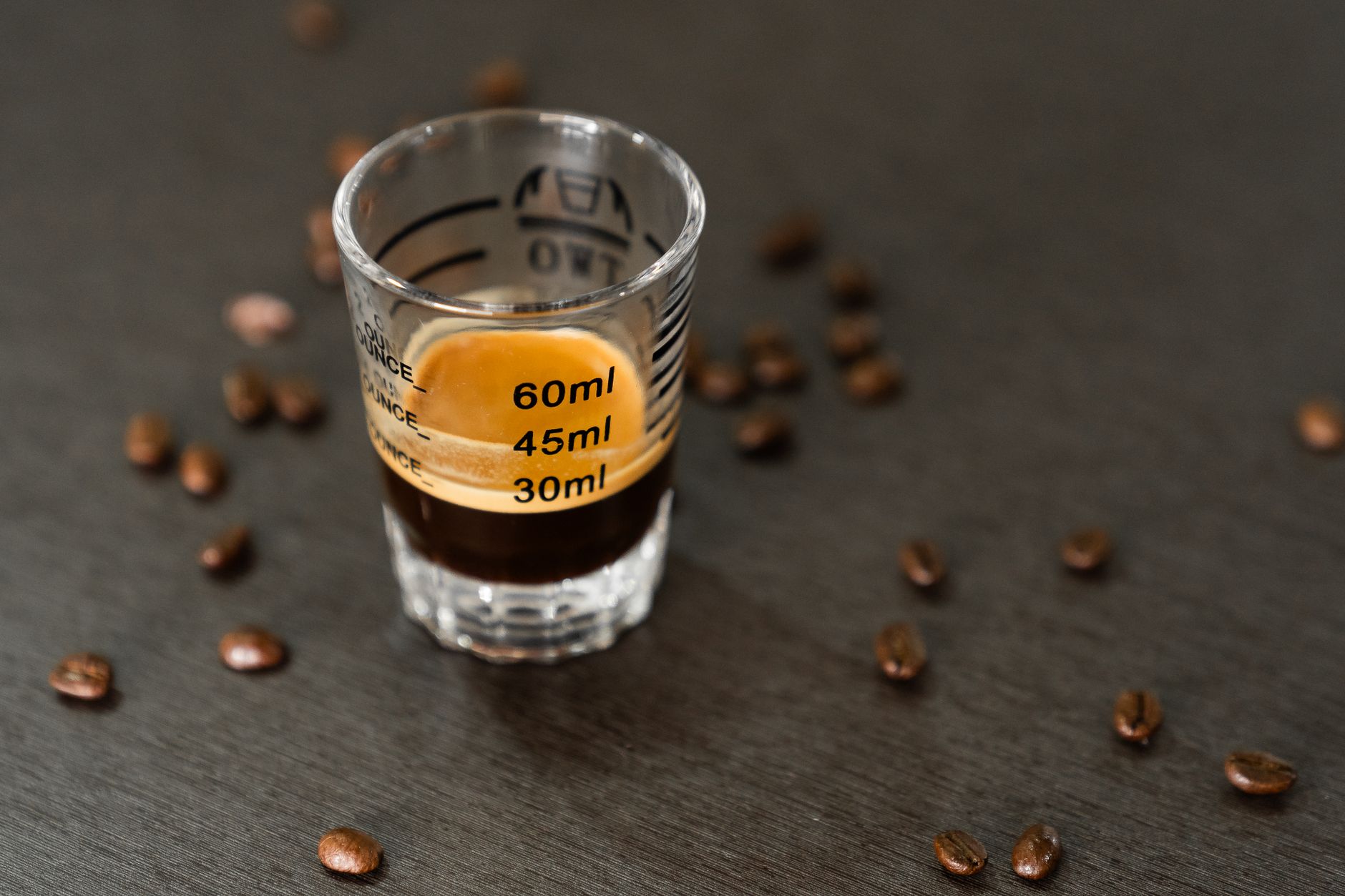
A shot is a common measurement in bartending and can refer to a serving of liquor or a cocktail. Typically, understanding shot measurements can significantly enhance your drink-making skills and overall knowledge of beverages. In this guide, we will break down how much a shot is in milliliters (mL), discuss various shot types, and provide practical applications to help you serve and enjoy beverages more effectively.
Whether you’re throwing a party, perfecting your bartending technique at home, or just curious about drink measurements, knowing the equivalent of a shot in mL is essential. In general, a standard shot equals 44.3 mL, but variations exist depending on the region and the type of shot served.
How Much Is A Shot In mL?
A standard shot in most countries is approximately 44.3 mL, which is often rounded to about 45 mL for simplicity. However, some regions may have different standard measurements for what constitutes a shot. In the United States, for example, the popular 1.5-ounce shot translates to 44.36 mL. In contrast, the UK considers a single shot to be around 25 mL or 35 mL for a double shot.
Understanding Shot Measurements
Understanding shot sizes is essential not only for bar settings but also for home bartenders. Knowing how to measure shots correctly helps maintain drink consistency and ensures proper alcohol serving sizes.
Types of Shots
Shots come in various types, serving sizes, and styles, each with its unique purpose and characteristics. Here are some common shot types you should be aware of:
- Standard Shot: A typical single serving, as outlined above, usually around 44.3 mL (1.5 ounces).
- Double Shot: This typically consists of two standard shots, usually totaling around 88.7 mL (3 ounces).
- Jigger Shot: Bartenders often use a jigger for precise measurements. A standard jigger holds about 1.5 ounces (44.3 mL) on one side and 1 ounce (29.6 mL) on the other.
- Baby Shot: A smaller shot often served as a tasting, usually measuring 20 mL.
- Layered Shot: These shots feature various layers of different liquors or liqueurs, carefully poured to create an eye-catching effect. The volume can vary based on how many layers the bartender chooses to include.
Region-Specific Measurements
Variations in the standard shot measurement exist across different regions. Here’s a breakdown:
- United States: 1.5 ounces (approximately 44.3 mL)
- Canada: 1.5 ounces (approximately 44.3 mL) for a standard shot, but may serve 1 ounce (approximately 29.6 mL) in some establishments.
- United Kingdom: Single shots can be either 25 mL or 35 mL depending on the establishment and local custom.
- Germany: A typical shot is around 20 mL, though it can vary based on the spirit served.
- Australia: Standard shots are 30 mL, a bit less than the American measure but still widely accepted.
Practical Applications for Shot Measurements
Knowing the size of a shot is essential for creating cocktails, accurately measuring alcohol content, and adhering to responsible drinking practices. Here are several practical applications of shot measurements:
Cocktail Recipes
When a recipe calls for a shot of a particular spirit, understanding the measurement allows you to create balanced and flavorful drinks.
Monitoring Alcohol Intake
By knowing how much is in a shot, you can better control your alcohol consumption and understand how different spirits contribute to your overall intake.
Bar Pricing
When working in or visiting a bar, knowing shot measurements can help you understand pricing structures, as drinks are often priced based on their shot content.
Measuring Shots Accurately
To ensure that you are measuring shots correctly, consider these methods:
Using a Jigger
A jigger is a bartender’s best friend and provides an accurate measurement of shots. Here’s how to use it:
- Choose which side of the jigger you want to use based on the required shot size (typically 1 ounce or 1.5 ounces).
- Fill the jigger to the top of the measurement line.
- Pour the spirits directly from the jigger into your glass or shaker.
Using a Shot Glass
If you do not have a jigger, a shot glass marked with measurement levels works as an alternative. Here’s a simple way to measure:
- Fill the shot glass to the rim for a standard 1.5-ounce shot.
- If your shot glass is not marked, consider measuring with a measuring cup first to understand its capacity.
Common Mistakes to Avoid When Measuring Shots
Knowing how to measure shots accurately also involves being aware of common errors that can happen. Here are some pitfalls to avoid:
- Ignoring Measurement Tools: Always use a jigger or measuring shot glass instead of estimating by pouring.
- Overfilling: Avoid dipping below the rim of the jigger; an overfilled shot can lead to waste or spills.
- Not Accounting for Dilution: If you’re using ice or mixers, account for how they might dilute the shot over time.
Alcohol Content and Responsible Drinking
Understanding shot measurement is also crucial for recognizing alcohol content. A standard shot of 44.3 mL typically contains about 40% alcohol by volume (ABV) for most spirits. Here’s how to understand this:
What is ABV?
ABV refers to the percentage of alcohol in a beverage. The higher the ABV, the more potent the liquor. This information helps guide responsible drinking, especially when planning a night out or mixing drinks.
Understanding Blood Alcohol Content (BAC)
Your BAC indicates how intoxicated you are based on your body weight, gender, and the quantity of alcohol consumed. A general rule of thumb is that one standard drink (like a shot) raises BAC by about 0.02% for most people. It’s important to be mindful of your BAC to ensure safety after consuming alcoholic beverages.
Serving Suggestions
Here are some classic serving ideas to help you enjoy shots and cocktails responsibly:
- Sipping Shots: Instead of downing your shot quickly, sip it to fully appreciate its flavor and warmth.
- Chasers: Pair a shot with a chaser, like soda or water, to balance the alcohol’s intensity.
- Layering Drinks: Create visually appealing layered shots for special occasions, but remember that presentation is secondary to taste!
Make-Ahead Shots and Cocktails
Some party shots can be prepped in advance, especially for events. Here are some ideas:
Freezable Shots
Certain drinks can be frozen in molds or shot glasses for cool treats. Experiment with fruity or creamy ingredients that blend well together.
Batch Cocktails
Prepare larger quantities of popular cocktails in advance. Measure by the shot, total the amount of each spirit, and mix in a pitcher to streamline service during gatherings.
Closing Thoughts
Knowing how much a shot is in milliliters can significantly enhance your understanding of drinks and improve your bartending skills. By mastering shot measurements, you can create delicious cocktails, manage responsible drinking, and gain confidence as a home bartender.
For more creative drink ideas or ways to serve unique shots, explore our Candy Shot Recipe or learn how to make a Key Lime Shot Recipe. Enjoy your adventures in cocktail crafting!