
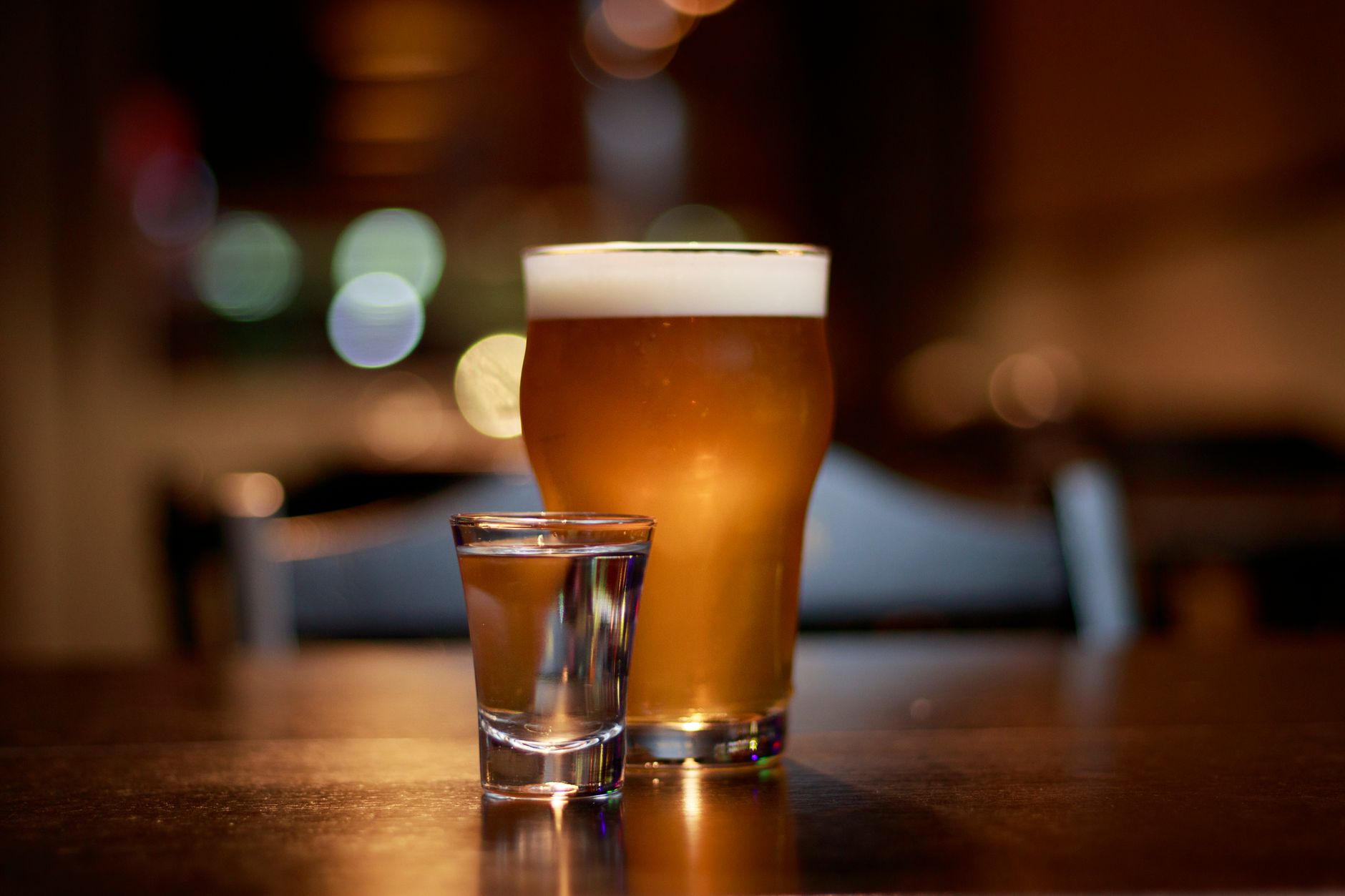
When it comes to social gatherings and celebrations, it’s common to find ourselves comparing different types of alcohol, especially when cocktails and beers are involved. The question “How many beers is a shot?” often arises in these conversations, and for many, it serves as a guide to understanding alcohol consumption. This guide will explore this comparison, the science of alcohol content, and how to enjoy your time responsibly.
Understanding the relationship between shots and beers not only helps people navigate their drinking choices but can also lead to greater awareness of responsible drinking practices. The alcohol by volume (ABV) content of various beverages will play a significant role in this discussion, as well as the effects of drinking on your body. Join us as we break down the elements of this query.
How Many Beers Is A Shot?
To answer the question directly: one standard shot of distilled spirits (typically 1.5 ounces) is roughly equivalent to one regular beer (12 ounces at about 5% ABV) in terms of alcohol content. This means that consuming one shot of liquor is comparable to having one standard beer in terms of alcohol intake.
Understanding Alcohol Content
Before diving deeper into the comparison, it’s essential to understand how alcohol content is measured. The alcohol by volume (ABV) percentage indicates the strength of the beverage. Here are some common alcoholic beverages and their typical ABV percentages:
- Beer: Generally ranges from 4% to 6% ABV, with session ales being lower and IPAs tending to be higher.
- Wine: Usually has an ABV of 9% to 14%.
- Spirits: Typically, distilled spirits such as vodka, whiskey, and rum have an ABV around 40%.
Calculating the Equivalence
To equate a shot of liquor to beer, we can use the following formula:
- 1 standard shot = 1.5 ounces of liquor (about 40% ABV)
- 1 regular beer = 12 ounces of beer (about 5% ABV)
This equivalence illustrates how different forms of alcohol can be compared based solely on their ABV. A standard shot typically contains the same amount of pure alcohol as a 12-ounce beer.
Why This Comparison Matters
Understanding how many beers equal a shot is important for responsible drinking. Many factors influence how alcohol affects individuals, including body weight, gender, and food intake. Knowing the equivalence can help you pace yourself during social events and make informed choices about alcohol consumption.
The Effects of Alcohol on the Body
It’s crucial to recognize how alcohol affects the body. Consuming one shot or one beer may feel different to different people. Here are some factors affecting alcohol metabolism:
- Body Weight: Heavier individuals usually require more alcohol to feel effects compared to lighter individuals.
- Gender: Women typically have a higher body fat percentage and lower body water percentage than men, which can affect alcohol distribution.
- Food Intake: Drinking on an empty stomach can lead to quicker absorption of alcohol.
Average Time for Alcohol Metabolism
Understanding how long it takes for alcohol to leave your system is also crucial for responsible consumption. On average, the body metabolizes about one standard drink per hour. This time can vary based on the individual and their specific body composition. Here’s a breakdown:
- 1 shot of liquor: Approximately 1 hour
- 1 beer: Approximately 1 hour
- 1 glass of wine: Approximately 1 hour
Be mindful of these averages during social settings, especially if planning to drive or operate machinery afterward.
Tips for Responsible Drinking
Drinking responsibly enhances your enjoyment while minimizing health risks. Here are some useful tips for keeping a safer approach:
- Pace Yourself: Alternate between drinks. Consider a glass of water between each alcoholic beverage to stay hydrated.
- Know Your Limits: Pay attention to how alcohol affects you personally and establish your threshold before jumping into rounds.
- Eat Before and While Drinking: Consuming food can minimize the effects of alcohol and help maintain your pace.
- Don’t Feel Pressured: Don’t feel obligated to keep up with others when drinking.
Variations to Consider
While we’ve focused primarily on standard measures, understanding that servings can vary is vital. Here are a few variations to keep in mind:
Bottled Beers and Craft Beers
Craft beers often have a higher ABV, sometimes reaching 8% to 12%. Thus, one craft beer may equal more than one shot based on its alcohol content. Always check the label to be informed.
Pre-mixed Cocktails and Hard Seltzers
Hard seltzers and pre-mixed cocktails can vary significantly in ABV. Some hard seltzers are around 5%, while others can be higher. Always verify the ABV before considering it equivalent to a shot or a standard beer.
Low- or No-Alcohol Options
There are now many low- and no-alcohol options available that mimic the taste of traditional beverages. A large number of these are present on the market, often falling into the category of “0.0% ABV.” While they might not behave the same regarding blood-alcohol levels, they can still be enjoyed without the effects of traditional alcohol.
Common Mistakes While Drinking
A few common blunders can often lead to unintentional overconsumption:
- Mixing Beverages: Combining different types of alcohol can lead to quicker intoxication, even if you’re sticking to the standard shots or beers.
- Rushing: Taking shots in quick succession can lead to rapid intoxication. Always take your time.
- Ignoring Personal Limits: Think only about the amount of alcohol rather than how it’s affecting you. Pay attention to your body’s signals.
Enjoying Alcohol Responsibly
With knowledge comes responsibility. Enjoy your drinks, but stay aware of your consumption patterns. Here are some final tips to maximize your enjoyment and minimize risks:
- Choose Lighter Beverages: Opt for lower ABV drinks during long events to avoid getting overly intoxicated.
- Participate in Moderation: Social events are about gathering with friends more than just drinking.
- Use a Designated Driver: Always have a plan for transportation if you choose to consume alcohol.
Health Considerations
Beyond just moderation, be aware of the health implications of alcohol consumption. Some people may want to avoid alcohol entirely due to health issues or personal preferences. It’s beneficial to be respectful of these choices in social settings as well.
What to Do if You or Someone Else Over-Consumes
If you or someone else has consumed too much alcohol, understanding the signs and knowing how to act quickly is critical:
- Signs of Over-Consumption: Be aware of signs of excessive drinking, including confusion, vomiting, or difficulty standing.
- Seek Help: If you notice someone is seriously affected, don’t hesitate to call for medical assistance.
- Stay Calm: Keep a sober head and assess the situation calmly to help yourself or others.
Remember, enjoying alcohol in moderation leads to the best experiences during social gatherings. Understanding how many beers constitute a shot provides you with a tool for responsible drinking.
This insight bolsters better decision-making about alcohol consumption and serves as a controlled guide for future festivities. Remember to stay safe and responsible.
For more fun drinking adventures, explore recipes like the Candy Shot or try making the festive Mexican Candy Shot for your next gathering!