
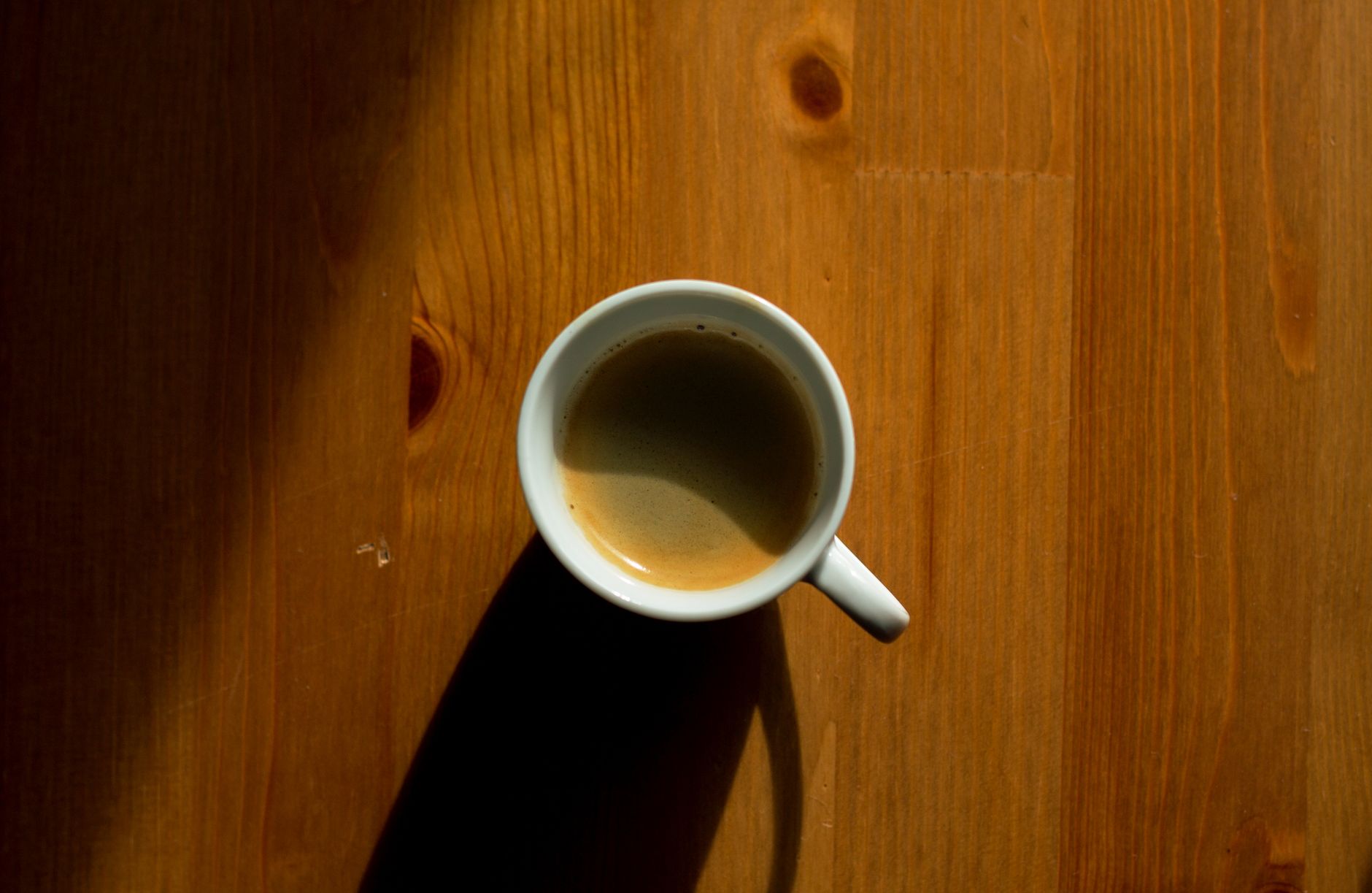
Espresso is one of the most popular coffee beverages worldwide, characterized by its bold flavor and concentrated shot of caffeine. Many coffee enthusiasts enjoy starting their day with an espresso shot, but understanding how much caffeine it contains is essential for managing your intake. This article explores the caffeine content of a typical espresso shot, along with interesting facts and tips regarding espresso.
The caffeine content in a single shot of espresso can vary based on several factors, such as the coffee bean type, the brewing method, and even the espresso machine used. A standard serving typically contains about 63 milligrams of caffeine. However, this amount can fluctuate slightly depending on the specific conditions involved in making the espresso.
How Much Caffeine Is in One Espresso Shot?
On average, one standard shot of espresso contains approximately 63 milligrams of caffeine. This quantity can vary based on the espresso bean used, the roast level, and the extraction time during brewing. Generally, lighter roasts have slightly higher caffeine content, while darker roasts may have less due to the roasting process.
It’s essential to note that espresso shots are typically much smaller than brewed coffee. A standard espresso shot is about 1 ounce (30 ml) in volume, while an average cup of brewed coffee is usually around 8 ounces (240 ml) or more. Thus, espresso is more concentrated, giving it a more potent caffeine hit relative to the volume.
Factors Influencing Caffeine Levels in Espresso
Several factors can influence how much caffeine a shot of espresso contains:
- Type of Coffee Bean: Different coffee varieties have different caffeine contents. Arabica beans generally have less caffeine than Robusta beans.
- Roasting Method: Light roasts tend to have higher caffeine levels than dark roasts as the longer roasting process can burn off some caffeine.
- Brewing Time: The longer the coffee grounds are in contact with hot water, the more caffeine can be extracted. However, espresso brewing times are typically short (around 25-30 seconds), which affects caffeine extraction.
- Grind Size: A finer grind increases the surface area of the coffee exposed to water, which can lead to a more efficient extraction of caffeine.
- Serving Size: The volume of the shot and the amount of coffee used during brewing will also impact overall caffeine content.
A Comparison: Espresso vs. Brewed Coffee
When comparing caffeine content, espresso often comes out on top concerning milligrams per ounce. Here’s a look at how espresso stacks up against brewed coffee:
| Type of Coffee | Serving Size (oz) | Caffeine Content (mg) |
|---|---|---|
| Espresso | 1 | 63 |
| Brewed Coffee | 8 | 95-200 |
As this table shows, while brewed coffee generally has a higher total caffeine content per serving, espresso offers a greater concentration of caffeine for its smaller volume. Therefore, if you’re looking for a quick, impactful jolt of energy, espresso is an excellent choice.
Health Considerations
Caffeine can affect everyone differently, with factors like tolerance, sensitivity, and the rate of metabolism playing significant roles. Here are some important points to consider when consuming espresso:
- Moderation: For most adults, a general recommendation is to limit caffeine intake to about 400 milligrams per day, which equates to around six shots of espresso. However, individual tolerance can vary.
- Potential Benefits: Moderate caffeine consumption can provide various benefits, including improved focus, enhanced physical performance, and even reduced risk of specific diseases, according to some studies.
- Potential Risks: Excessive caffeine intake can lead to side effects such as nervousness, restlessness, insomnia, and even heart palpitations.
How to Make Your Own Espresso
If you’re interested in experiencing the rich flavor of espresso at home, you’ll need some essential equipment and carefully chosen ingredients. Here’s a basic guide to making espresso:
Essential Equipment
- Espresso machine or stovetop espresso maker
- Quality coffee grinder
- Fresh coffee beans (preferably espresso roast)
- Tamper
- Scale for measuring coffee
- Portafilter
Ingredients
- 18-20 grams of finely ground coffee (for a double shot)
- Filtered water (appropriate for your espresso machine)
Basic Steps to Make Espresso
- Start by preheating your espresso machine for about 15 minutes to ensure optimal brewing temperature.
- Measure and grind your coffee to a fine consistency, aiming for 18-20 grams for a double shot.
- Tamp the coffee grounds in the portafilter, applying even pressure to create a uniform surface.
- Lock the portafilter into the machine, and place your cup underneath.
- Start the brewing process and watch for the espresso to flow. A typical shot should take between 25-30 seconds to extract.
- Once the espresso is ready, serve immediately to enjoy the rich aroma and flavor.
Common Mistakes When Brewing Espresso
Making espresso may seem simple, but there are common pitfalls to avoid to ensure the best results:
- Incorrect Grind Size: If the grind is too coarse, your espresso may be weak with insufficient crema. A grind that is too fine can lead to over-extraction, resulting in a bitter flavor.
- Poor Tamping Technique: Uneven tamping can cause channeling, where water flows unevenly through the coffee grounds, leading to inconsistent extraction.
- Inconsistent Beans: Always use freshly roasted, high-quality coffee beans for the best flavor.
Espresso Variations
Espresso is the foundation for various popular coffee beverages. Here are some common variations you can enjoy:
- Ristretto: A shorter extraction of espresso that yields a sweeter, more concentrated shot.
- Lungo: An extended espresso shot with more water, resulting in a milder flavor.
- Americano: Espresso diluted with hot water, offering a flavor profile closer to brewed coffee but with a smooth finish.
- Macchiato: Espresso “stained” with a small amount of steamed milk, adding creaminess.
- Cappuccino: A blend of equal parts espresso, steamed milk, and frothed milk for a rich and creamy texture.
Espresso-Based Drinks to Try
Feeling adventurous? Consider these delicious espresso-based concoctions:
- Ketel One Espresso Martini: A cocktail combining the flavors of espresso and vodka, perfect for unwinding after a long day.
- Brown Shaken Espresso: A refreshing twist on traditional espresso, shaken with sweeteners and ice for a cold treat.
Final Thoughts
The caffeine content of a single espresso shot typically hovers around 63 milligrams, making it a concentrated source of energy compared to other coffee drinks. Understanding the factors that influence caffeine levels can help you better manage your intake and enjoy your espresso experience to the fullest. Whether you’re making espresso at home or enjoying a cup from your favorite café, knowing how much caffeine is in your shot can enhance your coffee enjoyment and help you create your perfect beverage.
Explore related recipes, cooking tips, or food guides to enhance your culinary journey at our site. Check out our Ketel One Espresso Martini Recipe and the Brown Shaken Espresso Recipe for exciting ways to incorporate espresso into delightful drinks.