
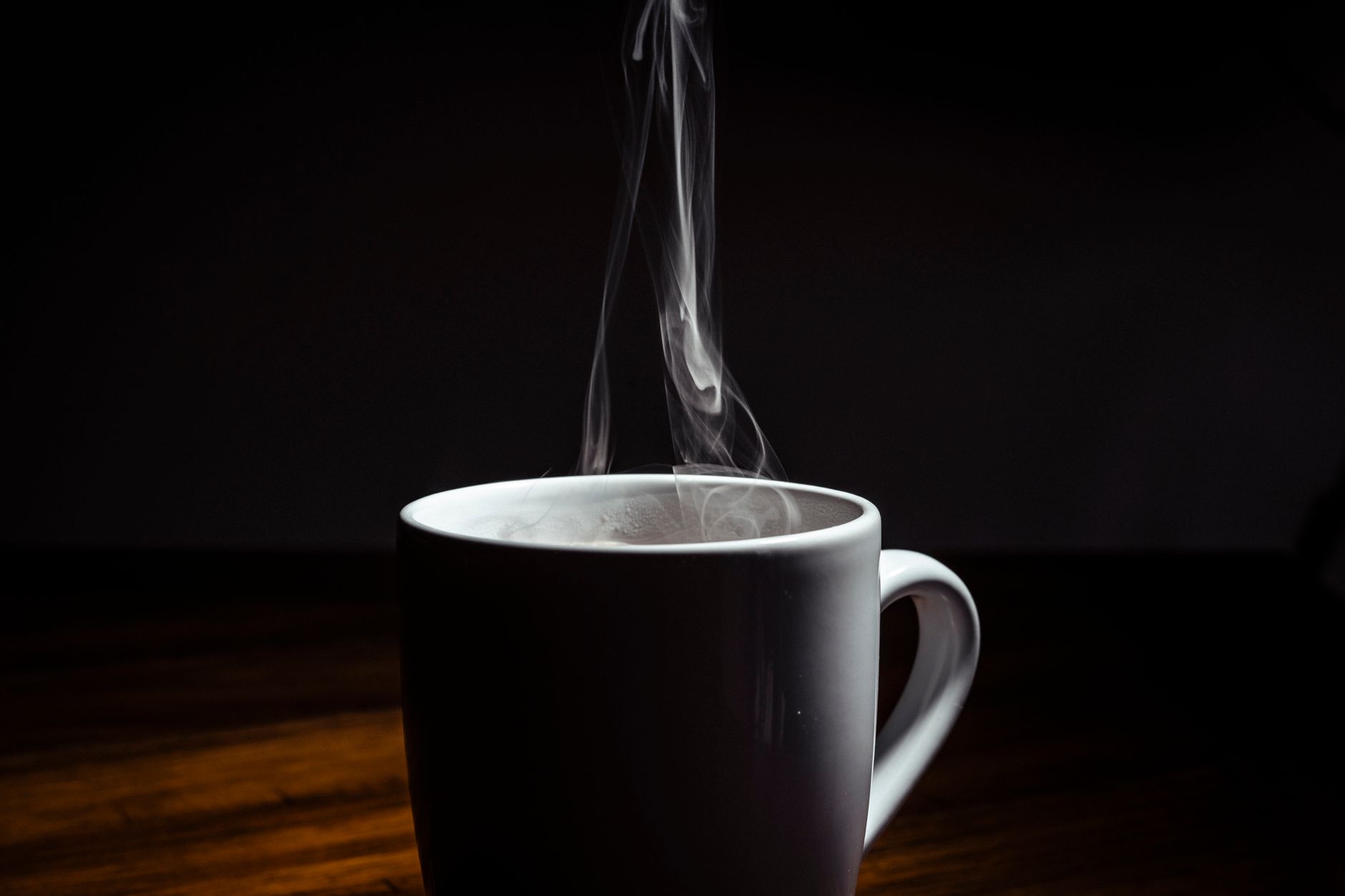
Fasting has become an increasingly popular practice for various reasons, from weight management to mental clarity. As people explore different methods of fasting, questions about what can be consumed during these periods arise. One common question is whether coffee can be consumed during fasting periods.
This article delves into the role of coffee during fasting, examining its effects on the body, potential benefits and drawbacks, and how to incorporate it into your fasting regimen if you choose to do so.
Is Coffee Allowed During Fasting?
Yes, coffee is generally allowed during fasting. However, the specifics depend on the type of fasting you are undertaking, your goals, and how your body reacts to coffee.
Understanding Fasting
Fasting involves a voluntary abstention from food and drink for a specific period. While traditional fasting typically excludes all food and drink, there are various styles of fasting, such as intermittent fasting, which allows certain beverages during fasting windows.
The most common types of fasting include:
- Intermittent Fasting: Involves cycling between periods of eating and fasting. Popular methods include the 16/8 method (fast for 16 hours, eat during an 8-hour window) and the 5:2 diet (consume only 500-600 calories on two non-consecutive days of the week).
- Prolonged Fasting: Longer fasting periods, typically lasting over 24 hours, where individuals abstain from all food and often beverages.
- Religious Fasting: Often follows specific guidelines about what can be consumed based on spiritual practices.
The Role of Coffee During Fasting
Coffee is a low-calorie drink, typically containing minimal calories when consumed black. This quality makes it a favored choice for many people during fasting periods. However, the impact of coffee on fasting can vary based on individual responses to caffeine and the additives included.
Types of Coffee and Their Effects on Fasting
When considering coffee during fasting, it’s essential to know the type of coffee and how it might affect your fasting experience:
Black Coffee
Black coffee, made without any additives, is usually considered acceptable during fasting. It’s low in calories and can help suppress appetite while providing a dose of caffeine. The caffeine can enhance focus and energy, which can be beneficial during fasting.
Espresso
Similar to black coffee, espresso is a concentrated form of coffee with a robust flavor. It has the same calorie-free benefits as black coffee and can aid in appetite suppression and energy enhancement during fasting.
Incorporating Additives
Additions such as sugar, cream, or milk can introduce calories that might break a fast, depending on your fasting goal. Even small amounts can affect insulin levels and stomach behavior, undermining the effects of fasting.
Decaf Coffee
Decaffeinated coffee is also a permissible option during fasting. It contains minimal calories and caffeine, allowing you to enjoy the flavor of coffee if you have caffeine sensitivities.
Health Benefits of Coffee During Fasting
In addition to being allowed during fasting, coffee has several potential health benefits that can support fasting objectives:
- Appetite Suppression: Many people find that consuming coffee helps curb their hunger, making it easier to stick to fasting periods.
- Enhanced Focus and Energy: The caffeine in coffee can improve cognitive function and energy levels, which may enhance productivity during fasting times.
- Antioxidant Properties: Coffee is rich in antioxidants, which can offer protective benefits against oxidative stress while you are fasting.
- May Support Metabolism: Some studies suggest coffee may enhance metabolic rates and fat oxidation.
Potential Drawbacks of Coffee During Fasting
While coffee may have numerous benefits, there are potential drawbacks that some individuals should consider while fasting:
- Increased Anxiety or Jitters: High levels of caffeine can lead to anxiety or restlessness for some people, especially on an empty stomach.
- Dehydration: Coffee is a diuretic, which can lead to increased urination. Hence, it’s crucial to balance coffee consumption with adequate water intake.
- Heartburn or Digestive Issues: For some people, caffeine can exacerbate digestive problems or cause discomfort when consumed on an empty stomach.
How to Enjoy Coffee While Fasting
If you decide to drink coffee while fasting, consider the following tips for maximizing benefits and minimizing drawbacks:
Stick to Black Coffee
To avoid breaking your fast, consume only plain black coffee without sugar or milk.
Monitor Caffeine Intake
Pay attention to how your body reacts to caffeine during fasting. If you experience negative effects, try reducing your intake or switching to decaf.
Hydrate Well
Make sure to drink enough water alongside your coffee to prevent dehydration.
Time Your Coffee Intake
Consider timing your coffee consumption to coincide with your fasting and eating windows, especially if you experience stomach discomfort.
Common Questions About Coffee and Fasting
Can I Add Cream or Sweeteners to My Coffee During Fasting?
Adding cream, sugar, or other calorie-containing sweeteners may break your fast, depending on how strict your fasting protocol is. For those focusing on intermittent fasting for weight loss or insulin sensitivity, it is advisable to avoid these additives.
How Does Coffee Affect Intermittent Fasting?
When consumed black, coffee generally does not interfere with the benefits of intermittent fasting and may even enhance certain effects, such as appetite suppression. However, it’s essential to be mindful of your body’s response.
Is Cold Brew Coffee Allowed During Fasting?
Like regular black coffee, cold brew coffee is typically low in calories and can be consumed during fasting periods without breaking the fast.
Conclusion
Coffee is allowed during fasting, provided you consume it black or with minimal additives. It offers several potential benefits, such as appetite suppression, increased energy, and antioxidant properties, but it’s essential to consider the individual response to caffeine consumption.
Remember to listen to your body, stay hydrated, and adjust your coffee intake to fit your fasting goals. If coffee enhances your fasting experience, embrace it, but if it causes discomfort or adverse effects, it might be worth exploring alternatives.
For more delightful beverage ideas, you might want to check out this iced coffee concentrate recipe or indulge in a classic brown sugar coffee recipe.