
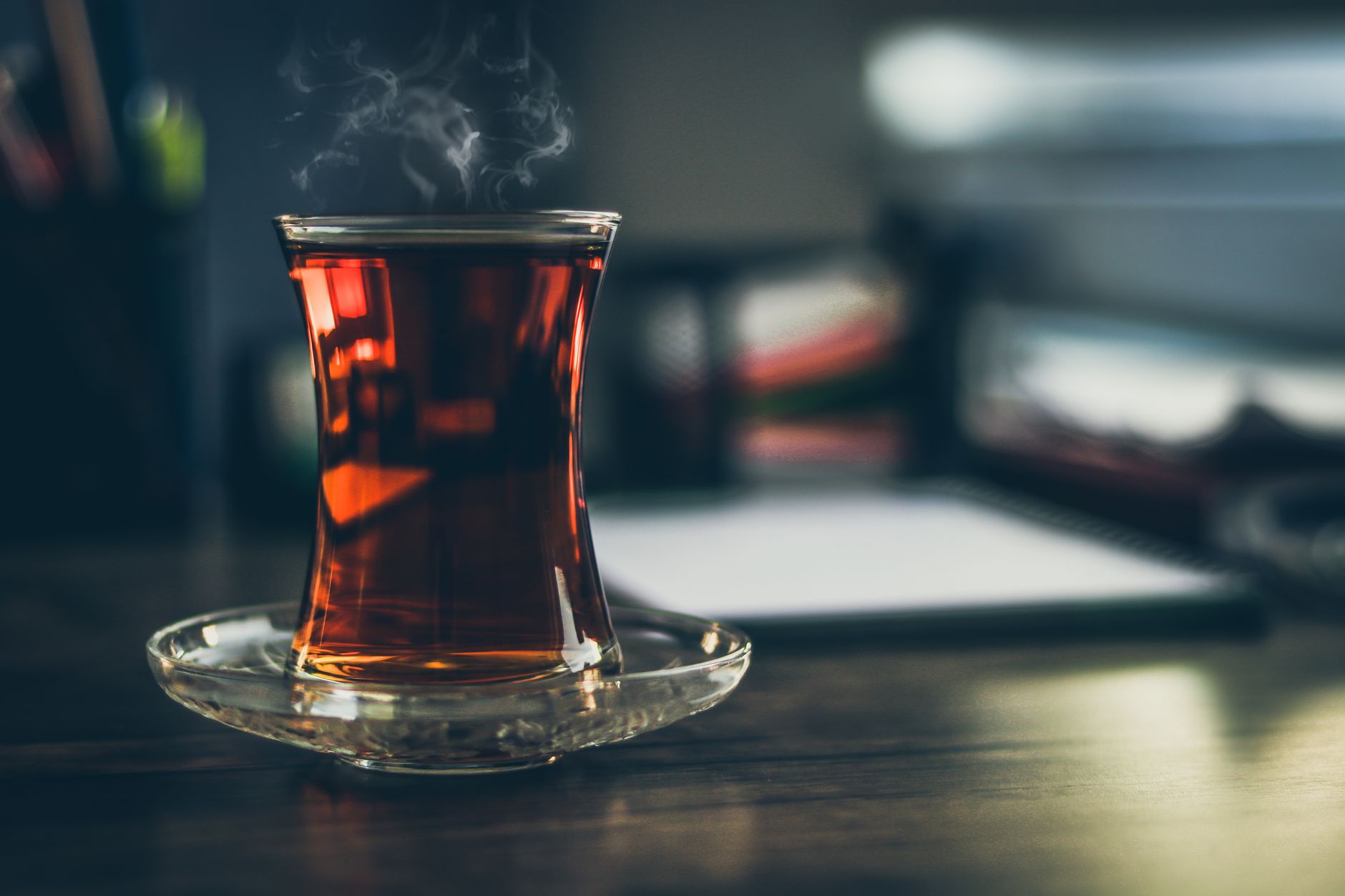
Hot tea has been enjoyed for centuries, renowned not only for its delightful flavors but also for its potential health benefits. But is hot tea truly good for you? This article delves into the various types of hot tea, their health benefits, and some tips for brewing and enjoying them to your fullest advantage.
From classic black and soothing green tea to herbal and specialty blends, each type brings unique qualities that contribute to well-being. Let’s explore the numerous advantages of hot tea, how to prepare it, and ways to make the most of your tea experience.
Is Hot Tea Good For You?
Yes, hot tea can be good for you. Rich in antioxidants and other beneficial compounds, different types of tea may contribute to improved heart health, hydration, and even mental clarity. However, it’s important to choose the right type and brew it properly to maximize its health benefits.
The Health Benefits of Hot Tea
Antioxidant Properties
One of the key health benefits of hot tea is its high antioxidant content. Antioxidants help combat oxidative stress in the body, which can lead to chronic diseases. The primary antioxidants found in tea, such as catechins in green tea and theaflavins in black tea, play a critical role in reducing inflammation and promoting overall health.
Heart Health
Studies suggest that regular consumption of hot tea may contribute to cardiovascular health. Black and green teas have been linked to lower cholesterol levels and improved arterial function, reducing the risk of heart disease. Regular tea drinkers may experience better blood circulation which is vital for a strong heart.
Mental Clarity and Focus
The caffeine content in tea, typically lower than that in coffee, provides a gentle boost in energy and alertness without the jitters. Combined with L-theanine, an amino acid found in tea, this can enhance focus and promote relaxation, making it an excellent choice for those needing a mental boost.
Hydration
Hot tea can contribute to your daily hydration needs. While caffeine is a mild diuretic, the overall hydrating effects of tea can outweigh this, making it a refreshing way to stay well-hydrated.
Digestive Support
Many herbal teas, such as peppermint and ginger, can aid digestion and alleviate symptoms of indigestion. Hot tea can be soothing to the digestive tract and may encourage healthy digestion when consumed after meals.
Types of Hot Tea
There is a diverse world of hot teas, each with unique flavors and benefits. Here’s a guide to some of the most popular types of tea:
Green Tea
Green tea is celebrated for its high levels of antioxidants and is often associated with weight loss and improved metabolism. It has a fresh, grassy flavor and is often enjoyed plain or with a splash of lemon.
Black Tea
Black tea is fully oxidized, resulting in a robust flavor and a higher caffeine content compared to other teas. It’s often enjoyed with milk and sugar and offers benefits for heart health and mental alertness.
Herbal Tea
Herbal teas are not technically teas but are made from herbs, fruits, and spices. They come in many varieties, offering caffeine-free options that can soothe ailments or promote relaxation—such as chamomile for sleep or peppermint for digestion.
Oolong Tea
Oolong tea is a semi-oxidized tea sitting between green and black tea in flavor and color. It is known for promoting weight loss and improving brain function.
White Tea
White tea is the least processed of all tea types and is prized for its delicate flavor and floral notes. It has high antioxidant levels and is believed to support skin health.
How to Brew Hot Tea
Brewing the perfect cup of hot tea is an art that involves knowing the right temperatures, steeping times, and techniques. Here’s a step-by-step guide to brewing your tea:
Essential Equipment
- Teapot or tea infuser
- Filtered water
- Thermometer (optional for precision)
- Teacup or mug
Step-by-Step Brewing Method
- Choose Your Tea: Select the type of tea you want to brew and ensure you have the correct leaves.
- Measure the Tea: Use 1 teaspoon of loose tea leaves or 1 tea bag per cup of water.
- Heat the Water: Use the appropriate temperature for your tea:
- Green: 160-180°F (71-82°C)
- Black: 200-212°F (93-100°C)
- Oolong: 190-200°F (88-93°C)
- White: 160-185°F (71-85°C)
- Steep the Tea: Pour the hot water over the tea leaves and steep for:
- Green: 2-3 minutes
- Black: 3-5 minutes
- Oolong: 4-7 minutes
- White: 4-5 minutes
- Remove the Tea Leaves: Once steeped, remove the leaves or tea bag to prevent bitterness.
- Add Optional Ingredients: Enhance your tea with honey, lemon, or milk if desired.
- Enjoy: Sip slowly and appreciate the flavors and aromas.
Practical Tips for Enjoying Hot Tea
To maximize your tea experience, consider these practical tips:
- Experiment with Blends: Don’t hesitate to mix different types of tea or add herbs and spices for unique flavors.
- Mind the Temperature: Avoid drinking tea immediately after brewing. Let it cool slightly to prevent burns and to better enjoy the flavors.
- Use Quality Ingredients: Opt for high-quality loose leaf tea for superior flavor and benefits. If using tea bags, look for whole leaf bags.
- Store Properly: Keep tea in an airtight container, away from light and moisture to preserve its flavors and health properties.
- Mind Your Caffeine: If you’re sensitive to caffeine, opt for herbal teas or decaffeinated varieties.
Common Mistakes When Brewing Tea
A few common mistakes can affect the taste and health benefits of your tea:
- Oversteeping: Steeping tea too long can result in bitterness. Follow recommended steeping times.
- Wrong Temperature: Using water that’s too hot can scorch delicate green teas and make them taste harsh.
- Using Cold Water: For best results, start with cold, fresh water and avoid reheating previously boiled water.
Storage and Longevity of Tea
Keep your tea leaves fresh by adhering to these storage guidelines:
- Airtight containers: Store tea in air-tight containers to prevent moisture and odors.
- Dark place: Keep your tea away from direct sunlight.
- Cool temperatures: Avoid heat sources; a cool cupboard is ideal.
Generally, loose leaf tea can last up to 1-2 years if stored properly, while herbal teas may have a shorter shelf life of about 6 months to 1 year due to their organic ingredients.
Variations and Substitutions for Hot Tea
If you’re looking to customize your tea, here are some suggestions for making tasty variations:
- Sweeteners: Substitute honey, agave syrup, or stevia for sugar or use flavored syrups for a unique twist.
- Milk Alternatives: Experiment with almond milk, oat milk, or coconut milk for a creamy option.
- Flavor Infusions: Add spices such as cinnamon, ginger, or cardamom to enhance flavor.
Conclusion
Hot tea offers numerous health benefits along with a comforting experience. By choosing high-quality tea, paying attention to brewing techniques, and exploring different types and flavors, you can enhance both your enjoyment and the potential health advantages of tea. As a practical next step, consider enjoying a soothing herbal tea like chamomile for relaxation or an energizing green tea in the morning.
For more tea inspiration, check out our recipes for cardamom tea and anti-inflammatory tea. Discover the endless possibilities within each cup!