
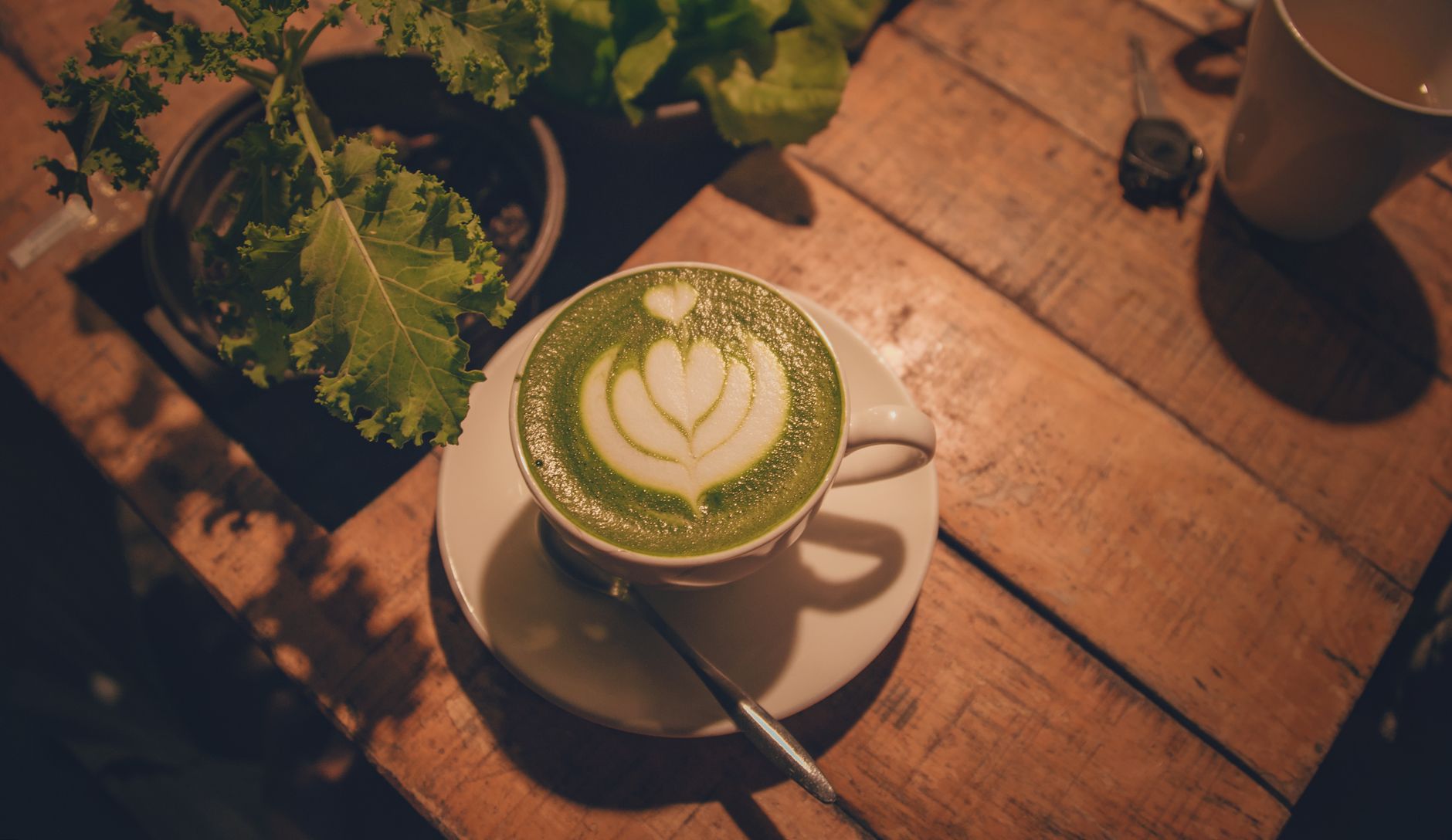
Green tea is not just a refreshing beverage; it is also steeped in tradition and health benefits. Understanding how to drink green tea properly can enhance your experience and ensure you reap its advantages. This guide covers everything you need to know, from selection and preparation to serving suggestions and health tips.
Whether you are new to green tea or looking to refine your brewing technique, this comprehensive guide will provide you with insights and practical tips to enjoy this exquisite drink fully.
How To Drink Green Tea?
To drink green tea, choose high-quality leaves, brew them at the right temperature, and steep for an appropriate amount of time. Serve plain or with mild flavor enhancers for a delightful experience. Proper preparation maximizes the flavor and health benefits of green tea.
The Basics: Understanding Green Tea
Before diving into the preparation methods, it’s essential to understand what green tea is. Derived from the Camellia sinensis plant, green tea is made from unoxidized leaves, which helps retain its green color and natural antioxidants. The flavor varies based on the region, processing, and specific types of leaves used, ranging from fragrant and floral to grassy and vegetal.
Selecting Quality Green Tea
The quality of green tea greatly impacts the taste and benefits. Here are some things to consider when selecting your tea:
- Type: Some popular types of green tea include Sencha, Matcha, and Gyokuro. Each has its flavor profile and preparation method.
- Origin: Japanese and Chinese varieties offer different flavors. Japanese green teas tend to be sweeter, while Chinese versions may have a nuttier profile.
- Form: Loose leaf tea often provides a fresher taste than tea bags, which can contain lower-quality leaves.
- Freshness: Check packaging dates. Green tea is best consumed fresh, ideally within a year of harvest.
Tools & Equipment Needed
Having the right tools can drastically improve your green tea experience. Here’s what you might need:
- Teapot or Gaiwan: A teapot is perfect for brewing loose leaf tea, while a Gaiwan allows you to appreciate the leaves as they unfurl.
- Teaspoon or Scale: For measuring tea leaves accurately.
- Water Kettle: A kettle with temperature control ensures you reach the ideal brewing temperature for maximum flavor without bitterness.
- Tea Strainer: Essential for removing loose leaves after steeping.
- Temperature Gauge: Optional but useful for precise brewing temperatures.
Preparing Green Tea: The Steps
The steps to prepare green tea are straightforward but require attention to detail for the best results. Here’s how to brew an excellent cup of green tea:
- Boil Water: Begin by boiling water. The ideal temperature for most green teas is between 160°F and 185°F (70°C – 85°C). If you lack a temperature-controlled kettle, let boiled water cool for a few minutes.
- Measure Tea Leaves: Use about 1 teaspoon of loose leaf tea per cup (8 oz) of water. For higher quality teas like Gyokuro, you might use slightly less.
- Add Water: Pour the hot water over the tea leaves in your teapot or Gaiwan.
- Steep: Allow the tea to steep for 1 to 3 minutes. The exact time depends on the type of tea; delicate varieties may require less time, while heartier types can steep a bit longer.
- Strain and Serve: After steeping, strain the tea to remove the leaves. Serve immediately.
Flavor Enhancements and Variations
While green tea is delightful on its own, some may want to enhance its flavor. Here are a few popular options:
- Sweetener: A touch of honey or agave syrup can add sweetness without overwhelming the tea’s natural flavors.
- Mint: Add fresh mint leaves for a refreshing twist.
- Citrus: A slice of lemon or a dash of lime juice adds brightness to the taste.
- Milk or Cream: Although not traditional, some enjoy a splash of milk or cream to mellow the flavors, similar to chai.
Common Mistakes to Avoid
To ensure you make the most out of your green tea, steer clear of these common mistakes:
- Using Boiling Water: Boiling water can scorch the leaves and lead to bitterness. Always check your water’s temperature.
- Oversteeping: Allowing the tea to steep too long will make it bitter. Stick to the recommended steeping times.
- Low-Quality Tea: Opt for high-quality leaves to fully appreciate the flavors and health benefits.
- Improper Storage: Store your tea in a cool, dark place in an airtight container to maintain freshness.
Health Benefits of Green Tea
While this guide focuses on how to drink green tea, it’s worth noting that many people are drawn to it for its potential health benefits:
- Rich in Antioxidants: Green tea is packed with polyphenols, which can protect your cells from damage.
- May Enhance Brain Function: Some studies suggest that green tea can improve cognitive function and protect against neurological diseases.
- Supports Weight Loss: The drink may aid in fat burning and increase metabolic rate.
- Promotes Heart Health: Green tea has been associated with lower risks of cardiovascular diseases.
Serving Suggestions
When it comes to serving green tea, consider these tips:
- Temperature: Serve warm to enjoy the full aroma and flavors.
- Cup Selection: Use a tea cup that enhances the experience, such as porcelain or ceramic, as they retain heat well.
- Pairing: Green tea pairs beautifully with light dishes like sushi, salads, or steamed vegetables. It’s also delightful with light snacks, making it versatile for various meals.
Make-Ahead and Storage Solutions
If you want to prepare green tea in advance, here are some pointers:
- Cold Brew: For a refreshing, chilled drink, cold brew green tea overnight in the refrigerator.
- Batch Brewing: Brew several cups at once and store in the refrigerator for up to three days. Reheat gently or enjoy cold.
- Storage: Keep any unused loose leaves or tea bags in an airtight container away from light, heat, and humidity.
Variations on Green Tea
If you are feeling adventurous, there are numerous variations on traditional green tea to explore. Consider trying:
- Matcha: This finely ground powder of green tea leaves can be whisked into hot water for a creamy, frothy beverage.
- Green Tea Latte: Combine brewed green tea with steamed milk for a comforting beverage.
- Flavored Green Teas: Explore varieties blended with jasmine, elderflower, or other complementary flavors.
Conclusion
With its myriad of flavors and potential health benefits, drinking green tea can be both an enjoyable and rewarding experience. By choosing high-quality leaves, preparing them with care, and exploring flavor variations, you can find the perfect cup that suits your palate.
Start experimenting with different types and preparations today to discover your favorite ways to drink green tea. For more refreshing ideas, check out our Korean barley tea recipe for a unique alternative or explore our green tea cocktail recipe for a spirited twist on your traditional tea.