
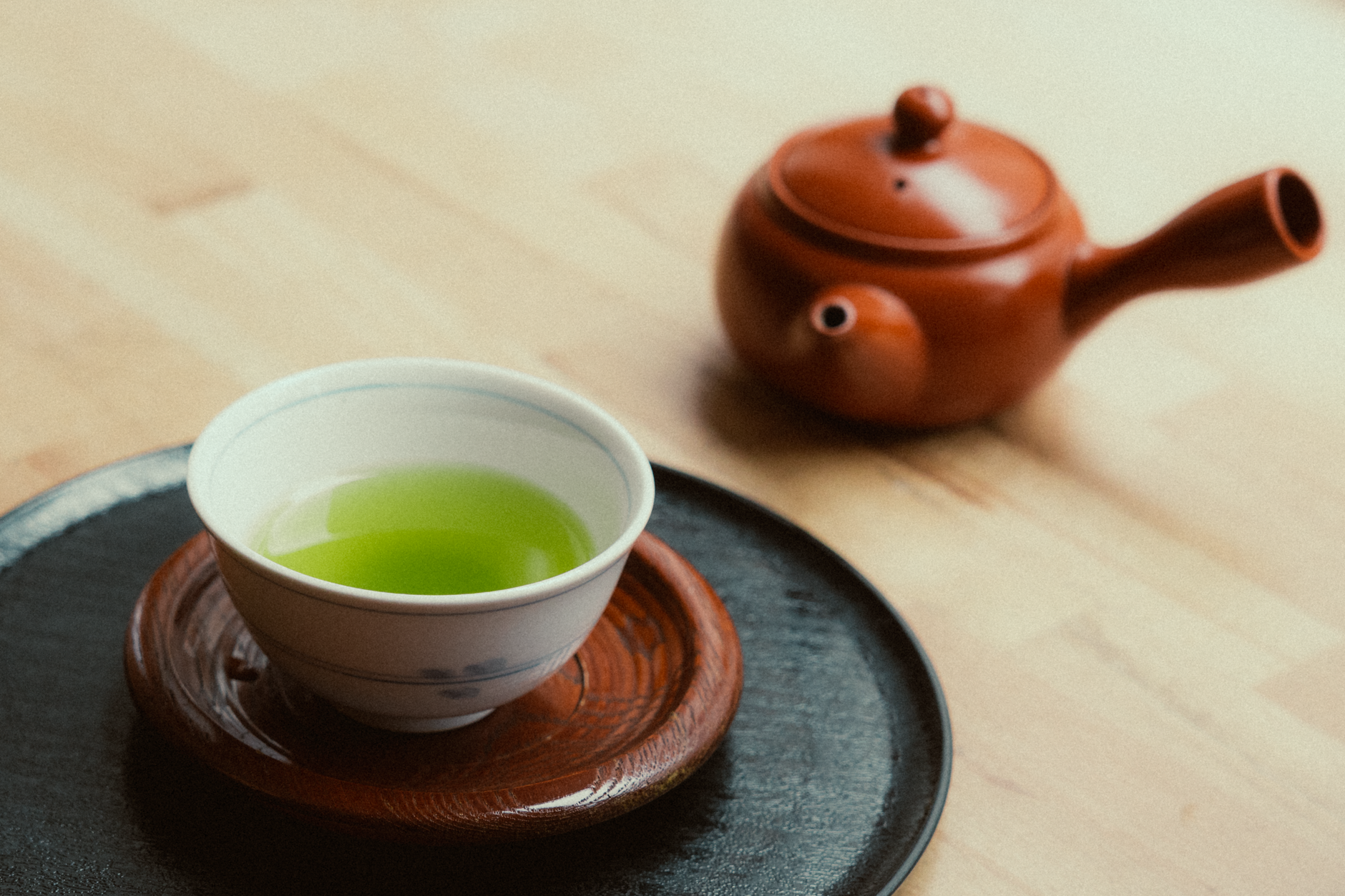
Green tea is celebrated for its delicate flavor, vibrant color, and numerous health benefits. One common question surrounding this popular beverage is its caffeine content. For many enthusiasts, understanding how green tea fits into daily caffeine intake is essential for making informed choices.
This article explores the caffeine content of green tea, offers insights on its effects, and provides practical tips for enjoying this beverage while managing your caffeine consumption.
Does Green Tea Have Caffeine?
Yes, green tea does contain caffeine. The amount can vary depending on the type of green tea and the brewing method used, but it typically ranges from about 20 to 45 milligrams per 8-ounce serving. This is significantly less than the caffeine content found in coffee, making it a favored choice for those looking for a milder energy boost.
Understanding the details of green tea’s caffeine content can help you better manage your intake and enjoy this flavorful beverage in a way that suits your lifestyle.
Understanding Caffeine in Green Tea
Caffeine is a naturally occurring stimulant found in various plants, including tea leaves. In green tea, it works together with other compounds to contribute to its unique flavor profile and potential health benefits.
Here are some key aspects of caffeine in green tea:
- Type of Green Tea: Different varieties and blends of green tea contain varying amounts of caffeine. For instance, matcha contains significantly more caffeine due to the nature of its preparation.
- Brewing Time and Temperature: The amount of caffeine released into the tea can increase with longer steeping times and hotter water temperatures.
- Processing Methods: The way green tea is processed can also affect its caffeine levels. Smooth, less oxidized teas tend to have less caffeine than their more oxidized counterparts.
Caffeine Content Comparison
| Type of Tea | Caffeine Content (per 8 oz) |
|---|---|
| Green Tea | 20-45 mg |
| Black Tea | 40-70 mg |
| Oolong Tea | 30-50 mg |
| Coffee | 95-200 mg |
| Decaf Coffee | 2-5 mg |
Factors Affecting Caffeine Levels in Green Tea
While it is generally accepted that green tea contains caffeine, several factors influence the actual caffeine content in the cup you drink. Understanding these factors can help guide your choices when selecting and brewing green tea.
1. Type of Green Tea
There are numerous types of green tea available, each differing in taste and caffeine levels. Popular varieties include:
- Sencha: This is one of the most common types of green tea and contains about 20-30 mg of caffeine per serving.
- matcha: Because matcha consists of powdered whole tea leaves, it boasts higher caffeine content, averaging around 70 mg per serving.
- Gyokuro: This high-quality Japanese green tea has a rich flavor and higher caffeine levels, with about 30-50 mg per serving.
2. Brewing Time and Temperature
The way you brew your green tea can also impact caffeine levels. A longer steeping time or higher temperature typically extracts more caffeine:
- Short Steep (1-2 minutes): Produces a lighter cup with less caffeine.
- Medium Steep (3-4 minutes): Balances flavor and caffeine content.
- Long Steep (5+ minutes): Yields a richer flavor but increases caffeine extraction.
3. Leaf Size and Grind
Teas that are ground into finer particles, like matcha or powdered green teas, tend to release more caffeine than whole leaf teas. When consuming matcha, you ingest the entire leaf, which provides a more robust caffeine experience.
Effects of Caffeine in Green Tea
The caffeine in green tea can have various effects on the body, which differ from those experienced with coffee. Here’s what you might expect:
- Enhanced Alertness: Caffeine increases alertness and concentration, making green tea a suitable choice for studying or working.
- Lower Caffeine Jitters: Many people report experiencing fewer jittery effects from green tea than from coffee due to the presence of L-theanine, an amino acid that promotes relaxation.
- Sustained Energy: The caffeine in green tea may provide a more stable energy boost compared to the quick spike and subsequent crash commonly associated with coffee.
Caffeine Sensitivity and Consumption Tips
Understanding your own sensitivity to caffeine is important when enjoying green tea. Here are some practical tips to help manage your intake:
1. Monitor Your Daily Caffeine Intake
Keep track of how much caffeine you consume from all sources, including coffee, tea, chocolate, and energy drinks. The FDA suggests that up to 400 mg of caffeine per day is generally considered safe for most adults.
2. Choose the Right Type of Green Tea
If you are more sensitive to caffeine, consider selecting lower-caffeine types such as Sencha or perform a long infusion of a less oxidized green tea. If you find energy from caffeine helpful for your day, opt for matcha or Gyokuro for a bigger boost.
3. Adjust Brewing Variables
Experiment with your brewing time and temperature to find the conditions that work best for you. A short steep in cooler water will yield a lower caffeine content and a milder flavor.
4. Consider Decaffeinated Options
If you desire the flavor of green tea without the caffeine, look for decaffeinated green tea varieties. These teas undergo a process to remove most of the caffeine while retaining their flavor and beneficial nutrients.
Potential Benefits of Green Tea Consumption
Beyond caffeine, green tea is known for a range of potential benefits due to its antioxidant content and other beneficial compounds:
- Antioxidants: Green tea is rich in catechins, which may help combat oxidative stress in the body.
- Weight Management: Some studies suggest that green tea can enhance metabolism, which might support weight management efforts.
- Heart Health: Regular consumption of green tea may be linked to improved cardiovascular health due to its positive effects on cholesterol levels and blood pressure.
Common Misconceptions about Green Tea and Caffeine
As green tea continues to grow in popularity, so do misunderstandings about its caffeine content. Here are a few common myths debunked:
Myth 1: All Green Teas Have the Same Caffeine Content
As previously discussed, different types and brewing methods significantly affect green tea’s caffeine levels. Not all green teas are equal when it comes to caffeine!
Myth 2: Green Tea Is Completely Caffeine-Free
While some decaffeinated green teas exist, regular green tea does contain caffeine, albeit at lower levels than coffee. It is important for consumers to recognize this if they are sensitive to caffeine.
Myth 3: Green Tea Will Keep You Awake at Night
In moderation, green tea is less likely to disrupt sleep compared to coffee due to the balancing effects of L-theanine. Enjoying green tea earlier in the day can prevent interference with sleep patterns.
How to Enjoy Green Tea
Green tea can be enjoyed in various ways, allowing you to savor its unique flavors and benefits. Here are some suggestions on how to incorporate green tea into your routine:
1. Traditional Brewing
For a classic experience, brew green tea leaves in hot water. Here’s a simple brewing guide:
- Water Temperature: Aim for 160-180°F (71-82°C) for most green teas.
- Steeping Time: Allow the leaves to steep for 1-3 minutes based on the desired strength.
2. Iced Green Tea
For a refreshing iced green tea:
- Brew your tea as normal, using a higher leaf-to-water ratio for a more concentrated flavor.
- Cool the tea and serve over ice, adding lemon or mint for an extra flavor boost.
3. Green Tea Smoothies
Add brewed and cooled green tea to smoothies for an energizing boost. Combine with fruits such as bananas, berries, or even some spinach for added nutrients without overwhelming flavors.
4. Matcha Lattes
For a creamier option, consider making a matcha latte:
- Whisk 1-2 teaspoons of matcha powder with 1-2 ounces of hot water until frothy.
- Steam your choice of milk and combine with the matcha mixture.
Conclusion
Green tea does contain caffeine, typically ranging from 20 to 45 mg per serving, which is suitable for those looking for a lighter boost rather than the jolt provided by coffee. Factors such as the type of green tea, brewing methods, and individual sensitivity play significant roles in how caffeine affects each person.
Understanding green tea’s caffeine content can help you enjoy its flavor and potential benefits without exceeding your desired caffeine intake. Experiment with different types, brewing techniques, and preparations to discover your favorite way to enjoy this versatile beverage.
For additional tips on enhancing your tea experience, explore our vanilla matcha latte recipe and a unique cardamom tea recipe for a delightful twist.