
There’s something magical about the rich aroma of fermenting grains that takes you back to simpler times, isn’t there? The process of making a rum mash is a unique blend of science and art, resulting in a spirited beverage that speaks to the heart of craftsmanship.
This recipe is not just about creating a drink; it’s about engaging with the ingredients and savoring the transformation from grain to glass. With its delightful sweetness and complex flavors, this mash offers a delightful base for your homemade rum adventures.
Why You’ll Love This Recipe
This rum mash recipe is a fantastic way to explore home distilling.
- Rich flavor from natural fermentation.
- Customizable with different grains.
- Great for sharing with friends.
- Perfect for beginners and experienced brewers alike.
My Experience Making This Recipe
When I first attempted this rum mash, I was pleasantly surprised by how straightforward the process was. The scent of the fermenting grain filled my kitchen, and I felt like a true artisan.
As the mash bubbled away, I couldn’t help but feel a sense of pride. Each step brought me closer to that first sip, and the anticipation was palpable. Friends were amazed when I finally shared the finished product.
Recipe Overview
- Recipe Name: Rum Mash
- Servings: Approximately 1 gallon
- Prep Time: 30 minutes
- Cook Time: 1 hour
- Total Time: 24 hours (including fermentation)
- Course: Beverage
- Cuisine: Caribbean
- Calories per Serving: Variable
Equipment You Will Need
- Large pot
- Fermentation vessel
- Hydrometer
- Stirring spoon
- Strainer or cheesecloth
- Bottles for storing the mash
Ingredients for Rum Mash
- 5 pounds of crushed sugar cane or molasses
- 5 gallons of water
- 2 pounds of malted barley
- 1 packet of yeast (preferably distillers yeast)
- 1 cup of corn (optional, for sweetness)
Ingredient Notes and Substitutions
- Crushed sugar cane or molasses: Provides the sweetness and fermentable sugars. You can substitute with brown sugar if needed.
- Malted barley: Adds flavor and helps with fermentation. You can use other grains like corn or rye for different flavors.
- Yeast: Essential for fermentation. Any brewing yeast can work, but distillers yeast is best for higher alcohol content.
How to Make Rum Mash
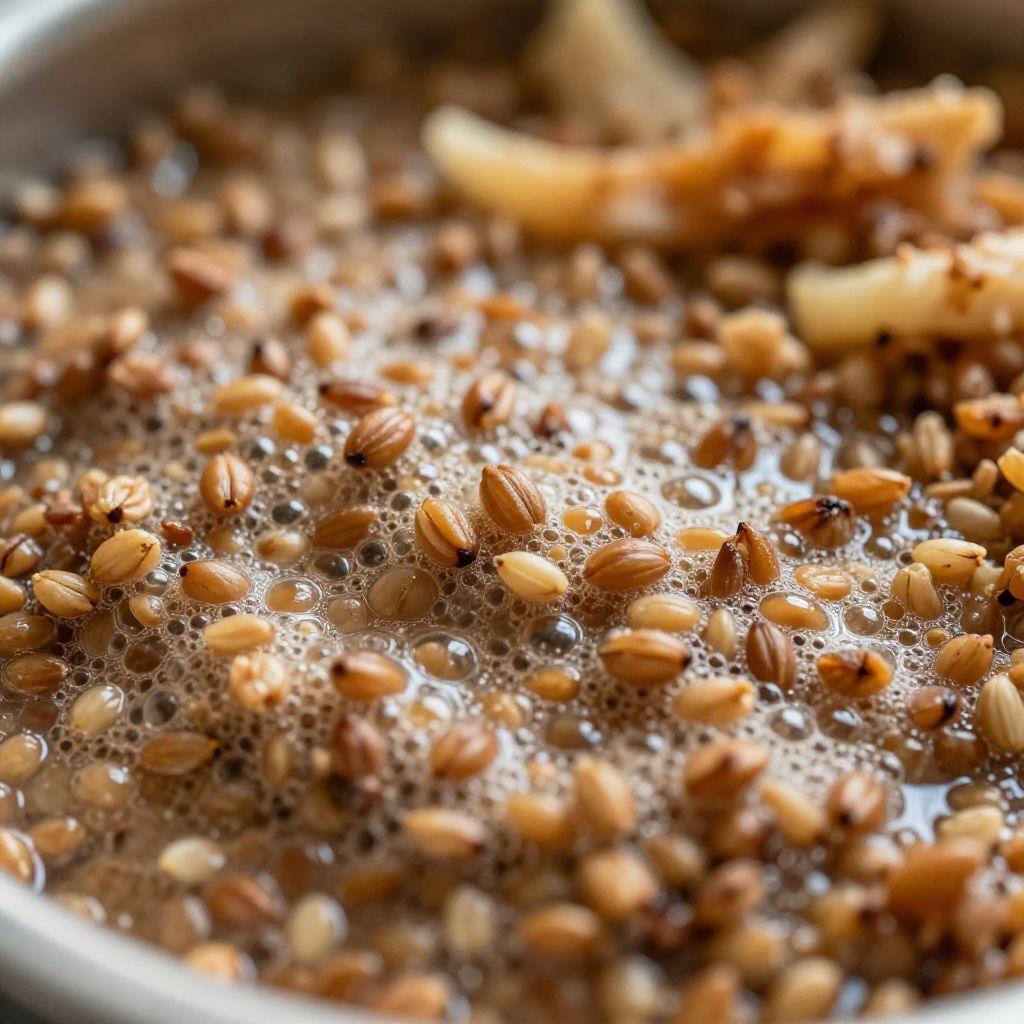
Step 1: Prepare the Water
Start by heating 5 gallons of water in a large pot. This helps dissolve the sugars and activate the enzymes in the grains.
Step 2: Add the Sugar Cane or Molasses
Once the water is warm, stir in the crushed sugar cane or molasses. This will create a sweet base for fermentation.
Step 3: Incorporate the Malted Barley
Add the malted barley to the mixture and stir well. The enzymes in the barley convert starches into sugars, which are vital for fermentation.
Step 4: Cool the Mixture
Allow the mixture to cool to around 70°F (21°C). Yeast thrives at this temperature, ensuring optimal fermentation.
Step 5: Add Yeast
Once cooled, sprinkle the yeast over the mixture and stir gently. This introduces the microorganisms needed for fermentation.
Step 6: Ferment the Mash
Transfer the mash to a fermentation vessel and cover it loosely with a cloth. This allows gases to escape while preventing contaminants from entering.
Step 7: Monitor the Fermentation
Let the mixture sit for about 24 hours, stirring occasionally. You will notice bubbling as the yeast consumes the sugars, producing alcohol.
Step 8: Strain and Store
After fermentation, strain the mash using a strainer or cheesecloth. This separates the liquid from the solids, leaving you with a sweet, potent base for distilling.
Pro Tip: Make sure to maintain a clean workspace and sanitize all equipment to avoid unwanted bacteria in your mash.
Tips for the Best Rum Mash
- Use fresh ingredients for the best flavors.
- Monitor temperatures closely during the process.
- Experiment with different grains for unique flavors.
- Keep the mash in a warm, dark place for optimal fermentation.
- Be patient; good things take time, especially fermentation.
Common Mistakes to Avoid
- Not sanitizing equipment can lead to contamination.
- Using water that is too hot can kill the yeast.
- Skipping the cooling step can affect fermentation.
- Using old or expired yeast can hinder the fermentation process.
Serving Suggestions
Once your rum mash is ready, it’s perfect for mixing or sipping. You can enjoy it neat or use it as a base for cocktails.
- Mix with tonic water for a refreshing drink.
- Pair it with citrus juices for a zesty cocktail.
- Use it in a classic rum and coke.
- Enjoy it in a rum sour for a balanced flavor.
Variations to Try
- Try adding spices like cinnamon for a warm flavor profile.
- Incorporate fruit, such as pineapple, for a tropical twist.
- Experiment with different types of sugar for varying sweetness.
- Use honey instead of sugar for a floral note.
Dietary Adaptations
- Gluten-free: Use gluten-free grains like corn or rice.
- Dairy-free: This recipe is naturally dairy-free.
- Vegan: All ingredients are plant-based.
- Low-carb/keto: Substitute sugar with erythritol for a low-carb version.
Storage and Reheating
Refrigerator
Store the rum mash in a sealed container in the refrigerator for up to two weeks.
- Use glass bottles for storage.
- Label the bottles with the date for reference.
Freezer
You can freeze the mash, but it may alter the texture slightly.
- Freeze in smaller portions for convenience.
- Leave space in containers to allow for expansion.
Reheating
When ready to use, gently thaw and reheat the mash on low heat.
- Stir frequently to avoid scorching.
- Ensure it cools to a safe temperature before consumption.
Nutrition Information
| Nutrient | Amount |
|---|---|
| Calories | Varies |
| Total Fat | 0g |
| Saturated Fat | 0g |
| Carbohydrates | Varies |
| Fiber | 0g |
| Sugar | Varies |
| Protein | Varies |
| Sodium | 0mg |
| Cholesterol | 0mg |
This nutrition information is approximate and can vary based on specific ingredients and serving sizes.
Frequently Asked Questions
Can I use different grains for the rum mash?
Yes, you can substitute grains like corn or rye to change the flavor profile.
How long can I store the mash?
Stored properly, the mash can last in the refrigerator for about two weeks.
What should I do if my mash doesn’t ferment?
If fermentation does not occur, check the yeast’s expiration date and the temperature of the mash.
Can I make this mash ahead of time?
Absolutely! You can prepare the mash a few days in advance and store it in the fridge.
Is this rum mash suitable for beginners?
Definitely! The process is straightforward and forgiving, making it ideal for newcomers.
Final Thoughts
Making your own rum mash is an adventure that brings the joy of brewing into your home. Each batch offers a chance to experiment and refine your skills.
So gather your ingredients and let the magic happen. You may just find your new favorite hobby!
If you’re interested in further exploring the world of cocktails, check out this rum sour recipe or mix it up with a classic rum and coke recipe.
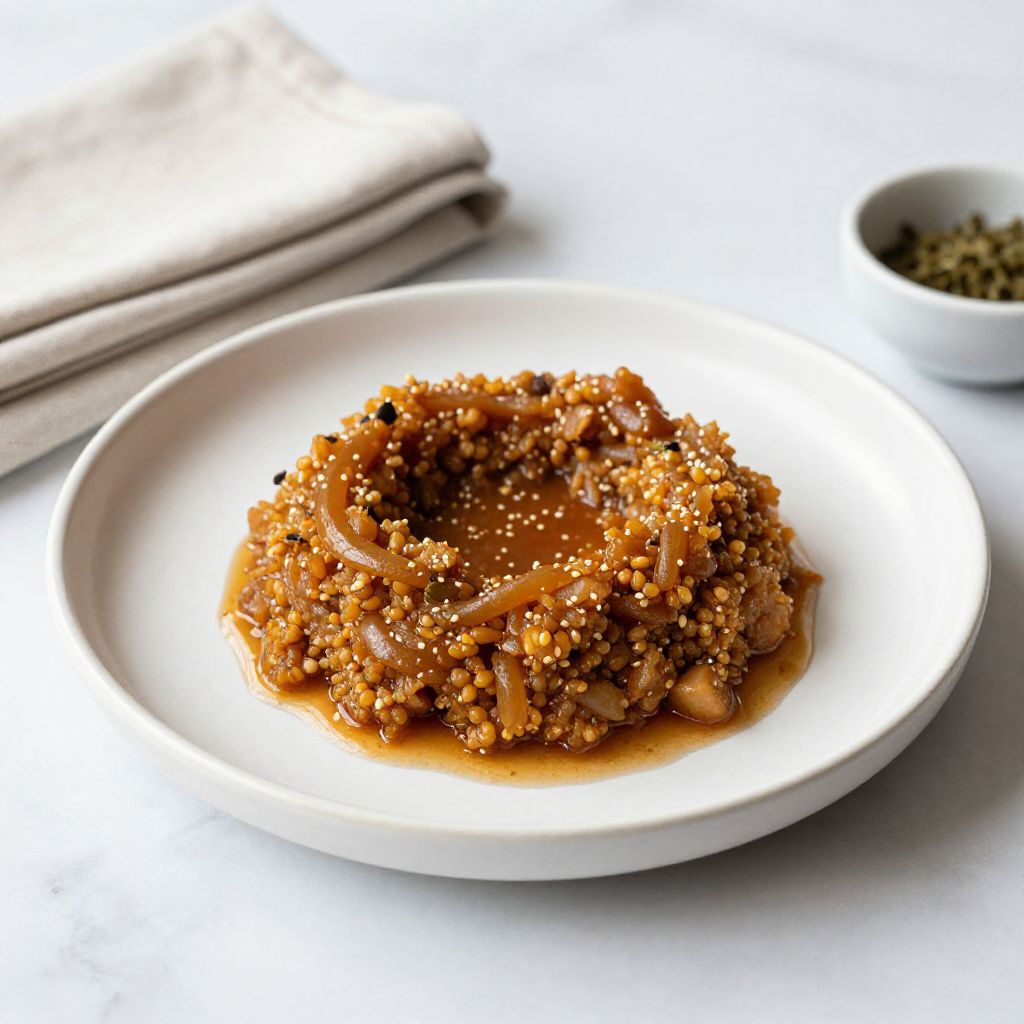
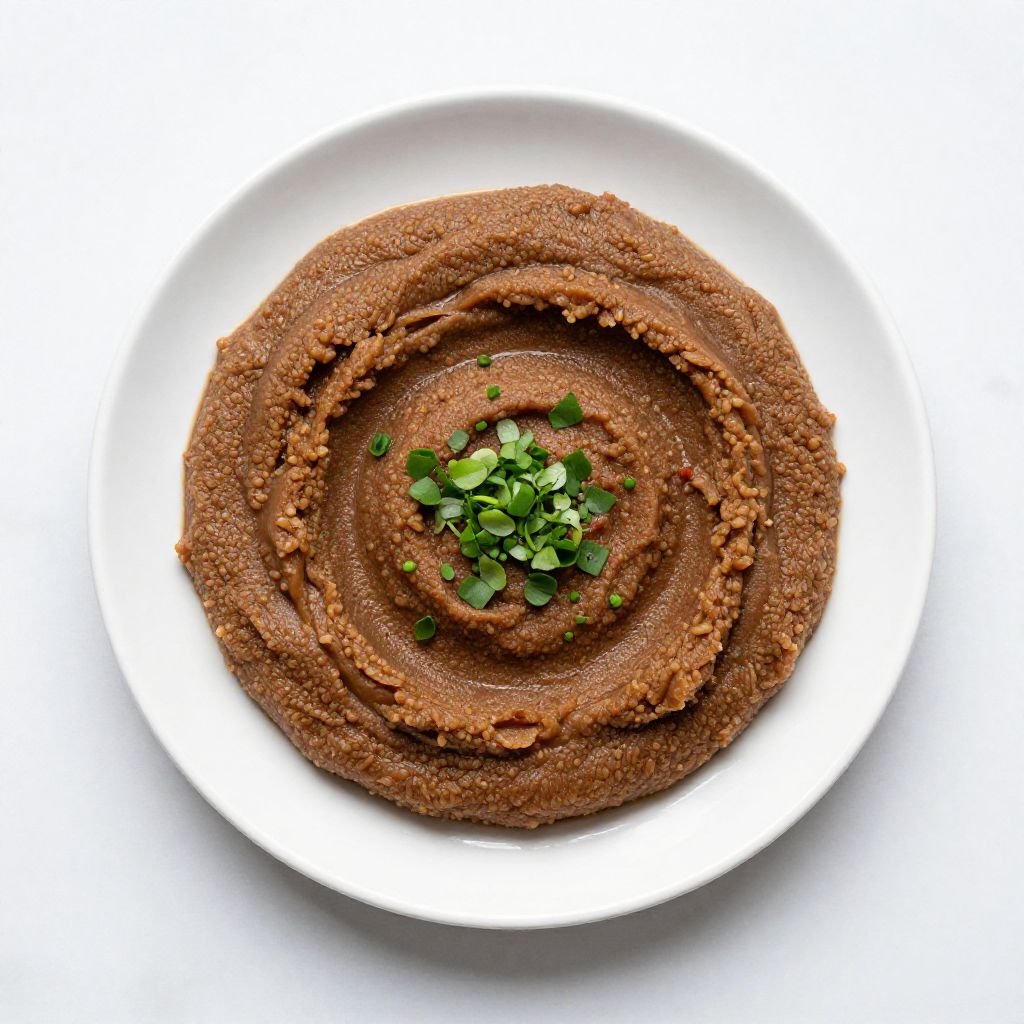
Rum Mash
Ingredients
Equipment
Method
- Heat 5 gallons of water in a large pot over medium heat until it reaches 160°F (71°C), about 15 minutes.
- Stir in 5 pounds of crushed sugar cane or molasses until fully dissolved, about 5 minutes.
- Add 2 pounds of malted barley and stir continuously for 10 minutes to activate enzymes.
- Remove the pot from heat and cool the mixture to 70°F (21°C), using an ice bath or natural cooling, about 20 minutes.
- Sprinkle 1 packet of yeast over the cooled mixture and stir gently for 2 minutes to distribute.
- Transfer the mash to a sanitized fermentation vessel and cover loosely, fermenting at 70°F (21°C) for 24 hours.
- Stir the fermenting mash occasionally during the 24-hour fermentation period to promote even yeast activity.
- After fermentation is complete, strain the mash through a strainer or cheesecloth into clean bottles, about 10 minutes.